The Perfect Chocolate Lava Cake: A Step-by-Step Guide

A creamy chocolate pudding served on a white plate next to a cup of hot tea

A perfect homemade chocolate lava cake has set edges and a warm, molten center that flows when you cut into it. This recipe for chocolate lava cake relies on precise timing and a high-quality dark chocolate bar for smooth texture and deep flavor. Follow the steps below to bake consistent, restaurant-worthy molten cakes at home.

A dessert with a molten center and unforgettable flavor

Few desserts create the same instant excitement as a chocolate lava cake. When the edges lift cleanly from the ramekin, and the center spills out like warm ganache, it feels both dramatic and effortless. The good news is you can achieve that result at home with a simple method, careful timing, and the right chocolate. 

Using a premium dark chocolate bar makes a noticeable difference in flavor and in how smoothly the batter comes together, as well as in the silky texture of the center. In this guide, you’ll get a reliable recipe for chocolate lava cake, plus step-by-step instructions, flavor variations, and practical tips for a molten center every time.

What is a chocolate lava cake?

A chocolate lava cake is a small, individually baked cake with a set exterior and a soft, molten interior. Unlike a fully baked cake, it relies on a short bake time and a rich batter to keep the center glossy and fluid. The “lava” effect comes from three main factors: how well you prepare the ramekins, how gently you melt and mix the chocolate, and how precisely you bake.

Chocolate quality matters because it affects everything from texture to flavor. A high-quality dark chocolate bar melts smoothly, blends cleanly with butter and eggs, and delivers deeper chocolate notes without relying on excess sugar. In a dessert this simple, the chocolate’s character is evident in every bite.

Lava cake success hinges on controlling heat and timing — small adjustments can separate a molten center from an overbaked one.
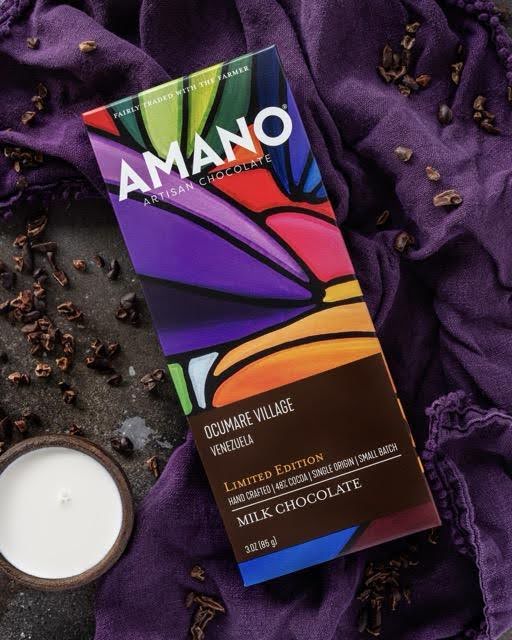
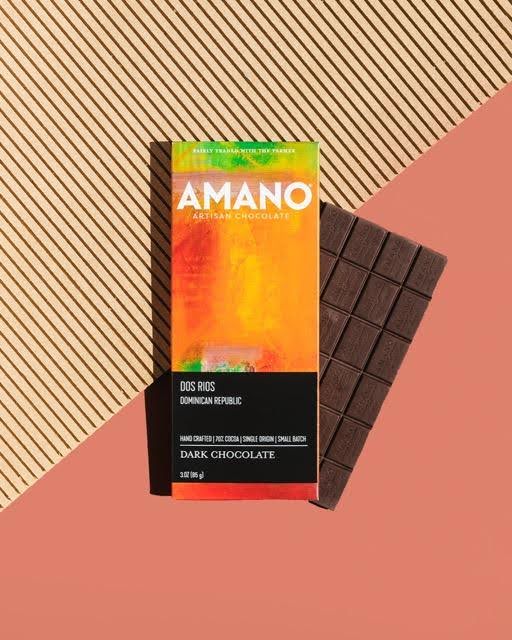
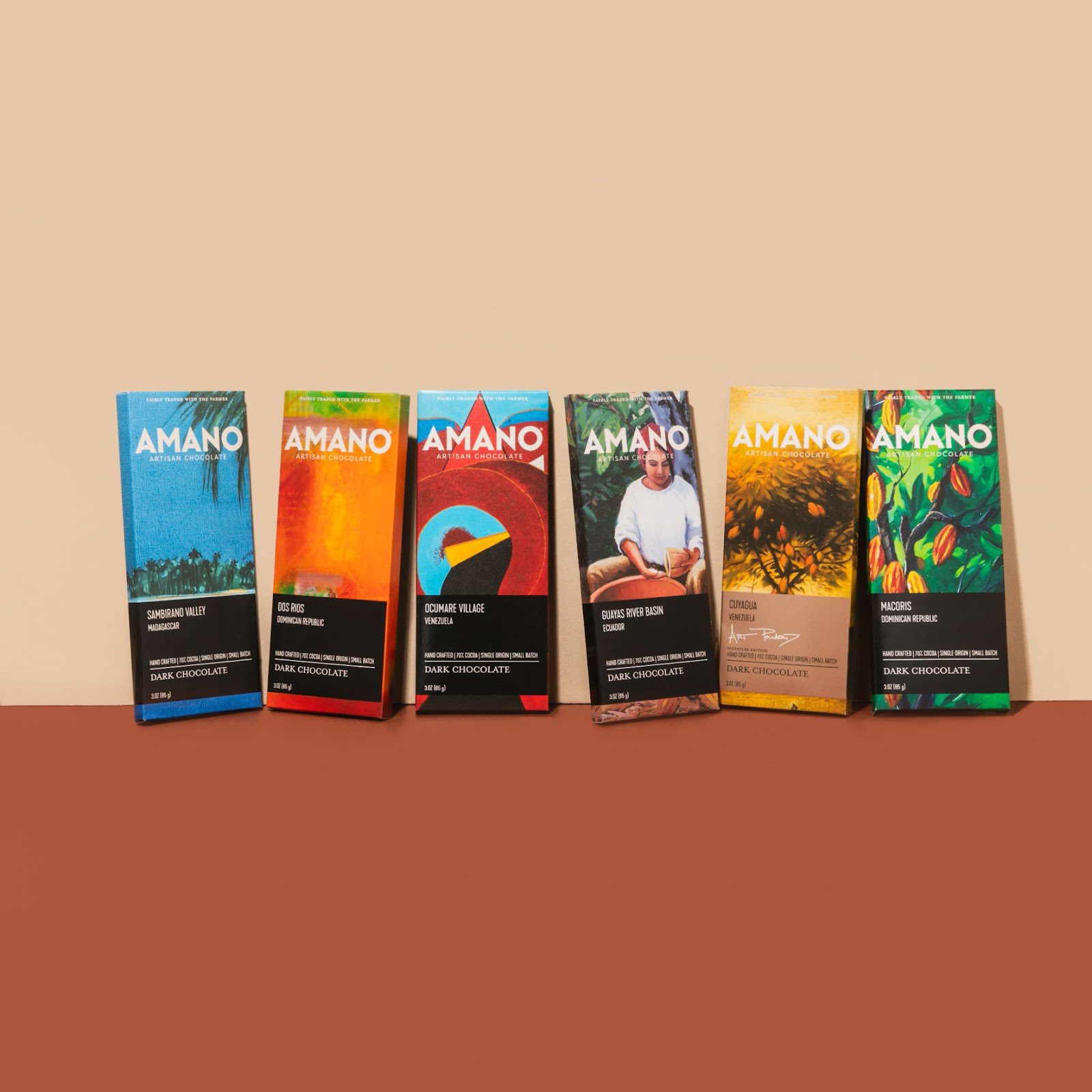
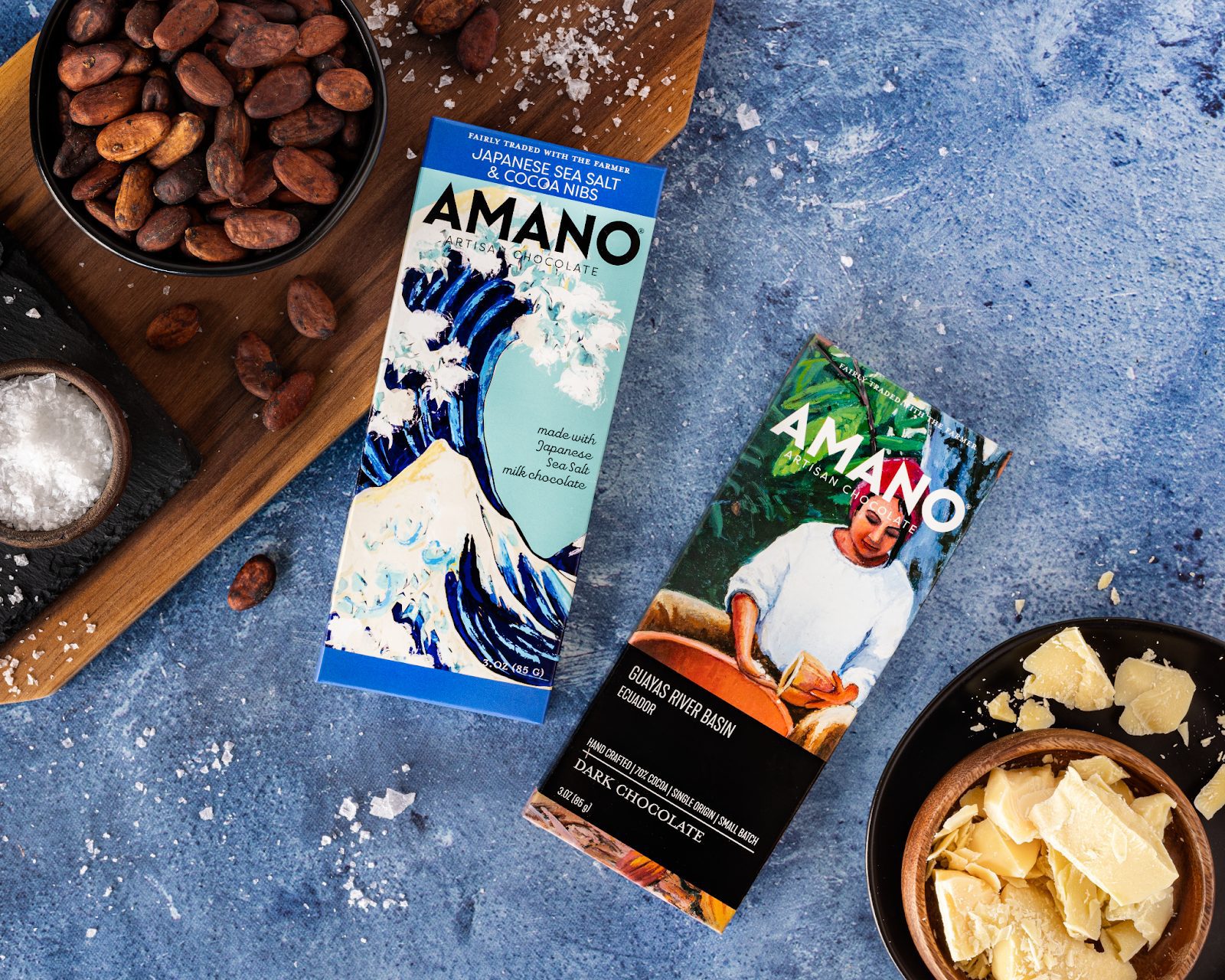
Organic dark chocolate bar by Amano featuring rich cocoa packaging with elegant design and branding

Step-by-step guide to the perfect homemade chocolate lava cake

This is a reliable chocolate lava cake recipe crafted for consistency and elegance. Preparation is simple, with the magic happening in the oven — bake long enough to set the edges while allowing the center to remain luxuriously soft and fluid.

Amano dark chocolate molten lava cakes

A dessert that delivers drama, depth, and pure indulgence.

These molten cakes are crisp on the edges, silky at the center, and infused with the nuanced flavors that make Amano chocolate unforgettable. Using Amano Guayas, Ocumare, or Dos Rios provides different flavor profiles — from earthy and bold to bright and floral.

Yield:
Serves 6
Prep time: 15 minutes
Bake time: 11–13 minutes

Ingredients

  • 6 oz or 2 bars Amano dark chocolate (60–70%, bar or wafers), finely chopped
  • ½ cup (1 stick) unsalted butter, plus extra for greasing
  • 2 large eggs
  • 2 large egg yolks
  • ¼ cup granulated sugar
  • 1 tsp pure vanilla extract
  • ⅛ tsp sea salt
  • 2 tbsp all-purpose flour (or sifted almond flour for a gluten-free option)
  • Optional toppings: powdered sugar, whipped cream, fresh berries, or a scoop of vanilla bean ice cream

Instructions

  1. Prepare the ramekins
    Butter six small ramekins (six-ounce size) and lightly dust with cocoa powder. Set aside on a baking sheet.
  2. Melt the chocolate and butter
    In a heatproof bowl set over a pot of gently simmering water (double boiler), melt the Amano chocolate and butter together. Stir until smooth and glossy. Remove from heat and let cool slightly.
  3. Make the batter
    In a separate bowl, whisk together the eggs, egg yolks, sugar, vanilla, and salt until the mixture is light and slightly foamy (about two minutes). Slowly whisk in the cooled chocolate mixture until it is well combined.
  4. Add flour
    Gently fold in the flour until the batter is smooth and thick. Don’t overmix.
  5. Fill and bake
    Divide batter evenly among prepared ramekins. Bake at 425°F (218°C) for 11–13 minutes — set the edges while keeping the centers slightly jiggly. Do not overbake if you want that molten center.
  6. Serve immediately
    Let cakes sit for one minute. Carefully run a knife around the edges and invert onto serving plates. Dust with powdered sugar or top with berries and a spoonful of ice cream for extra indulgence.

Why these steps work

  • Ramekin prep: helps the cakes release cleanly and keeps the edges crisp.
  • Gentle melting: preserves a glossy texture and helps the batter emulsify.
  • Whisking eggs and sugar: helps build structure, allowing the cake to hold its shape.
  • Light folding: keeps the crumb tender.
  • Short bake time: is what creates the molten center.

Optional flavor twists

  • Espresso Lava: Add 1 tsp instant espresso powder to the batter to amplify the chocolate notes.
  • Citrus & Floral: Use Amano Dos Rios and garnish with candied orange peel and dried edible flowers.
  • Salted Caramel Core: Freeze spoonfuls of caramel sauce ahead of time and place in the center of each ramekin before baking for a dual-layer lava effect.

The perfect time to serve

A homemade chocolate lava cake suits nearly any occasion, as it feels elevated while remaining simple to execute.

  • Dinner party finale: Bake after the main course and plate each cake with berries to balance the richness.
  • Date-night dessert: Add vanilla bean ice cream for contrast and a little extra drama as it melts into the center.
  • Make-ahead hosting win: Prep ramekins in advance and chill the batter up to 24 hours so you can bake fresh right before serving.

Benefits of mastering homemade chocolate lava cake

Learning to bake a consistent chocolate lava cake gives you a go-to dessert that feels special without being fussy.

  • Creates a restaurant-quality dessert at home with minimal ingredients
  • Delivers a molten center that impresses every time
  • Works for holidays, celebrations, and last-minute cravings
  • Scales easily for small gatherings
  • Highlights the depth and nuance of a premium dark chocolate bar

Common mistakes to avoid

If your first attempt doesn’t come out perfectly, don’t worry — most issues come from a few avoidable missteps.

  • Overbaking: The most common reason the center isn’t molten
  • Skipping greasing and cocoa dusting: Leads to sticking and broken cakes
  • Overheating chocolate: Creates a grainy texture
  • Overmixing after adding flour: Makes the cakes denser and less tender
  • Using inconsistent ramekin sizes: Causes uneven baking
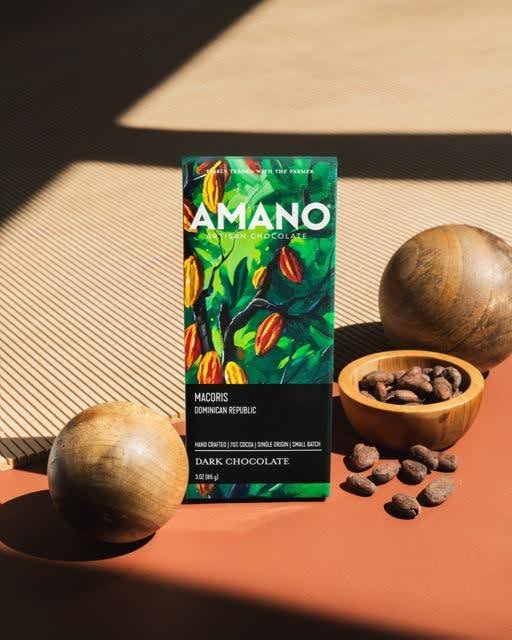
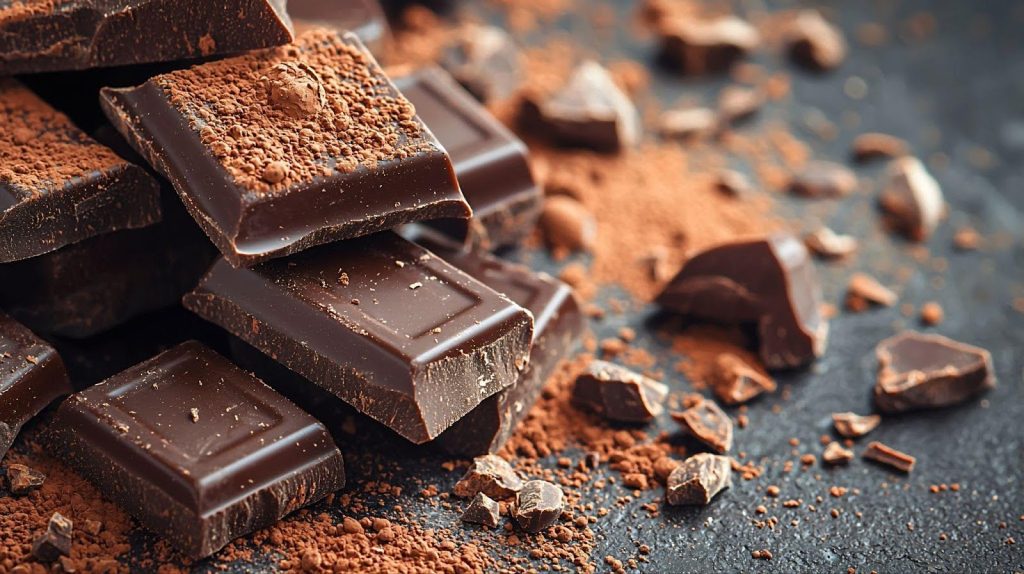
  • Unmolding too aggressively: A short rest and a gentle knife pass help protect the shapeA close-up of an Amano dark chocolate bar showcasing its sleek packaging and rich dark surface

Insights into making the perfect chocolate lava cakes

Use these quick benchmarks to stay consistent, especially if your oven tends to run hot or cool.

  • Bake time range: 11–13 minutes at 425°F (ramekins about 6 oz)
  • Visual cue: edges set, center still jiggly
  • Make-ahead bake adjustment: +1–2 minutes straight from the fridge
  • Chocolate percentage: 60–70% supports both structure and a rich molten flow

You don’t need specialty equipment, but the right basics will help you nail the timing and presentation.

  • 6 (6-oz) ramekins
  • Fine mesh sifter (for cocoa powder dusting)
  • Heatproof bowl + small pot (double boiler)
  • Whisk + silicone spatula
  • Baking sheet (for stability and easy transfer)
  • Instant-read thermometer (optional for verifying oven temp)
  • A high-quality dark chocolate bar (60–70%) for the best melt and flavor

FAQs

How do I know when a chocolate lava cake is done?

Watch for set edges and a center that still jiggles slightly when you tap the baking sheet. Pulling the cakes early preserves the molten center, which is the whole point of a great chocolate lava cake.

Can I prepare this chocolate lava cake recipe ahead of time?

Yes. Fill ramekins, cover them, and chill for up to 24 hours. Bake straight from the fridge and add 1–2 minutes to the cooking time. This recipe for chocolate lava cake is ideal for entertaining, as you can prepare everything in advance.

What chocolate works best for lava cake?

Choose a 60–70% cacao dark chocolate bar for balanced sweetness and a smooth melt. Higher cacao can taste more intense and may firm up faster if you overbake.

Why did my lava cake stick to the ramekin?

Most sticking comes from uneven greasing or skipping cocoa dusting. Coat the ramekins well, run a knife around the edge, and invert confidently after a brief one-minute rest.

Bring chocolate magic to your table with Amano Chocolate

A perfect chocolate lava cake comes down to quality chocolate, gentle mixing, and confident timing. When you follow this recipe for chocolate lava cake, you’ll get crisp edges, a silky molten center, and a dessert that feels elevated without extra effort. For the richest flavor and smoothest melt, start with an Amano dark chocolate bar and let the single-origin cacao do the work.

Ready to bake your next batch? Shop Amano chocolate and stock your kitchen with bars made for desserts that impress. For this recipe, try Amano Ocumare for a balanced, classic profile, or Amano Dos Rios for a brighter, more floral finish in the molten center.

Craft the Perfect New Year’s Celebration Dessert: Artisan Chocolate Champagne Mousse

A bowl of rich chocolate ice cream with a silver spoon resting beside it

New Year’s Eve calls for a dessert that feels as special as the moment itself. No matter your New Year’s plans, the right dessert can elevate the occasion to make it feel truly magical. This year, that special dessert is a sophisticated twist on a classic: Chocolate Champagne Mousse, made with a premium dark chocolate bar and the bright lift of sparkling wine.

The combination of Champagne and artisan chocolate creates an irresistibly refined balance. Rich chocolate brings depth and warmth, while crisp bubbles add freshness and lightness. Together, they transform a familiar favorite into a showstopping centerpiece fit for a midnight toast. 

As you’ll see in the recipe below, crafting a perfect chocolate mousse doesn’t require complexity. Only quality ingredients, careful technique, and a touch of celebration.

Why artisan chocolate transforms this dessert

When chocolate is the star of a dessert, its quality shapes everything — from texture to aroma to the lingering finish. Using artisan chocolate ensures your mousse achieves smooth, intense flavor, making each bite feel luxurious. 

A premium chocolate bar contains nuanced notes you simply won’t find in mass-produced chocolate. Depending on origin, you might taste fruit, spice, floral hints, or toasted nut undertones. These flavors layer beautifully with Champagne’s lively acidity, creating dimension throughout the mousse.

Chocolate mousse relies on only a handful of ingredients; selecting the right chocolate can make or break the entire dessert.

An Amano chocolate bar displayed on a wooden surface highlighting its smooth surface and branding

Why chocolate and Champagne are the perfect pair

At first glance, chocolate and Champagne may seem like an unexpected combination, but together they create a beautifully balanced flavor experience. A dark chocolate bar provides richness and intensity, while Champagne brings bright citrusy flavors. When folded in, the sparkling wine softens the chocolate’s density and introduces a refreshing finish.

This combination mirrors the experience of a New Year’s celebration — lively, indulgent, and a bit glamorous. By blending two iconic flavors, you create a dessert that becomes part of the evening’s atmosphere, rather than an afterthought.

Recipe: Chocolate Champagne Mousse with Gold Flakes

This luxurious, airy dessert is perfect for a midnight toast or a festive dinner. This dessert highlights the rich flavor of Amano’s dark chocolate bar, complemented by the crisp effervescence of dry Champagne or sparkling wine.

Ingredients

  • 6 oz / 2 bars of Amano dark chocolate (Macoris or El Cayo recommended), chopped
  • 3 large eggs, separated
  • ¼ cup sugar
  • ¼ cup dry Champagne or brut sparkling wine
  • ¾ cup heavy cream
  • Edible gold leaf or flakes (optional)

Instructions

  1. Melt chocolate in a heatproof bowl set over a pot of simmering water. Remove from heat and let cool slightly.
  2. Whisk in egg yolks and Champagne until smooth.
  3. In another bowl, whip cream to soft peaks.
  4. In a third bowl, beat egg whites until foamy. Slowly add sugar and continue beating until soft peaks form.
  5. Fold the whipped cream into the chocolate mixture, then gently fold in the meringue.
  6. Spoon into coupe glasses or chilled ramekins. Refrigerate for at least 2 hours.
  7. Garnish with gold leaf, shaved chocolate, or a single fresh berry before serving.

Tips for perfecting your chocolate mousse

Small details make a big difference when crafting a chocolate mousse. This dessert relies on a few ingredients, and every step shapes its final texture and flavor. With a bit of care and attention, you can transform a simple mixture into a light, luxurious mousse that tastes worthy of a celebration. Here are a few ways to ensure your dessert truly shines:

Use a high-quality dark chocolate bar

Chocolate is the primary flavor, so you don’t want a bar that can’t stand on its own. Choose a premium bar with a strong cocoa flavor. Amano’s dark chocolate bar melts smoothly, ensuring the mousse develops a velvety texture and rich taste.

Mind your temperatures

Allow your melted chocolate to cool slightly before adding egg yolks to prevent cooked eggs. Cold cream whips better and holds its structure longer.

Fold gently

The mousse’s signature airiness comes from the whipped cream and meringue. Overmixing deflates these components, resulting in a dense mousse.

Balance your flavors

If you prefer a stronger chocolate profile, add an extra ounce of your chocolate bar. If you want a more pronounced Champagne note, select a brut with bright citrus character.

Presentation ideas to elevate your New Year’s table

A beautiful dessert enhances the celebration as much as the flavor does. Consider these ideas for styling your dessert:

Serve in coupe or martini glasses

The shape showcases the mousse’s smooth texture, giving the dessert a vintage, glamorous feel.

Add gold accents

Edible gold flakes reflect candlelight and Champagne bubbles — a perfect nod to the New Year’s sparkle.

Use chocolate garnishes

Shave curls from an Amano dark chocolate bar to add visual appeal and a hint of texture with each bite.

Pair with a Champagne splash

Serving a small pour of the same Champagne used in the recipe creates cohesion between dessert and drink.

A beautifully wrapped Amano dark chocolate bar emphasizing its deep brown color and premium quality

Choosing the right artisan chocolate for your mousse

Not all chocolate behaves the same in recipes. For the best results, choose an artisan chocolate known for its purity and flavor clarity. Amano’s artisan chocolate bars are ideal for chocolate mousse because they offer balanced acidity, smooth melt, and rich, layered flavor.

These single-origin bars highlight the natural character of the cacao — qualities that shine through even when blended with cream and meringue. Using a premium chocolate bar ensures that your dessert doesn’t lack flavor or depth, but rather is expressive, elegant, and memorable.

Celebrate the new year with Amano Chocolate

A new year deserves a dessert that feels intentional and memorable. This Champagne-infused chocolate mousse, made with the depth and richness of an Amano dark chocolate bar, brings a sense of celebration to every spoonful. Its smooth texture and bright, elegant finish make it the perfect way to welcome a fresh start with the people you love.

As you savor each bite, let it remind you that exceptional moments begin with exceptional ingredients. Explore Amano’s selection of artisan chocolate and discover a treat that will carry the spirit of craftsmanship into the months ahead, whether you’re celebrating milestones or simply elevating everyday desserts.

The Flavor Profiles of Cocoa Varietals: How Beans Shape Chocolate

Split open cacao pod showing white cocoa beans inside, placed on dry brown leaves on the ground

Everything great about artisan chocolate, from the richness and aroma to the flavor, originates with the cocoa bean.

As vintners distinguish grapes for wines, chocolate makers pay close attention to cacao varietals to define the flavor from the ground up. Creating distinct tastes, textures, and aromas.

Four major cocoa varietals shape the world’s chocolate: Forastero, Trinitario, Criollo, and Nacional. Understanding how they differ gives chocolate lovers a deeper appreciation for what makes each bar of chocolate unique.

Whether you favor the bold backbone of Forastero cacao, the floral delicacy of chocolate Criollo, or the balanced nuance of Trinitario and Nacional beans, exploring these varietals opens a door into chocolate’s most fascinating layer. 

What is a cocoa varietal?

A cocoa varietal refers to a distinct group within Theobroma cacao, the species that gives us chocolate. These varietals differ not only in appearance and yield but also in the subtle chemical compounds that determine aroma and taste.

Today, many farms grow hybrids, but four classic groups remain the foundation for how chocolate makers describe flavor.

Identifying and sourcing by varietal is an act of respect for the bean’s identity. The goal isn’t to mask the natural flavor but to let it speak for itself through precise fermentation, roasting, and blending.

Diversity shaped by history and environment

Long before chocolate took the shape we know today, cacao thrived deep within the rainforests of the Amazon Basin. Indigenous people first discovered its potential thousands of years ago, cultivating it not merely as a food source but as a sacred crop — a symbol of life, energy, and connection to the divine.

The Maya and Aztec peoples became early stewards of the plant, cultivating it with care and reverence. They ground roasted cacao beans into a rich drink called xocolatl, flavored with chili and honey, for rituals, royalty, and warriors. Cacao beans were so prized that they even served as a form of currency.

When Spanish explorers encountered the crop in the 16th century, they carried it across the Atlantic, forever changing its story. From Mesoamerica to Europe and beyond, cacao adapted to new climates, soils, and agricultural practices. Natural hybridization and human selection shaped its evolution, giving rise to distinct cocoa varietals.

The four chocolate varietals

Each variety of cocoa bean carries its own aromas, textures, and flavors. Together, they form the foundation of every chocolate bar crafted around the world.

The four main cocoa varietals are Forastero, Criollo, Trinitario, and Nacional. These beans differ in both how they grow and how they taste.

Exploring these varietals reveals how deeply nature and craftsmanship intertwine. Each one offers a glimpse into chocolate’s past and a promise for its future — proof that authentic flavor begins long before the first roast.

Forastero

Originating in the Amazon Basin and thriving across West Africa, Forastero accounts for 80-85% of the world’s cocoa crop. Forastero beans grow in abundant pods on hardy trees resistant to disease. 

This resilience comes with a flavor profile as bold as its nature. Nutty, woody, or bitter notes often characterize Forastero cacao’s robust, earthy flavor. This flavor embodies the classic taste of commercial chocolate bars worldwide.

Through thoughtful fermentation and careful roasting, chocolate makers draw out the natural richness, softening the edges and creating a balanced, satisfying complexity. Well-crafted Forastero celebrates strength and structure — the foundation of chocolate’s universal appeal.

Criollo

Native to Central America and northern South America, Criollo is exquisite in flavor but delicate in temperament. The Criollo bean makes up 1-5% of the total cocoa crop. The lower-yielding pods are lighter in color and encase pale, fragile beans. Disease and environmental stress devastate Criollo crops, making chocolate Criollo rare and highly prized.

The sensory experience is remarkable with minimal bitterness and gentle acidity. Its flavor is soft, creamy, and layered, with notes of caramel, nuts, red fruit, and honey. The result is an almost buttery texture and a lingering sweetness that defines many of the world’s most celebrated fine chocolates.

Cultivating Criollo requires exceptional care and commitment. Artisan chocolate makers value it not only for its taste but also for its symbolism, a reminder that perfection often demands patience and precision. 

Cocoa pods, beans, powder, and chocolate bars on rustic wood

Trinitario

Where Forastero and Criollo meet, Trinitario was born. In the 18th century, devastating storms in Trinidad wiped out much of the Criollo crop. Farmers replanted using hardy Forastero stock, and nature did the rest, producing a hybrid that combined Forastero’s resilience with Criollo’s elegance.

Trinitario soon became the go-to varietal for artisan chocolate makers who wanted the best of both worlds. Today, the Trinitario varietal accounts for 10-15% of the world’s cocoa crop. The beans are diverse in shape and color, reflecting their hybrid heritage. Their flavor changes from bright and fruity to deep and spicy depending on the region. 

A balanced acidity, smooth texture, and notes of dried fruit or wine characterize typical Trinitario chocolate. This balance often serves as the foundation for award-winning bars. It’s forgiving in cultivation yet expressive in taste and speaks of adaptability without compromise.

Nacional

Native to Ecuador’s upper Amazon region, this varietal’s unparalleled floral aroma is known the world over. Its unique profile increased its popularity in Europe, making it amongst the most desired cocoa beans among chocolatiers. 

By the 20th century, disease and hybridization nearly erased Nacional trees, thought to be extinct until 2007. Researchers and farmers rediscovered pockets of authentic Nacional genetics in remote Ecuadorian valleys, sparking a revival of this treasured varietal. Now, Nacional beans account for less than 1% of the total cocoa bean crop. 

The flavor of Nacional chocolate is unmistakable: fragrant and elegant, with notes of jasmine, orange blossom, and subtle tropical fruit. Its gentle sweetness and low bitterness make it a favorite among chocolate makers who value sophistication over intensity.

Sourcing Nacional beans isn’t only about taste — it’s about honoring history and biodiversity. Each bar crafted from Nacional cacao reflects a commitment to purity, preservation, and the art of revealing chocolate’s natural perfume.

Modern hybrids and emerging varietals

Over the past century, researchers, farmers, and artisan chocolate makers have continued to explore and develop new hybrids. These modern strains were born out of necessity and curiosity, as cacao farmers sought beans that could resist disease, thrive in diverse climates, and still deliver the depth of flavor that defines fine chocolate.

Hybrids, such as Carenero Superior from Venezuela or Amelonado from West Africa, strike a delicate balance between strength and character. Carenero Superior, often associated with Trinitario heritage, boasts bright acidity and subtle spice. Amelonado, a cultivated Forastero variety, produces a deep, round cocoa flavor that serves as a reliable base for blends yet shines beautifully in the hands of skilled craft makers.

Researchers have rediscovered ancient beans such as Chuncho cacao from Peru’s Cusco region. Believed to be one of the oldest genetic varieties still in cultivation, Chuncho offers floral, nutty, and honeyed notes that rival the elegance of Criollo. Its revival has sparked new excitement among chocolate makers and conservationists alike, reminding us that innovation in cacao often means looking to the past.

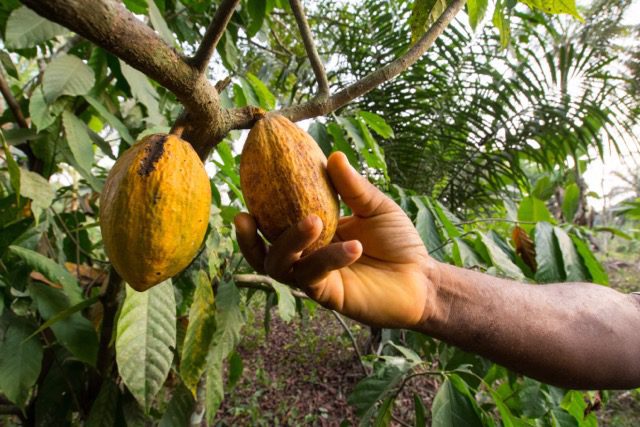
A hand reaching up to pick ripe yellow-orange cocoa pods from a tree in a lush plantation.

How place shapes flavor

Even within the same varietal, no two cacao beans taste exactly alike. Their flavor reflects the environment in which they grow. This sense of place, known as terroir, manifests climate, soil, altitude, and local farming practices to create a flavor profile unique to each origin.

Cacao trees thrive in the narrow band around the equator, where temperature, rainfall, and humidity remain steady throughout the year. Within this tropical belt, subtle differences in geography make a profound impact. 

Beans grown in volcanic soil, for example, often carry bright fruit acidity and clean, citrusy tones, while those cultivated in dense rainforest regions develop earthier, deeper chocolate notes. Coastal climates produce beans with gentle sweetness, while high-altitude farms yield cacao with heightened aromatics and balanced acidity.

Farmers and chocolate makers understand that terroir is more than geography — it’s a living relationship between the tree and its environment. The minerals in the soil, the microorganisms in the air, even the shade provided by surrounding plants influence how cacao ripens and ferments. Each factor leaves an imprint, shaping the aroma that blooms in the finished chocolate.

Terroir serves as both inspiration and guide. 

How varietal meets craftsmanship

Unlocking the potential of different cocoa varietals requires mastery. The journey from bean to bar transforms raw cacao into chocolate that expresses its identity. The transformation depends on precision, patience, and respect for the bean’s origin.

First, the cacao bean ferments. As cacao pulp ferments, natural yeasts and bacteria generate heat and acid, breaking down the bean’s sugars and developing aroma compounds. Criollo beans need shorter fermentation and cooler temperatures to preserve their floral complexity. Forastero benefits from longer fermentation that softens bitterness and deepens the cocoa flavor.

Next comes roasting, where temperature and timing shape the flavor of the beans. A deep roast mellows the strong, earthy tones of Forastero, while a gentle roast enhances the caramel and nut notes of chocolate Criollo. Trinitario and Nacional fall between these extremes, requiring experimentation to find their perfect balance.

During conching, the mixture smooths out and develops its flavor. Hours — sometimes days — of slow mixing allow acids to dissipate and complex notes to bloom. Amano’s small-batch approach to conching and tempering ensures that the distinct identity of each varietal remains intact.

This level of attention embodies the philosophy of artisan chocolate: crafting with intention, not automation. Every decision honors the bean’s individuality — artistry meeting science.

Why varietals matter to chocolate lovers

Understanding cacao varietals deepens not only your appreciation of chocolate’s flavor but also its integrity. Each varietal represents a lineage shaped by people and place — farmers preserving seeds, artisans refining methods, and consumers valuing authenticity.

Varietals are more than ingredients. They are partnerships with nature and history. Recognizing them connects you to sustainability, ethical sourcing, and biodiversity conservation. Choosing chocolate by varietal supports growers who maintain heirloom trees and protect cultural heritage.

Knowing what you’re tasting enhances the experience. When you savor Criollo or Forastero, you’re not only enjoying flavor — you’re tasting centuries of evolution and human artistry.

Artisan chocolate celebrates diversity in every sense: in the genetics of the beans, the environments from which they come, and the hands that craft them.

A tempting stack of rich dark chocolate squares surrounded by cinnamon sticks, star anise, and cocoa powder.

Discovering authentic flavor with Amano

From the bold depth of Forastero cacao to the rare delicacy of chocolate Criollo, each varietal tells a story of place, tradition, and craftsmanship. When guided by skilled hands, those differences become art — transformed into chocolate that captures the essence of its origin.

At Amano Chocolate, that artistry defines everything we do. Amano crafts each bar in small batches, using time-honored methods that preserve the cacao’s integrity and celebrate the farmers who grow it. 

If you’re ready to experience chocolate crafted with purpose and precision — rich in character, layered with flavor, and true to its roots — explore our entire Amano Chocolate collection. Discover how craftsmanship, ethics, and flavor converge in every bite, and taste the difference that begins where flavor starts: with the bean itself.

Why Trading Directly With Farmers Matters

A lively group of children and adults participate in a chocolate-making session, sharing smiles and learning together.

Direct trade chocolate starts with a connection: the kind that links makers to the farmers who grow each cacao pod. Those relationships shape everything from flavor to fairness. 

Traditional supply chains often lose that connection, passing cacao through multiple intermediaries before it ever reaches the maker. Along the way, the cocoa bean’s origin fades, quality drops, and farmers earn only a fraction of what their work deserves.

Direct trade changes that story. Chocolate makers visit farms, learn about the land, and build trust with the people behind the harvest. They share knowledge, pay fairly, and create long-term partnerships that strengthen quality and community. Every decision, from fermentation to roasting, reflects a collaborative, respectful approach.

When you choose chocolate made through direct trade, you taste the difference. Each bar carries the story of its origin that can be bright, rich, and full of character. It’s proof that ethical sourcing doesn’t just feel good; it tastes extraordinary.

The problem with the traditional cacao trade

Most cacao farmers work within a system that rewards intermediaries instead of growers. Farmers sell their beans to middlemen who control pricing and distribution, while exporters and manufacturers each take their cut. 

By the time the beans become a finished bar, the farmer often receives less than five percent of the final price. This imbalance leaves growers struggling to survive, even as global demand for premium chocolate increases.

Transparency also disappears in this model. Multiple brokers make it difficult to trace a bean’s journey from farm to factory. Origin details blur, and regional characteristics fade. Farmers lose motivation to refine fermentation or drying methods without feedback or recognition from chocolate makers. 

Consumers, in turn, lose the opportunity to understand where their chocolate comes from — or who made it possible.

This disconnect harms flavor and livelihood. When profit depends on volume, farmers have no incentive to prioritize quality. Beans from different regions get mixed together, flattening unique flavor profiles. The result is chocolate that tastes uniform and lacks character. Meanwhile, farming families face financial uncertainty and limited resources for sustainable growth.

Traditional trade fills supermarket shelves but empties the connection between people and product. To preserve quality and fairness, the future of chocolate depends on direct, transparent relationships rooted in respect and accountability.

What direct trade means

Direct trade builds relationships between chocolate makers and cacao farmers grounded in respect and transparency. Unlike fair trade, which depends on third-party certification and fixed pricing, direct trade focuses on trust and personal accountability. Makers take responsibility for sourcing, ensuring every purchase honors the farmer’s labor and the bean’s integrity.

This model allows chocolate makers to travel to farms, observe cultivation firsthand, and understand how soil, rainfall, and fermentation shape each harvest. These visits create dialogue — farmers share their challenges and methods, while makers offer feedback and goals for flavor development. Together, they refine the process and strengthen quality at every stage.

Everyone benefits. Farmers earn stable, fair prices that reflect their craftsmanship, allowing them to invest in better tools, education, and community infrastructure. Makers gain access to exceptional beans with consistent quality and traceable origins. The result is chocolate that carries authenticity, integrity, and incredible flavor.

Direct trade transforms chocolate making from a transaction into a partnership — preserving the human touch behind every bar and proving that kindness and craftsmanship belong together.

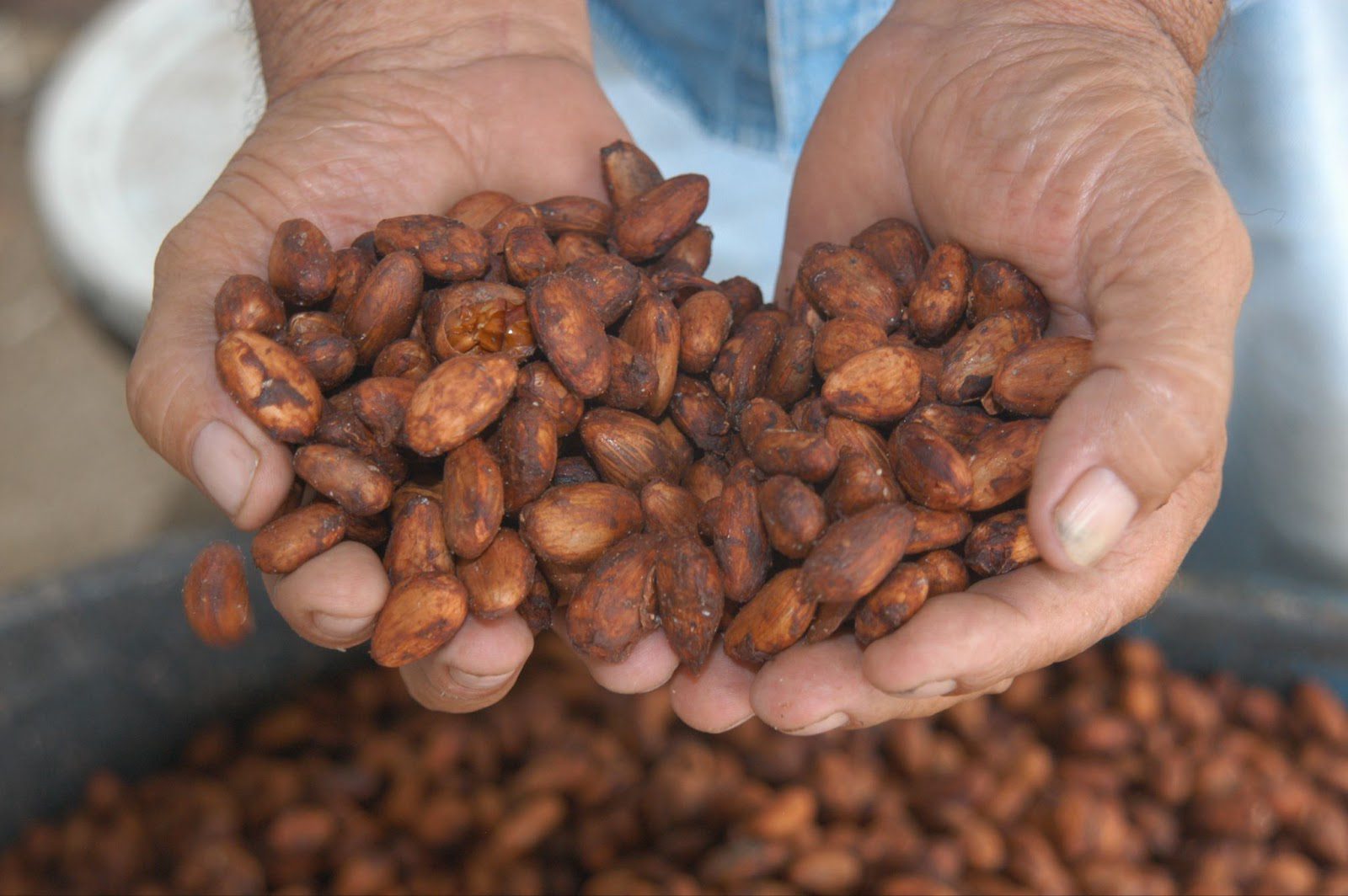
A man holding a bowl of cocoa beans, representing the raw ingredients used by chocolate makers.

Flavor begins on the farm

Every great chocolate bar starts long before roasting or conching — it begins in the soil. Climate, altitude, and surrounding vegetation shape cacao’s natural character. Farmers who understand their land cultivate trees that express its unique personality. 

Subtle variations in weather or soil composition in places like Venezuela, Madagascar, or Ecuador can shift flavor from bright citrus to deep spice or red fruit. Variations can happen between neighboring valleys as well.

Fermentation and drying define the next stage of the journey. During fermentation, natural yeasts and bacteria transform cacao’s pulp, building layers of fruit, floral, or nutty complexity. Controlled temperature and timing refine those flavors, while careful drying locks them in. 

A rushed or uneven process dulls the bean’s potential, but skilled farmers treat these steps as a craft — balancing science and intuition to create harmony.

Direct trade strengthens this craftsmanship through collaboration. Makers taste, share feedback, and help farmers fine-tune techniques for greater consistency and depth. In turn, farmers offer insight into seasonal shifts and crop behavior. This cycle of knowledge fuels excellence and authenticity. 

The result is chocolate that reflects the land, the weather, and the human care that brought it to life.

The flavor of kindness

Kindness shapes chocolate in ways that go far beyond taste. Ethical sourcing through direct trade begins with respect. This is a respect for the farmer’s labor, the land’s vitality, and the craft that transforms cacao into something extraordinary. 

True kindness in chocolate making isn’t charity; it’s partnership. It values human dignity and the belief that exceptional flavor emerges when everyone involved is treated with fairness and gratitude.

This approach creates chocolate that speaks for itself. Bars made through direct trade capture freshness, clarity, and authenticity that mass-market chocolate rarely achieves. 

Each bite tells a story of careful fermentation, intentional roasting, and shared pride between grower and maker. You taste the difference because nothing dulls or disguises the bean’s character in the process. Kindness becomes a tangible flavor that is rich, clean, and honest.

Consumers play a powerful role in this cycle of goodness. Every time someone chooses chocolate from a direct-trade brand, they invest in that chain of respect and collaboration. Their purchase sustains livelihoods, protects ecosystems, and rewards craftsmanship. This kind of mindful buying turns indulgence into impact. 

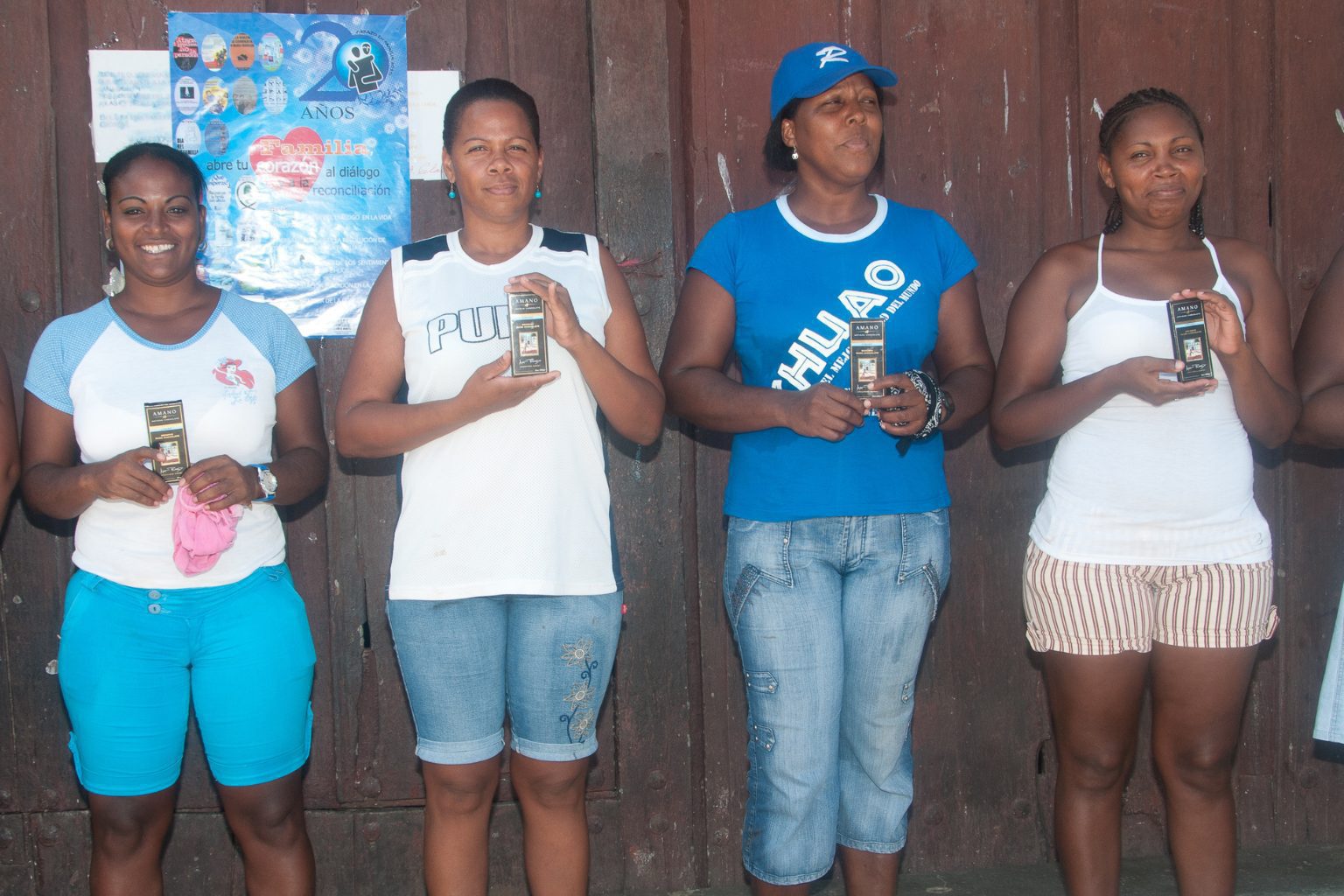
Group of Cuban or Latin American women proudly displaying AMANO artisan chocolate bars at a family reconciliation event.

Farmers posing with the Amano Chuao Bar

Amano  —  Where flavor and kindness are valued most

Amano Chocolate embodies everything direct trade represents  —  integrity, collaboration, and respect from farm to bar. Our partnerships with cacao farmers in regions like Madagascar, Venezuela, and Ecuador form the foundation of its success. 

These relationships grow through shared learning and hands-on involvement, as our team regularly visits farms, refines fermentation methods, and supports growers in achieving their highest potential.

Every decision reflects care for both people and flavor. By working side by side with farmers, Amano preserves the unique identity of each origin and transforms that authenticity into award-winning chocolate. The result is a collection of bars that carry the essence of the land and the spirit of the people who tend it.

When you choose Amano, you taste the difference that kindness and craftsmanship create together. Each square delivers a story of collaboration, culture, and the pursuit of true excellence. Explore Amano’s collection, and experience how flavor becomes more meaningful when it grows from connection and respect.

A Sweet Experience: How to Elevate Your Chocolate Fondue Board for Any Occasion

A lively table filled with people enjoying a meal and sharing glasses of wine together

Chocolate fondue has a way of bringing people together. The moment that warm, melted chocolate appears on the table, it sets the stage for fun, indulgence, and connection. Guests gather, share stories, and enjoy the simple pleasure of dipping fruit, pastries, or sweets into rich, velvety chocolate.

The beauty of a fondue board lies in its versatility. It feels romantic and inviting for an intimate date night and becomes the centerpiece of a festive gathering. With the right pairings and presentation, chocolate fondue adapts to any occasion, offering comfort and elegance.

This guide will show you how to create a fondue board that dazzles the eye and delights the palate. From choosing the right chocolate to arranging dippers with style, you’ll learn how to blend flavor, presentation, and creativity into a sweet experience worth remembering.

Why choose fondue for entertaining

Chocolate fondue transforms any gathering into a shared experience. Guests dip, explore flavors, and enjoy the moment. The act of gathering around warm, melted chocolate creates a sense of connection that feels natural and memorable.

Fondue also adapts effortlessly to the mood of the event. A simple spread of fruit and pastries feels intimate and inviting for a cozy night in. For a larger celebration, an elaborate fondue board filled with colorful dippers becomes an elegant centerpiece. This flexibility makes it a favorite choice for both casual evenings and formal occasions.

Preparation requires surprisingly little effort while delivering a luxurious result. You can create an impressive spread without hours in the kitchen with high-quality chocolate and a thoughtful selection of dippers. The simplicity leaves you free to focus on your guests while still serving something indulgent and unforgettable.

Choosing your chocolate base

The chocolate you select defines the entire fondue experience. Every type of chocolate shapes the mood at the table, so match your choice to the kind of gathering you’re hosting.

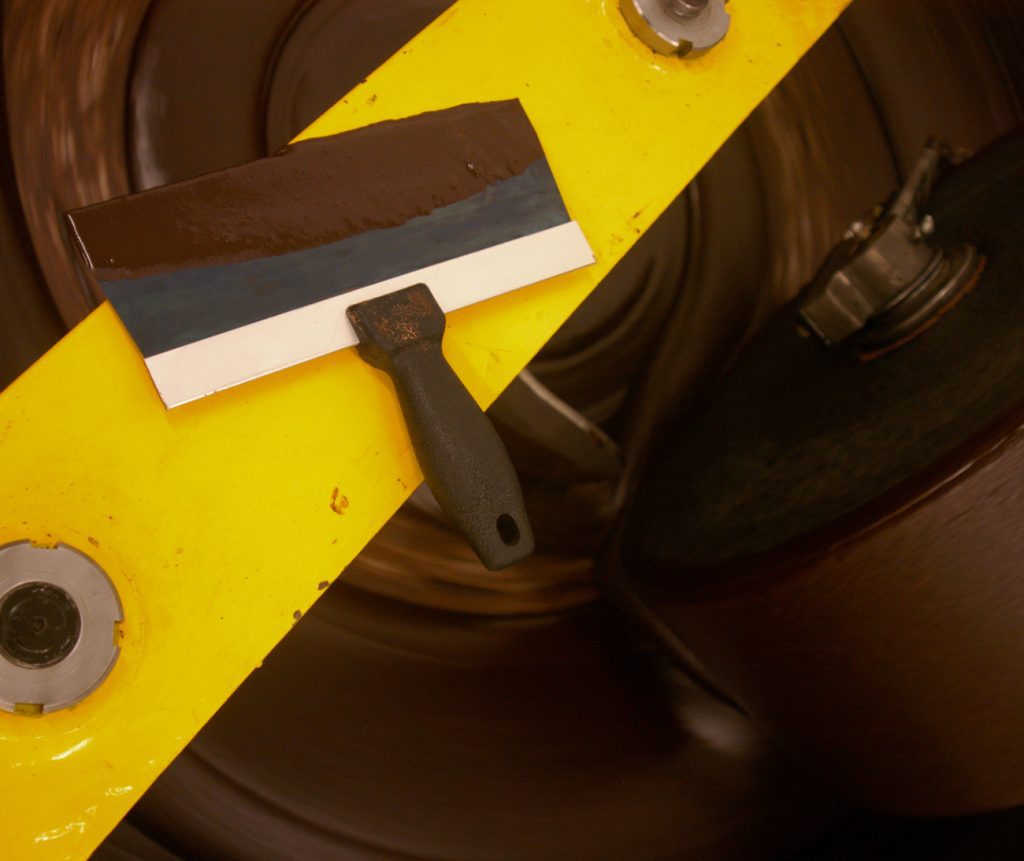
A yellow and black tool is positioned atop a yellow wheel highlighting its construction and purpose

Explore different types of chocolate

Dark chocolate offers bold character, with notes that range from bright bursts of fruit to deep, earthy undertones shaped by its origin. Its intensity lingers on the palate, making it a favorite for those who enjoy complexity and richness in every bite. Pairing it with berries, figs, or bold wines elevates its sophistication even further.

Milk chocolate brings familiar comfort with its balance of sweet and creamy flavors. Its smooth texture appeals to both children and adults, making it the most versatile option for a crowd. It pairs beautifully with softer dippers like marshmallows, cake cubes, or biscotti, highlighting its mellow sweetness.

White chocolate, crafted from cocoa butter, delivers a buttery, indulgent flavor that feels luxurious. Its gentle sweetness and velvety texture pair exceptionally well with tangy fruits like pineapple or raspberries, creating a contrast that feels both refreshing and indulgent.

For a playful twist, flavored chocolates infused with raspberry, orange, chili, or warm spices bring excitement and variety to the board. These unexpected flavor infusions keep guests curious and engaged, transforming a simple dip into a memorable tasting experience.

Choose quality with care

Always prioritize chocolate that contains a high percentage of cocoa butter. This gives the fondue its silky texture and lingering finish. Skip products heavy in vegetable oils or fillers, since they tend to melt poorly and taste flat. Single-origin or small-batch chocolate often delivers the most vibrant flavors, carrying subtle notes shaped by the soil and climate where the cacao grew.

Master the melting process

The secret to fondue lies in the way you melt and maintain the chocolate. A double boiler provides the most control, ensuring gentle, even heating. For table service, a fondue pot keeps the chocolate warm and inviting throughout the evening. 

If you prefer a relaxed option, set a slow cooker on its lowest setting. Stir frequently to keep the texture glossy and smooth, and if it begins to thicken, a splash of warm cream revives it instantly.

Selecting chocolate thoughtfully and treating it with care turns your fondue into a centerpiece. The right base guarantees every dip feels indulgent and every bite lingers with depth and character.

Building the perfect fondue board

A chocolate fondue board shines when it blends flavor, texture, and color. The right mix of dippers transforms melted chocolate into a full experience that excites both the eye and the palate.

Fruits

Fresh fruit offers sweetness, acidity, and juiciness that balance the richness of chocolate. Strawberries remain a classic choice, while bananas add creaminess. Pineapple delivers bright tartness, apples bring crisp contrast, and figs contribute natural elegance.

Sweets

Soft, chewy, or crunchy treats give your board variety. Marshmallows melt into gooey bites, brownies add fudgy decadence, and biscotti provide a crisp Italian flair. Cookies and pound cake cubes soak up chocolate beautifully while adding structure.

Savory surprises

A hint of salt keeps the board from feeling too sweet. Pretzels bring crunch, potato chips add an unexpected pop of flavor, and salted nuts offer a toasty, earthy balance. These savory options highlight chocolate’s depth while surprising your guests.

Seasonal touches

Match your board to the season for extra charm. In winter, include peppermint sticks or gingerbread for festive flair. In summer, showcase fresh berries and stone fruits for color and brightness. Seasonal dippers keep your spread fresh and memorable.

A thoughtful mix of these elements creates a centerpiece that encourages tasting, conversation, and celebration.

Presentation tips

The presentation of a fondue board transforms it from a simple spread into a centerpiece that excites guests before the first dip. A few intentional choices in layout, color, and finishing details make the board as beautiful as it is delicious.

Create visual flow

Think of your board as a canvas. Place larger dippers like fruit wedges or cake cubes along the edges to frame the arrangement. Work inward with smaller items, guiding the eye toward the fondue pot in the center. This natural flow makes the board easy to navigate while showcasing variety.

Play with height and texture

Flat arrangements look crowded, so introduce layers. Use ramekins or bowls for nuts, candies, or sauces to add dimension. Stack biscotti or cookies at an angle, and let clusters of berries spill naturally across the board. Height variation gives the display movement and keeps it from feeling static.

Balance color and flavor

A great fondue board engages the senses visually as well as through taste. Pair the bold reds of strawberries with the golden tones of pineapple, and contrast them against the darker hues of chocolate brownies. Intermix savory elements like pretzels or salted nuts to break up the sweetness and add balance.

Finish with thoughtful details

Garnishes elevate the presentation and tie the whole theme together. A sprinkle of powdered sugar creates elegance, while fresh mint leaves add brightness. For a festive occasion, scatter edible flowers or seasonal touches like candied orange peel or crushed peppermint. These final flourishes transform the board into a feast for the eyes and the palate.

Pairing beverages with fondue

The right drink elevates a chocolate fondue board from delicious to unforgettable. Pairing beverages thoughtfully enhances flavor, balances richness, and creates a complete sensory experience for your guests.

Wine pairings

Sparkling wines bring lively bubbles that cut through the creaminess of white chocolate, refreshing the palate with every sip. Bold red wines like Cabernet Sauvignon or Syrah pair beautifully with dark chocolate, highlighting earthy and fruity undertones. Try a Pinot Noir or Merlot for milk chocolate to complement its smooth sweetness.

Non-alcoholic pairings

Not every guest wants wine, and fondue works equally well with thoughtful alcohol-free options. Strong coffee balances rich chocolate, while delicate teas like Earl Grey or jasmine bring a fragrant contrast. For a seasonal twist, serve warm spiced cider. Sparkling water also makes a great palate cleanser, allowing the flavors of each dip to shine.

Cocktail ideas

For something more festive, add cocktails to the spread. Espresso martinis emphasize the roasted notes of dark chocolate. Spiked hot chocolate doubles down on indulgence while adding warmth on a chilly evening. Brandy pairs smoothly with almost any type of chocolate, lending depth and elegance to the fondue experience.

Choosing pairings with intention transforms fondue into an event that delights every sense.

Adapting for special occasions

A chocolate fondue board offers endless flexibility, making it easy to tailor for any celebration. With a few thoughtful additions, you can create a spread that feels personalized and unforgettable.

Romantic date night

Set the mood with rose petals scattered across the table and a bottle of champagne to complement the richness of the chocolate. Add heart-shaped dippers such as cookies or fruit slices to make the evening feel intimate and playful.

Kids’ parties

Bring energy and fun to the board by adding colorful candies, rainbow sprinkles, and skewers decorated with ribbons or fun toppers. Keep the focus on bright colors and familiar flavors so kids feel excited to dip and explore.

Holiday gatherings

Highlight seasonal cheer with festive dippers like gingerbread cookies, candy canes, and fresh fruits such as pears, cranberries, or pomegranate seeds. Pair the spread with hot cider or mulled wine to complete the cozy atmosphere.

Elegant dinner parties

Add gourmet cheeses, ripe figs, or slices of artisan bread for a more sophisticated touch. These pair beautifully with dark chocolate, creating a balance of sweet and savory that will impress even the most discerning guests.

No matter the occasion, adapting your fondue board with thoughtful details ensures it feels as special as the people you share it with.

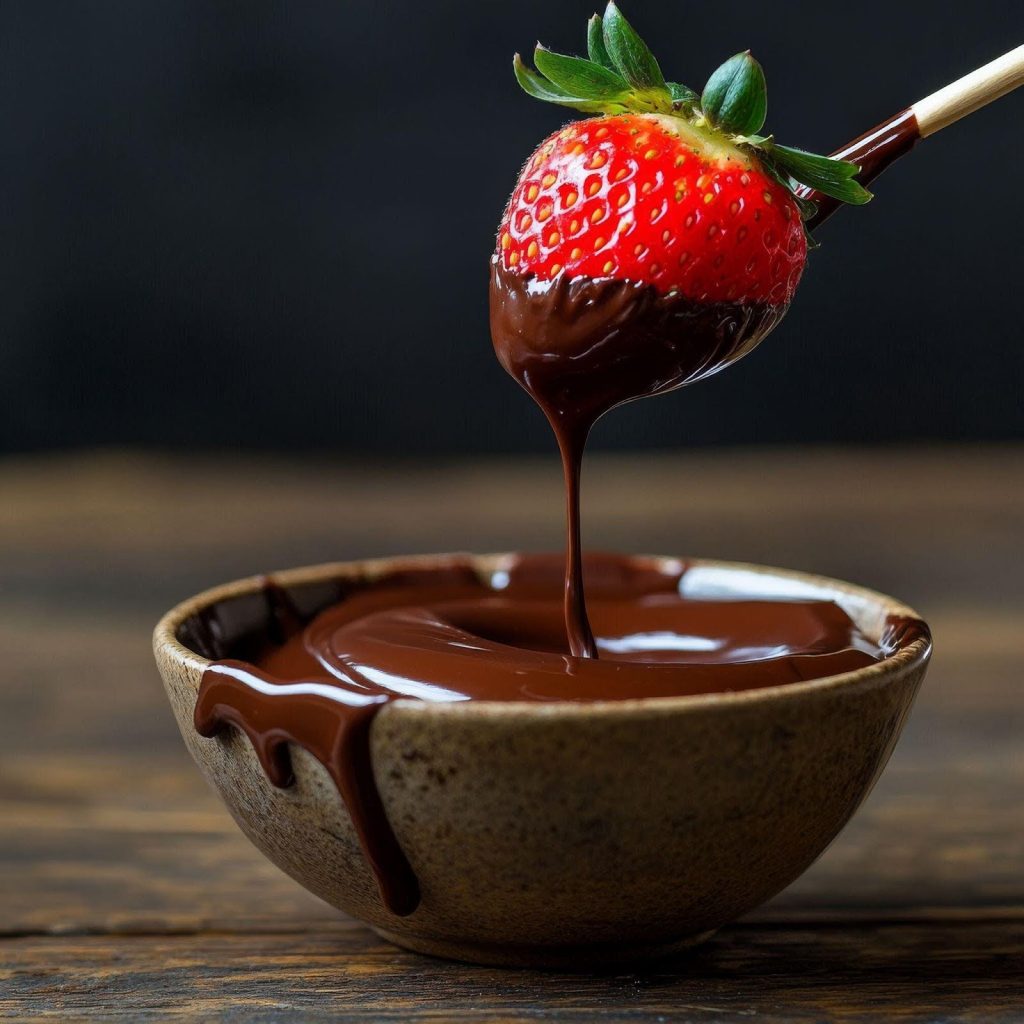
A fresh strawberry being dipped in melted chocolate on a rustic wooden table

Tips for success

A well-planned fondue board blends ease with elegance. When you pay attention to the details, the experience feels seamless, and your guests stay focused on the fun of dipping and tasting.

Keep the chocolate in its sweet spot

Fondue loses its charm if the chocolate thickens too much or overheats. Place the pot over a gentle heat source and stir occasionally to maintain a glossy, smooth consistency. A small splash of cream or milk revives the texture if it starts to stiffen during the evening.

Give guests tools that invite sharing

Offer skewers, fondue forks, or decorative toothpicks in abundance. Keep them within reach so no one has to juggle or double-dip. Consider setting out separate dipping tools for savory and sweet items to keep flavors balanced.

Plan portions with variety in mind

Think beyond volume. Offer enough of each type, fruit, sweets, and salty bites, so every guest can try different flavor combinations. A good rule of thumb is three to four dippers per person, arranged so everyone can access the board easily.

Design the space for comfort

Place the fondue pot at the center of the board or table to make dipping simple. Provide small plates for each guest so they can enjoy their selection without hovering around the pot. Clear napkins or warm towels nearby keep things neat and inviting.

Simplify clean-up with intention

Prepare the board on parchment paper or food-safe trays that you can lift away when the party ends. Soak fondue pots and utensils in warm water immediately to prevent hardened chocolate from sticking. These small steps save time and make hosting stress-free.

When you plan with these tips in mind, your fondue board turns into an experience your guests will remember long after the chocolate has disappeared.

Enjoy elevated fondue with Amano

A chocolate fondue board goes beyond basic dessert to create connection, spark conversation, and turn any gathering into a celebration. With the right mix of fruits, sweets, and savory bites, paired drinks, and thoughtful presentation, you give your guests an experience that feels both indulgent and memorable.

To elevate your fondue even further, start with the best chocolate. Amano Chocolate crafts award-winning, single-origin bars that highlight the true flavors of cacao. Our small-batch process preserves the character of each bean, ensuring the melted chocolate on your board tastes smooth, rich, and unforgettable.

When you choose Amano, you give your fondue the foundation it deserves: ethical sourcing, uncompromising quality, and flavors that carry their origin story. Whether you’re hosting a romantic date night, a holiday party, or an elegant dinner, Amano transforms your board into something extraordinary.

Invite your guests to dip, savor, and linger around chocolate that feels as intentional as the occasion itself. Shop Amano, where every bite tells a story worth sharing.

Cozy Up With the Perfect Italian Dark Hot Chocolate: A Step-by-Step Guide

A cozy cup of hot chocolate with cocoa and spices displayed on a wooden table, inviting warmth and comfort.

For those who love artisan chocolate, nothing compares to the comfort of wrapping your hands around a steaming cup of Italian dark hot chocolate on a chilly day. The first sip warms you instantly, filling each moment with richness and indulgence.

Unlike ordinary hot cocoa, Italian hot chocolate delivers a thicker, creamier texture that feels more like a dessert than a simple drink. Its deep flavor comes from real dark chocolate, slowly melted and blended until it transforms into a velvety treat. Every sip feels luxurious, making it a favorite during winter months or cozy evenings at home.

This guide teaches you how to prepare authentic Italian hot chocolate in your own kitchen. From gathering the right ingredients to serving with style, you’ll discover how to turn a classic comfort drink into a decadent ritual worth savoring.

What makes Italian hot chocolate unique?

Italian hot chocolate, or cioccolata calda, delivers a far different experience from the instant packets most people associate with hot cocoa. This thick drink is almost pudding-like, offering luxury and indulgence with every sip. 

Unlike standard hot cocoa, which often tastes light and overly sweet, Italian hot chocolate emphasizes richness and depth. Each serving offers concentrated chocolate flavor, balanced by creaminess and the perfect amount of sweetness. Instead of sipping quickly, you savor it slowly, much like a fine dessert.

Its roots trace back to Italy’s long-standing love affair with chocolate. In cafés across the country, cioccolata calda remains a winter staple, served in small cups and often paired with pastries. This tradition reflects Italy’s culinary craftsmanship and dedication to elevating simple pleasures into memorable rituals.

Gather your ingredients

The heart of Italian hot chocolate lies in its ingredients. Choosing the right ones ensures your drink delivers the richness and texture that make cioccolata calda unforgettable.

Dark chocolate 

Start with high-quality dark chocolate containing 70% cacao or higher. The intensity of real chocolate creates the luxurious flavor that defines this recipe. Avoid cocoa powder substitutes for the most authentic result.

Whole milk 

Use whole milk for creaminess and body. If you prefer a plant-based option, oat or coconut milk provides a rich alternative without sacrificing texture.

Sugar 

Sweetness should balance the boldness of the chocolate. Adjust the amount to your preference, keeping the focus on the chocolate’s natural depth.

Optional flavor enhancers 

Spices and accents bring your hot chocolate to life. Add cinnamon for warmth, chili for a gentle kick, vanilla for smoothness, or orange zest for brightness. Each addition changes the experience while keeping the essence of the drink intact.

With these ingredients in hand, you’re ready to create a cup that feels indulgent, comforting, and unmistakably Italian.

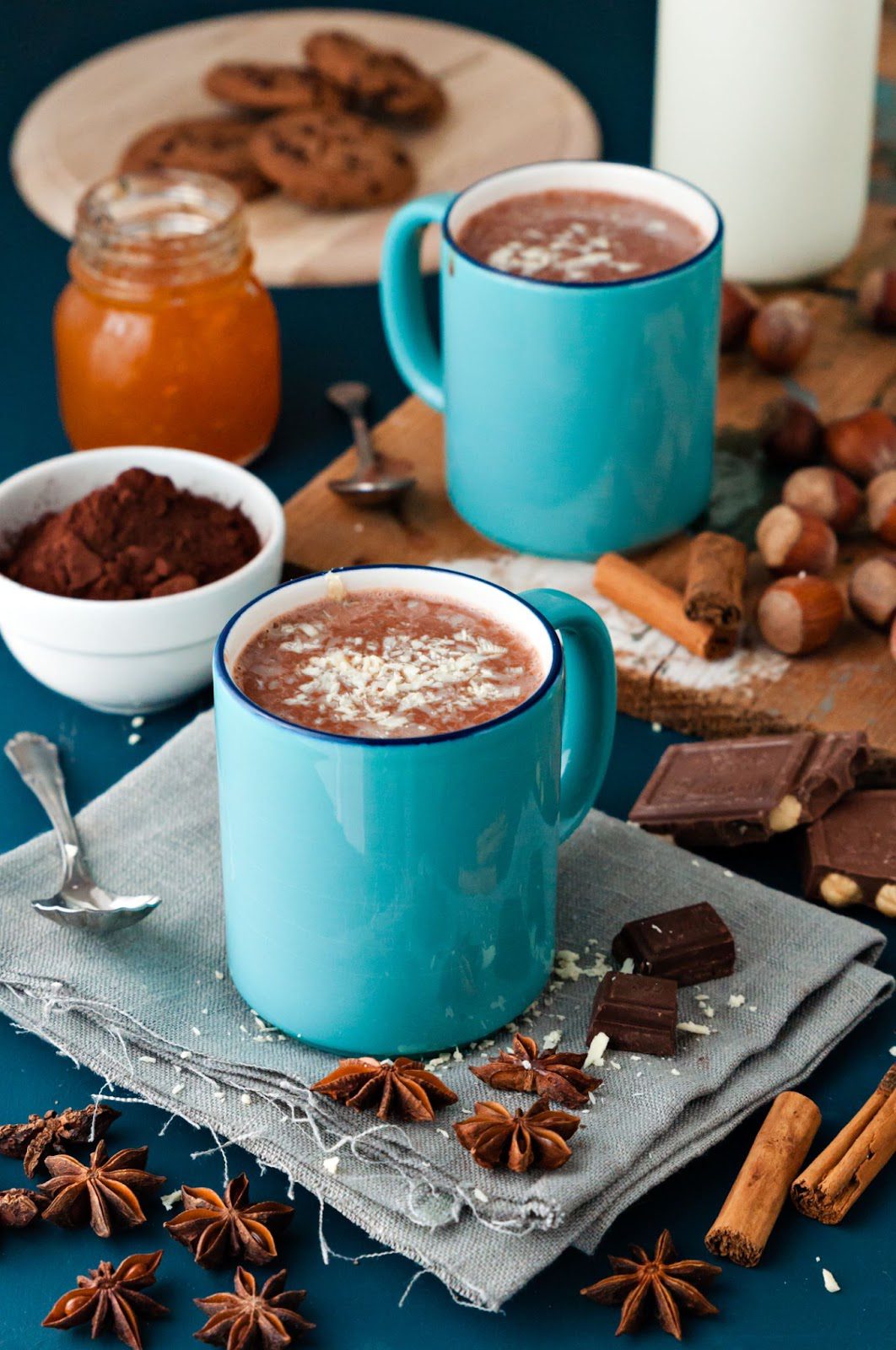
A cup of hot chocolate with nuts and spices, set against a blue table background.

Tools you’ll need

Great ingredients deserve the right tools. With a few kitchen essentials, you’ll achieve the smooth, velvety texture that makes Italian hot chocolate irresistible.

Heavy-bottomed saucepan 

Use a sturdy pan that distributes heat evenly. This prevents scorching and helps the chocolate melt gently.

Whisk 

A whisk keeps the mixture silky by blending chocolate and milk into a consistent, lump-free* drink.

Measuring cups and spoons 

Accuracy matters for both flavor and texture. Proper measurements ensure your hot chocolate thickens perfectly without becoming too heavy.

Serving mugs 

Present your creation in small, espresso-style cups. Their size highlights the richness of Italian hot chocolate and makes each serving feel indulgent.

Step-by-step recipe

Making Italian dark hot chocolate is as rewarding as drinking it. Follow these steps to create a smooth, rich, and indulgent cup.

Start with:

  • ¾ cup whole milk
  • One 3-oz bar of dark chocolate
  • A Four finger-pinch of sugar
  • A Two finger-pinch of salt
  • Small dash of cream

Place your chocolate at the bottom of a saucepan or pot, and add enough milk to cover it. Apply a medium or medium-low heat. Stir occasionally, increasing the frequency of stirring as the milk warms. Do this until the chocolate is fully incorporated.

Pour in the remaining milk, then add the cream, sugar, and salt. Stir continuously over medium heat and reduce the heat when the mixture begins to steam to avoid boiling. The drinking chocolate will thicken after a few minutes. 

Holiday serving suggestions

Italian hot chocolate feels even more special when you add seasonal touches. Serve it in small cups with a holiday garnish to capture both flavor and festive spirit.

Pair this rich drink with panettone, the traditional Italian sweet bread studded with raisins and candied fruit. The light, fluffy texture balances the thickness of the hot chocolate while adding a celebratory note. 

Spiced cookies, such as gingersnaps or speculoos, also make excellent companions, their warm flavors enhancing the richness of the chocolate. 

Offer peppermint bark or candy canes on the side for a playful twist. Guests can dip or stir them into the drink for a refreshing mint accent.

For presentation, add a dusting of cinnamon or nutmeg across the surface or top each serving with a swirl of whipped cream and crushed peppermint. These finishing touches highlight holiday flavors and make every cup feel like a festive indulgence.

Packaging design for Amano Coffee Bar featuring elegant branding and earthy colors.

Serve up something special with Amano Chocolate

To elevate your recipe even further, start with the best chocolate. Amano Chocolate crafts award-winning, single-origin bars in small batches, highlighting the unique flavors of cacao from regions like Madagascar, Venezuela, and Ecuador. Our dedication to quality and ethical sourcing makes every square an experience worth savoring.

When you choose Amano for your hot chocolate, you do more than prepare a drink — you create a cup that captures authenticity, craftsmanship, and indulgence. Cozy up, sip slowly, and discover how real chocolate transforms a simple recipe into an experience.

Recipe variations

The beauty of hot chocolate lies in the numerous variations you can create to suit your taste. Variations include adding cinnamon for taste, creating a cornstarch slurry to further thicken the hot chocolate (remember to pour the slurry into a splash of cold milk to prevent clumping!), or simply adding more milk. Try this recipe with your own twist, and let us know how it tastes!

How to Host the Perfect Artisan Chocolate Tasting Party

A man and woman share chocolate at a dinner table enjoying a moment together in a cozy setting

Host a chocolate tasting party, and you instantly turn an ordinary gathering into something unforgettable. Instead of the usual snacks, you give your guests a chance to explore flavors, share discoveries, and connect over an indulgence everyone loves.

Artisan chocolate sets the stage for this experience. Each single-origin chocolate bar captures the character of its region and is shaped by soil, climate, and farming traditions. Small-batch craftsmanship preserves those qualities, delivering flavors that surprise and delight. One bite sparks conversation; another inspires curiosity.

This guide covers everything you need to host a refined and welcoming tasting. You’ll learn how to select the right lineup of bars, create the perfect atmosphere, and guide your guests through an experience that lingers long after the last piece is gone.

Why choose artisan chocolate for your tasting

Artisan chocolate creates a tasting experience that mass-market bars cannot match. While factory-made chocolate often relies on heavy sugar and additives for consistency, artisan makers focus on flavor integrity and craftsmanship. The difference shows in every bite.

Single-origin cacao gives artisan chocolate its depth. Each region imparts unique notes shaped by climate, soil, and cultivation. A bar made with beans from Madagascar might reveal bright fruit and citrus, while one from Venezuela could deliver wine-like richness or subtle spice. 

Small-batch methods preserve these qualities, ensuring the bean’s character remains at the forefront.

Every artisan bar tells a story. From the terroir that shapes the cacao to the careful roasting, conching, and tempering, the process reflects dedication to flavor and authenticity. Texture, aroma, and finish work together to create a tasting experience that feels intentional, layered, and memorable.

When you select artisan chocolate for your tasting, you invite your guests to explore complexity and discover the craftsmanship behind each origin. Instead of offering something ordinary, you share chocolate that celebrates its journey from bean to bar.

Plan your guest list and atmosphere

An artisan chocolate tasting is most engaging when the group remains small and intimate. Aim for six to ten guests. This size allows everyone to share impressions, ask questions, and enjoy meaningful conversation without feeling crowded. Larger groups often dilute the experience and make it harder to focus on the subtle details of each bar.

Choose a space that supports focus and comfort. Neutral lighting helps guests see the chocolate’s true color and texture, while a quiet environment keeps their attention on the tasting itself. Avoid strong scents, bright lights, or background noise that distract from flavor and aroma.

Set the mood with thoughtful touches that make the gathering feel both relaxed and refined. Soft background music creates ambiance without overwhelming the senses. Elegant tableware, such as small plates, glass tumblers, and tasting spoons, adds a sense of occasion. 

Provide tasting cards or notebooks so guests can record their impressions as they move through the lineup. These details encourage deeper engagement and make the evening memorable.

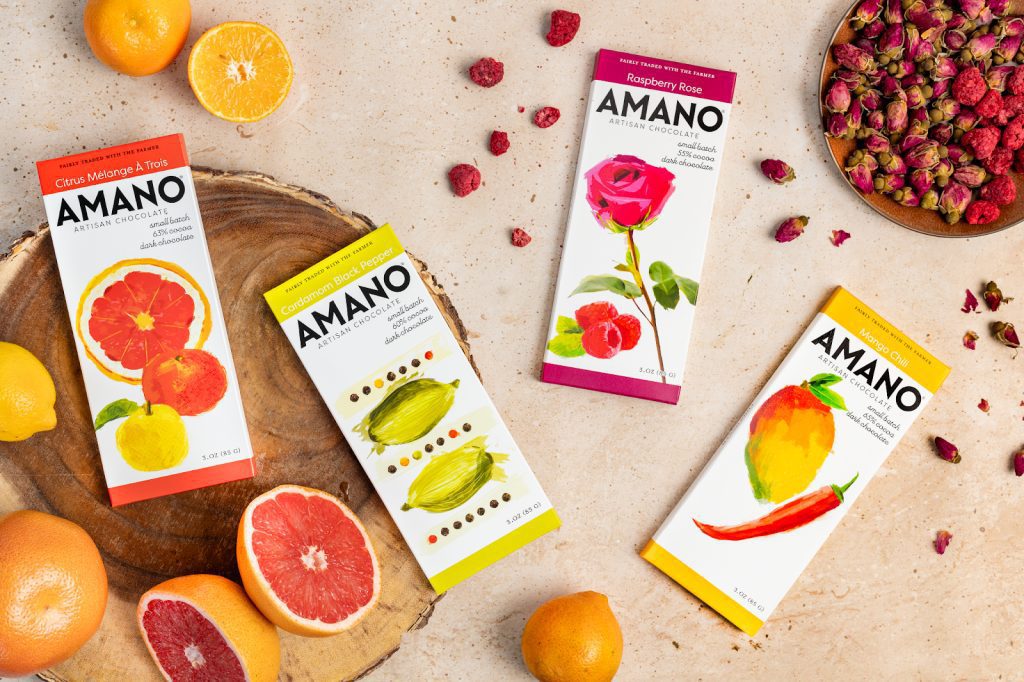
A display of amano's new fruit-flavored protein bars in various vibrant packaging designs

Selecting your gourmet chocolate lineup

A successful tasting begins with a thoughtful selection of bars. Choose a variety of single-origin chocolates to showcase how terroir shapes flavor. Regions like Madagascar, Venezuela, Ecuador, and the Dominican Republic each offer distinct profiles, ranging from citrus brightness to earthy depth and warm spice. This mix helps your guests experience cacao’s true diversity.

Include a few flavored bars with inclusions such as raspberry, citrus zest, or spices to keep the tasting dynamic. These additions provide contrast to the pure single-origin chocolate and highlight how complementary ingredients enhance chocolate’s natural complexity.

For fairness and focus, keep the cacao percentage consistent across your lineup. Selecting 70% bars from different regions ensures that your comparisons highlight the differences in origin rather than sweetness levels. This approach sharpens the palate and makes the progression of flavors easier to follow.

Finally, feature a brand committed to small-batch craftsmanship, like Amano Artisan Chocolate. A dedication to sourcing rare cacao and preserving its integrity guarantees a tasting experience rich in authenticity and depth. With Amano, every bar tells a story worth savoring.

Preparing for the tasting

Setting the stage for your tasting makes all the difference. Start by serving your chocolate at the ideal temperature, between 65 and 70 degrees Fahrenheit. Chocolate that is too warm feels soft and loses snap, while chocolate that is too cold mutes its aromas and flavors.

Break each bar into small, even squares so guests experience a uniform bite. Presentation matters, but portioning also helps ensure everyone samples enough to notice subtle flavor shifts without overwhelming the palate.

Keep palate cleansers on hand to refresh taste buds between samples. Still water works well, but sparkling water adds a cleansing effervescence. Unsalted crackers or pieces of plain bread also provide a neutral reset, helping guests appreciate the nuances of each new chocolate.

An assortment of chocolate bars emphasizing their antioxidant properties and health benefits

Step-by-step tasting guide for guests

A chocolate tasting works best when everyone slows down and engages each sense. This simple guide helps your guests experience each bar fully.

Look 

Begin by examining the chocolate’s surface. A glossy sheen and even color suggest proper tempering, while streaks or dullness may signal imperfections.

Snap 

Break off a piece and listen. A clean, crisp snap shows well-tempered chocolate with the right balance of cocoa butter and structure.

Smell

Hold the piece close and inhale. Notice the aromas — fruit, spice, floral notes, toasted nuts, or earthy undertones. The fragrance often hints at what flavors will emerge once the chocolate melts.

Taste 

Place a square on your tongue and let it melt slowly. Pay attention as flavors unfold in layers, from the initial burst to the lingering finish. Notice the balance of acidity, sweetness, bitterness, and texture.

Reflect 

After each sample, jot down impressions and compare with others. Encourage discussion about flavor notes, texture, and overall experience. Sharing perspectives not only deepens appreciation but also makes the tasting more engaging and memorable.

Pairings to elevate the experience

Wine pairings

Chocolate and wine share natural affinities that make them ideal partners. Red wines such as Pinot Noir and Merlot balance beautifully with the richness of dark chocolate, bringing out fruit and spice notes. 

Sparkling wines add a lively contrast to creamy or citrus-infused chocolate, while dessert wines highlight deeper caramel or nutty tones. Matching each bar with the right varietal enhances complexity and leaves a lasting impression.

Non-alcoholic pairings

For guests who prefer alcohol-free options, chocolate pairs wonderfully with coffee, tea, or fruit-infused water. A bold espresso sharpens the intensity of darker chocolate bars, while a delicate green tea complements floral or citrus origins. Infused waters with berries, citrus slices, or herbs provide a refreshing reset between tastings without overwhelming the palate.

Tips for matching flavors

Think of pairings as a way to harmonize or contrast. Bright, citrus-forward chocolate works best with crisp wines or sparkling beverages that highlight acidity. Earthier, richer chocolate shines with bold reds that mirror its depth. Flavored bars with inclusions like raspberry or spice often pair best with wines or teas that echo or balance those notes. 

A thoughtful match transforms tasting into an exploration where both chocolate and beverage elevate each other.

Making it interactive and fun

Chocolate tastings shine when guests feel engaged. Adding playful elements keeps the experience lighthearted while deepening appreciation for each flavor.

Blind tastings 

Invite guests to sample chocolate without knowing its origin. Ask them to guess the country, region, or even the cacao percentage. This exercise sparks lively conversation and encourages everyone to trust their senses.

Flavor wheels 

Provide a chocolate flavor wheel to help guests identify notes more easily. With categories like fruity, floral, nutty, and earthy, the wheel guides tasters toward specific descriptors and makes the process approachable, even for beginners.

Prizes and take-home gifts 

Offer small rewards for correct guesses in the blind tasting or for the most creative flavor description. Send guests home with artisan chocolate bars or curated bundles so the experience continues beyond the event.

Weaving in these interactive touches turns a simple tasting into a memorable celebration of flavor, discovery, and connection.

Packaging of an Amano chocolate bar showcasing artistic design elements and the brand logo in vibrant hues

Elevate your tasting with Amano Artisan Chocolate

A well-planned chocolate tasting party creates more than a gathering; it sparks discovery, connection, and delight in every bite. When you choose artisan chocolate, you give your guests an experience filled with complexity, origin stories, and flavor worth remembering.

For a lineup that impresses every palate, turn to Amano Chocolate. Each bar reflects the unique terroir of its origin, crafted in small batches to preserve depth and character. 

Whether you feature our single-origin chocolates from Madagascar or Venezuela, or surprise guests with flavor-rich inclusions like Raspberry Rose, Amano delivers integrity and excellence in every square.

Make your tasting unforgettable. Share chocolate that tells a story, pairs beautifully with wine, and leaves a lasting impression. Shop Amano and taste chocolate the way it was meant to be.

Understanding Kosher Certification in Chocolate: What Makes It Special?

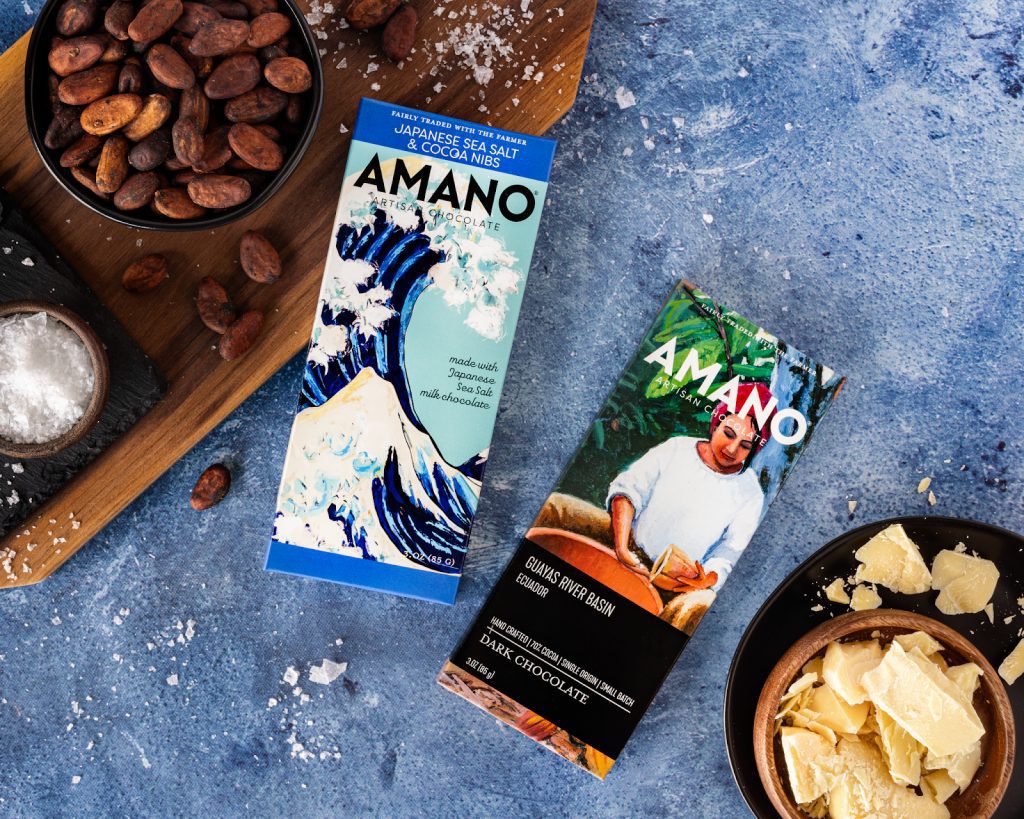
Five Amano Artisan Chocolate bars with unique designs and origins, displayed with cocoa beans.

For many chocolate lovers, kosher certification helps guide their choices and ensures they pick a bar made with care and integrity. While kosher standards originate from Jewish dietary laws, their influence goes far beyond religious tradition.

Kosher chocolate reflects deliberate sourcing, clean production methods, and transparent labeling. Brands that pursue kosher certification commit to high standards at every stage — from selecting ingredients to sanitizing equipment. Consumers gain more than a label; they receive chocolate crafted with discipline and trustworthiness.

In this blog, you’ll explore what kosher certification means in chocolate, how producers achieve it, and why it holds value for religious and non-religious consumers. Whether you seek purity, quality, or accountability, kosher chocolate delivers an experience rooted in principle and precision.

Defining kosher: More than a label

Kosher refers to food that aligns with Jewish dietary law, known as kashrut. These ancient guidelines define which foods people may eat, how they must be prepared, and how they must be handled from source to table. At their core, kosher laws promote spiritual discipline, ethical awareness, and rigorous attention to cleanliness, ingredient purity, and transparency.

Core kosher rules: Separation and supervision

To meet kosher standards, food must follow several foundational rules. Meat and dairy must remain completely separate — not only in the finished dish but throughout sourcing, processing, and serving. Equipment used for dairy cannot be used for meat, and vice versa. All ingredients must come from kosher-approved sources, and facilities must maintain strict cleanliness and oversight. 

Rabbinical authorities supervise and certify these practices, inspecting everything from production methods to packaging lines to ensure full compliance with kosher law. Their oversight begins long before the final product reaches store shelves. 

These trained experts verify that every ingredient used in the chocolate, such as lecithin, milk solids, or flavor extracts, comes from a kosher-approved source. They also assess whether the equipment used in production has been properly cleaned and maintained.

During on-site inspections, they observe how workers handle ingredients, monitor cleaning protocols, and confirm no cross-contamination. 

For example, if machinery processes kosher-dairy or non-kosher material and wants to process pareve (neutral) chocolate, the rabbi ensures that the equipment has been sterilized and thoroughly cleaned to meet kosher standards. Even packaging materials and storage practices come under scrutiny to maintain full integrity.

This level of supervision helps guarantee that every step of production aligns with Jewish dietary laws. Once the rabbinical authority confirms all requirements have been met, they grant kosher certification. 

This certification appears on the packaging in the form of a symbol (OU, Star-K, or Kof-K), which assures consumers that the chocolate has been produced with strict attention to cleanliness, transparency, and religious observance.

Why chocolate needs kosher oversight

Although chocolate may seem straightforward, its ingredients and manufacturing process introduce unexpected complexity. Chocolate often contains emulsifiers like soy or sunflower lecithin, flavorings, or milk derivatives that require kosher validation. Even natural flavors and processing aids must be traced back to kosher-certified sources.

Equipment used to melt, mold, or package chocolate must also meet strict criteria. If it was previously used for non-kosher products, it must be sterilized or designated for kosher use only.

Kosher as a mark of integrity

These rules may seem technical, but they ultimately serve a broader purpose. Kosher certification guarantees that food production involves accountability at every level. Consumers know exactly what goes into their chocolate and how it is handled. 

For those who observe kosher dietary laws, this is a spiritual necessity. For others, it reflects a deeper commitment to quality, ethical sourcing, and transparency.

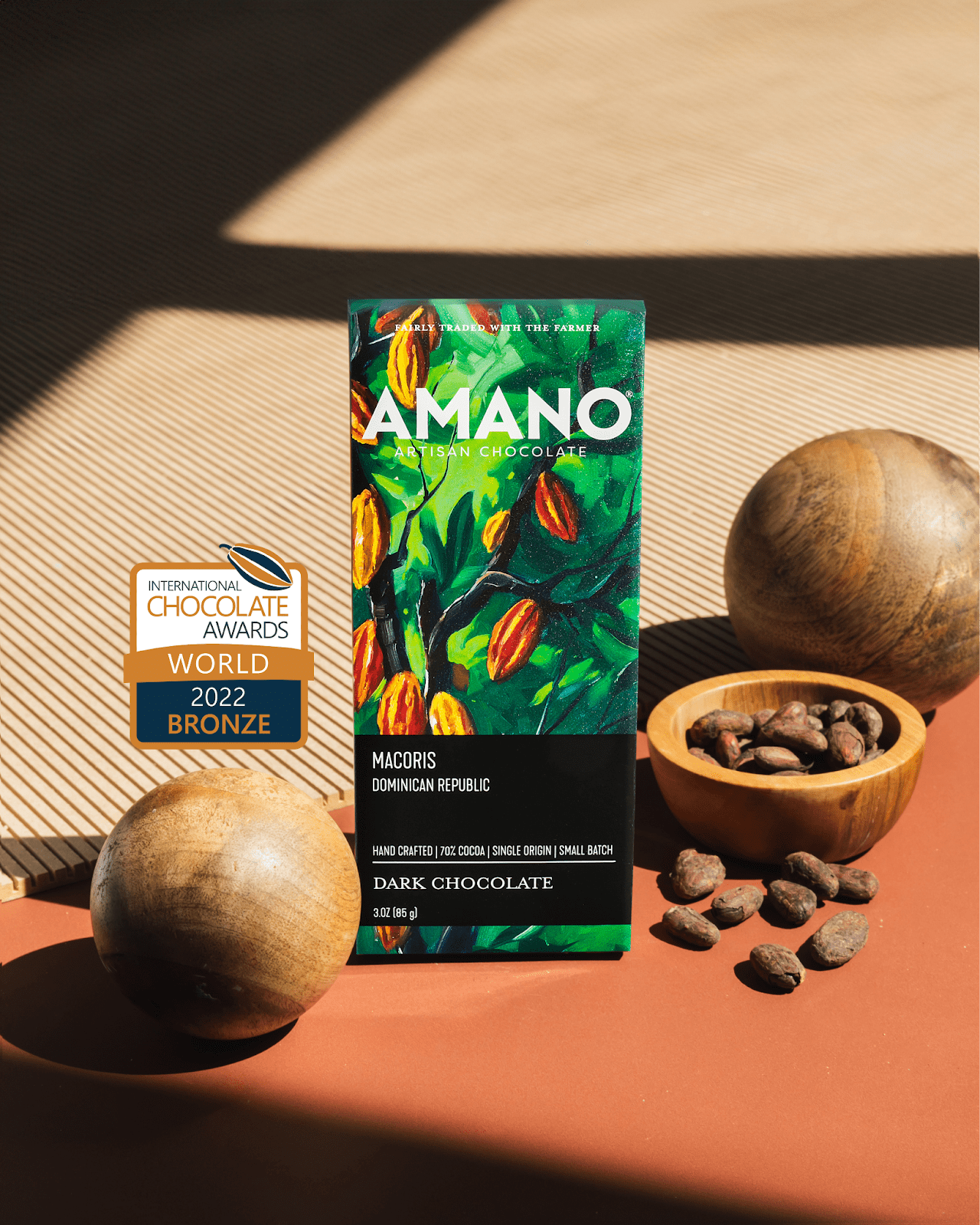
Amano Artisan Chocolate bar with a 2022 International Chocolate Awards Bronze medal, displayed with cocoa beans and wooden spheres.

What makes chocolate kosher — or not?

Kosher chocolate requires precision at every stage of production. While raw cacao beans naturally qualify as kosher, turning them into a finished chocolate bar introduces complexities that must align with the detailed requirements of kashrut.

Every ingredient matters

One of the most critical steps involves verifying every ingredient. Chocolate contains more than cacao and sugar. Additives like lecithin, dairy solids, and flavor extracts can all impact kosher status. Lecithin might come from soy, sunflower, or egg yolk — each must originate from a kosher-certified source. 

Even vanilla extract often contains alcohol, which must be derived through kosher-approved fermentation or distillation methods. Milk ingredients must come from kosher animals and undergo rabbinical oversight from farm to processing.

Equipment influences kosher integrity

Kosher status depends not only on ingredients but also on how and where chocolate is made. Production equipment plays a major role. Many chocolate facilities use shared machinery for various products, including non-kosher items like dairy or gelatin. 

Producers must follow rigorous cleaning protocols to maintain kosher certification and use dedicated equipment when necessary. Some manufacturers even assign entire production lines to kosher chocolate to prevent contamination.

Certification requires full environmental oversight

Kosher certification extends beyond recipes and tools. It includes oversight of the entire production environment. Certification agencies regularly inspect facilities to monitor ingredient sourcing, handling procedures, sanitation standards, and even employee practices. 

For instance, if a spatula touches both dairy and non-dairy chocolate without proper sterilization, even a trace of residue could invalidate an entire batch.

Trusted agencies provide clarity and assurance

Organizations like the Orthodox Union (OU), Kof-K, and Star-K lead kosher certification efforts worldwide. The logos on the chocolate packaging provide consumers with assurance and transparency. These marks represent a commitment to integrity, accountability, and quality throughout the chocolate-making process.

Kosher chocolate reflects care and craftsmanship

A chocolate bar carrying kosher certification tells a story of thoughtful sourcing, responsible production, and deep respect for tradition. Whether someone seeks kosher products for spiritual observance or values the discipline behind them, certified chocolate offers confidence, cleanliness, and character in every bite.

Pareve vs. dairy kosher chocolate

Kosher chocolate falls into two main categories: pareve and dairy. This distinction matters for anyone observing kosher dietary laws and also serves consumers with specific food preferences or restrictions.

Pareve

Pareve chocolate contains no meat or dairy ingredients and undergoes production on equipment free from dairy contact. Because pareve products remain neutral, they fit seamlessly into kosher meals, whether served with meat or dairy. 

Achieving true pareve status requires exceptional care. Chocolate must exclude ingredients like butterfat, milk powder, or whey and remain uncontaminated by residual traces on machinery. Many chocolate makers dedicate separate production lines to maintaining that standard.

This level of separation makes pareve chocolate appealing far beyond religious observance. People with lactose intolerance, dairy allergies, or vegan lifestyles often gravitate toward pareve options. For them, kosher certification provides extra assurance that no hidden dairy derivatives slip through the process.

Dairy kosher chocolate

In contrast, dairy kosher chocolate includes milk or milk-based ingredients that kosher certifiers have approved. Even if a chocolate bar contains no obvious dairy ingredients, it still counts as dairy if produced using equipment also used for dairy processing. 

In the kosher system, indirect contact carries the same weight as direct inclusion. That’s why certification agencies closely monitor not only ingredients but also the entire production environment to confirm a chocolate’s dairy status.

Kosher labeling clarifies this distinction. A symbol like “OU-D” signifies kosher dairy, while “OU” alone or “OU Pareve” signals a dairy-free product. Other certifying bodies, such as Kof-K or Star-K, follow similar labeling conventions. Shoppers who know what to look for can quickly make informed choices at a glance.

Understanding whether a chocolate is pareve or dairy affects everything from meal planning to gift-giving. With proper labeling and certification, kosher chocolate makes it easier to accommodate a wide range of diets while maintaining trust in the product’s integrity and flavor.

How kosher certification benefits all consumers

Kosher certification delivers practical advantages that elevate the chocolate experience for everyone. Whether you follow kosher dietary laws or simply value transparency and quality, certified chocolate gives you confidence in every bite.

Kosher standards raise the bar 

Kosher certification introduces a level of discipline that strengthens every stage of chocolate production. Certifying agencies oversee the entire ecosystem in which chocolate takes shape. Their inspections extend from the supply chain to the production floor, ensuring that every element aligns with kosher principles and industry best practices.

Inspectors examine sourcing documentation to confirm that each ingredient meets kosher standards, from lecithin and vanilla extract to more obscure processing aids. They also evaluate supplier integrity, checking that each partner follows transparent, ethical protocols. This encourages brands to maintain a cleaner, more accountable ingredient chain.

Within the factory, kosher inspectors assess sanitation procedures with a level of scrutiny that surpasses most standard food safety audits. Equipment must be thoroughly sterilized between batches, especially when switching from dairy to pareve production. Storage areas, utensils, and packaging stations must remain organized and free from cross-contamination. Even water sources and temperature control systems receive attention.

These evaluations involve ongoing supervision, surprise audits, and real-time problem-solving. Kosher-certified companies commit to continuous compliance, which fosters a culture of consistency and excellence. 

The result benefits every consumer. Whether motivated by religious values or a desire for better food standards, buyers receive chocolate crafted with care, oversight, and a deep respect for purity.

Clear labeling builds trust 

When a product displays a kosher certification symbol, it signals more than religious compliance. It reflects a commitment to full transparency. These symbols instantly communicate whether a product qualifies as dairy, pareve, or meets other dietary standards, helping shoppers make informed choices without second-guessing.

This level of labeling provides confidence and peace of mind for individuals with dietary sensitivities, food allergies, or ethical preferences. Kosher-certified brands often adopt a more detailed approach to packaging, including sourcing disclosures, allergen warnings, and notes about equipment used in processing. 

Many go further by outlining their handling procedures, verifying cross-contamination controls, or listing whether ingredients like lecithin, flavorings, or emulsifiers meet specific purity standards.

This attention to detail makes product selection easier, especially for consumers who prioritize clean ingredients or follow multiple dietary rules. Instead of decoding complicated ingredient lists, shoppers receive clear, reliable guidance from symbols and accompanying disclosures. 

In an increasingly complex food market, that kind of clarity builds lasting trust between makers and their customers.

Certified chocolate fits more lifestyles 

Many pareve chocolates work well for people who avoid dairy, whether for health, allergy, or personal reasons. Kosher labeling often overlaps with vegetarian, gluten-free, and allergen-conscious needs, offering something for a wider audience.

When you choose kosher-certified chocolate, you support brands that prioritize integrity, traceability, and excellence. This added layer of accountability makes a noticeable difference on the label and in the flavor.

Amano Chocolate and kosher standards

Amano Artisan Chocolate bars with cocoa nibs, sea salt, and dark chocolate, surrounded by cocoa beans and chocolate pieces.

Amano Chocolate brings craftsmanship, transparency, and integrity to every bar, and its kosher certification reflects that dedication. A handful of selections in the Amano collection carry kosher certification, offering chocolate lovers an option that aligns with both dietary values and elevated taste.

Amano’s commitment starts with sourcing. The team works directly with cacao growers in renowned regions such as Madagascar, Venezuela, and Ecuador, selecting beans with distinct character and exceptional quality. 

Each step — from fermentation to roasting and conching — honors the cacao’s natural flavor. Every ingredient used in Amano chocolate meets strict quality requirements, with no shortcuts, fillers, or artificial enhancements.

Kosher certification supports this high standard. Amano follows clean production practices, ensuring ingredients remain pure and equipment stays free from cross-contamination. The company works with trusted certifying bodies to maintain full compliance and uphold consumer trust. 

You will find clear labeling on certified products, which makes it easier to choose chocolate that matches your needs and preferences.

Kosher certification plays a role in a much larger story at Amano. It represents a promise to craft chocolate with honesty, excellence, and respect for the people who grow the beans and the individuals who enjoy the final creation. Whether you seek ethical sourcing, refined taste, or a brand that prioritizes every detail, Amano delivers.

Shop all Amano chocolate and experience the artisan difference.