
Amano Artisan Chocolate FAQ
About Amano Artisan Chocolate
What does “Amano” mean?
What makes Amano different from other chocolate brands?
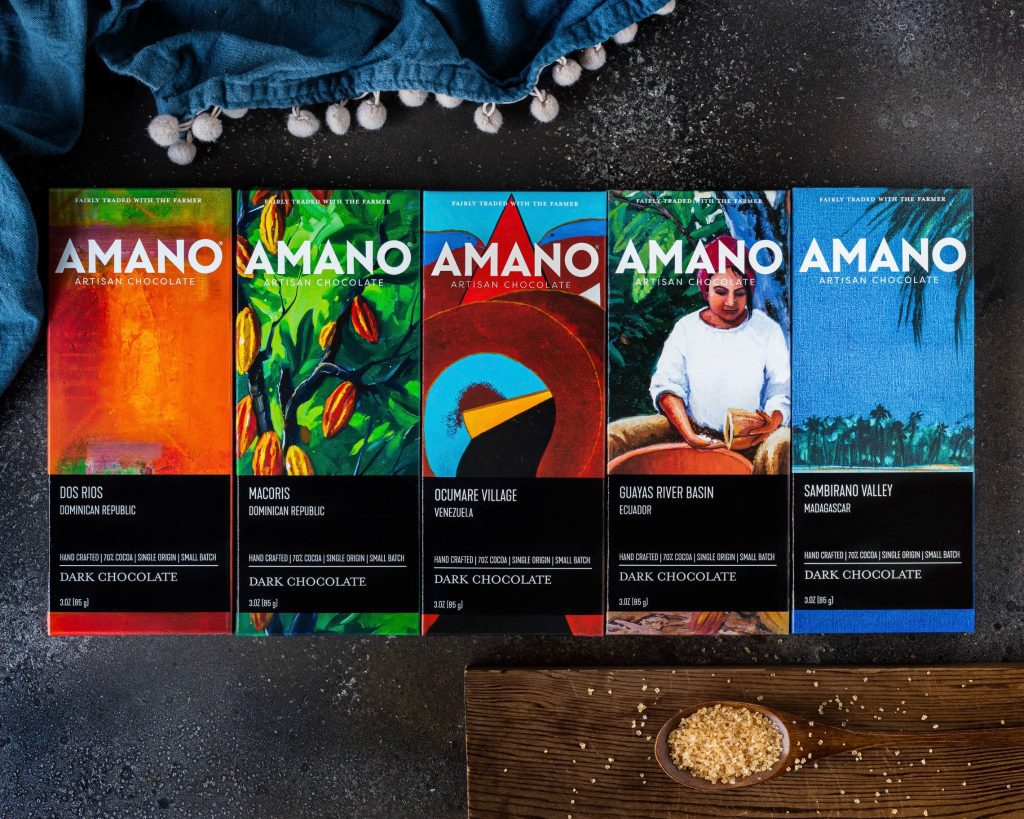
Amano focuses on flavor first. That means sourcing distinctive cacao, making chocolate in small batches, and taking the time needed to develop texture, aroma, and balance. Instead of optimizing for speed or volume, Amano prioritizes the character of the origin and a clean, expressive finish in every bar.
Where is Amano made?
Is Amano kosher certified?
Is Amano Fair Trade certified?
Chocolate’s history includes serious ethical challenges, including pricing systems that have left many cacao farmers underpaid and vulnerable.
At Amano, we focus on building responsible sourcing relationships by paying farmers and co-ops significantly more than typical “fair trade” minimums.
Because certification is costly and difficult for many growers to obtain, we prioritize paying premium prices for premium cacao — often several times the London Cocoa Terminal Market price — to support quality, stability, and long-term farm improvement.
Is Amano “Belgian-style” chocolate?
How long do you conch your chocolate?
Understanding gourmet, artisan, and premium chocolate
What makes chocolate “gourmet” vs. regular chocolate?
What does “artisan chocolate” mean?
Artisan chocolate makers use a hands-on, small-batch approach that prioritizes craft. Makers focus on sourcing, roasting, refining, and conching choices that highlight flavor, rather than producing the most uniform, high-volume product possible.
What are “premium chocolate bars”?
“Premium chocolate bars” generally offer higher-quality cacao, fewer unnecessary ingredients, and greater transparency about sourcing and processing. Many premium bars also emphasize origin character, tasting notes, and a better melt and snap.
What does “small-batch” chocolate mean?
Small-batch means the maker produces chocolate in limited runs. This approach supports tighter quality control and allows the maker to adjust the process to suit the cacao, which is especially important for origin-driven flavor.
What does “bean-to-bar” mean?
What does “single-origin chocolate” mean?
What’s the difference between “single-origin” and “single-estate”?
Dark chocolate and cacao percentage, explained
What is dark chocolate?
Are dark chocolate bars healthier?
Dark chocolate contains more cacao-derived compounds than milk chocolate, but “healthier” depends on your diet, portion size, sugar content, and ingredients. For most people, the best approach is to enjoy dark chocolate as a high-quality treat, not a supplement.
What does 70% cacao mean?
Does a higher cacao percentage mean better chocolate?
Why do two 70% bars taste so different?
How to taste chocolate and understand flavor notes
What are “flavor notes” in chocolate?
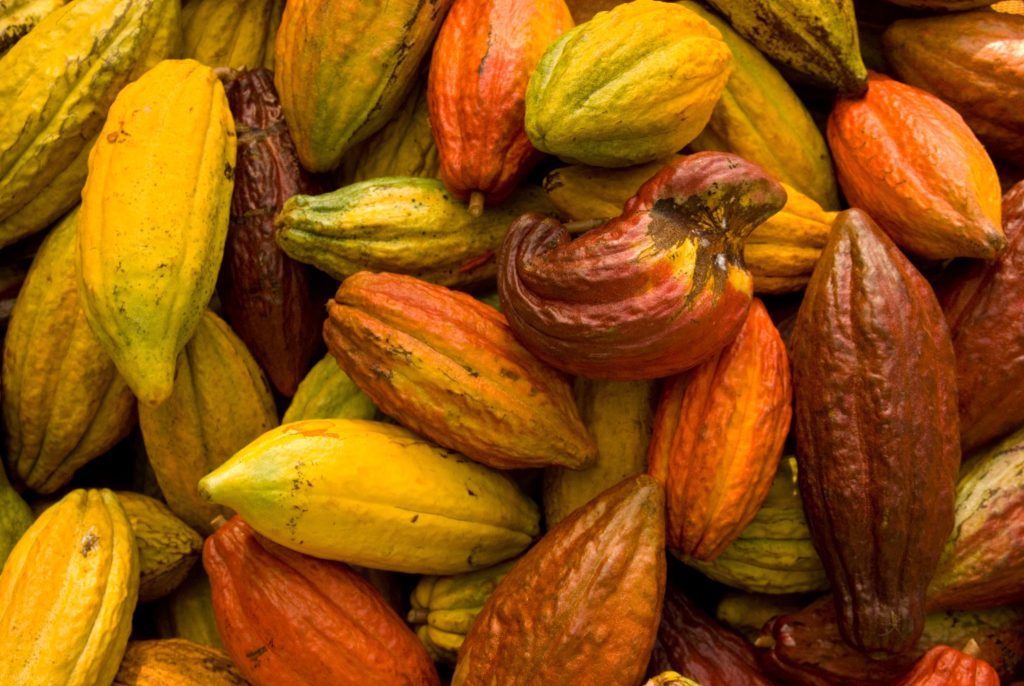
Flavor notes describe the natural aromas and tastes you may perceive when you smell and taste chocolate. Common notes include red fruit, citrus, honey, caramel, nuts, floral aromatics, spice, and deep cocoa tones.
Are flavor notes added to the chocolate?
How should I taste chocolate like a pro?
What is terroir in chocolate?
Choosing between flavored bars and single-origin dark bars
What’s the difference between flavored chocolate and single-origin dark chocolate?
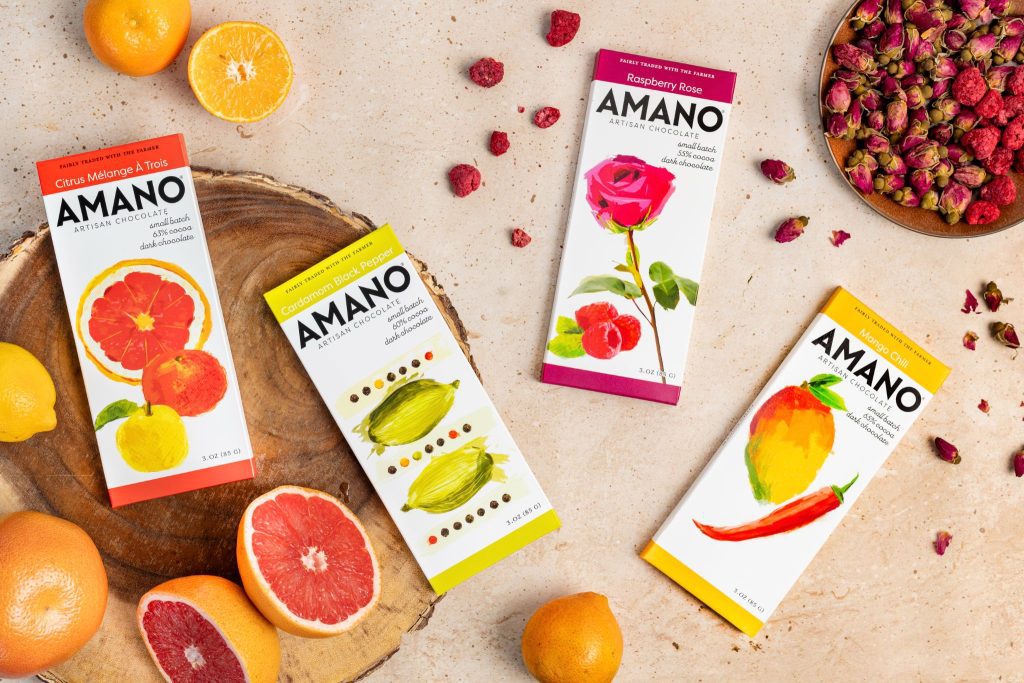
Single-origin dark chocolate highlights the cacao’s natural character. Flavored bars add ingredients like sea salt, citrus, spices, nuts, or inclusions that create a new profile. Both are exceptional, but they offer different experiences.
Do flavored bars hide the taste of the cacao?
Which should I choose: flavored or dark?
What chocolate awards mean and how judging works
What are chocolate awards?
Chocolate awards are competitions where experts evaluate chocolate for quality, craftsmanship, and flavor. Judges typically taste products blind and score them across consistent categories like aroma, texture, balance, and finish. Awards help shoppers identify well-made bars, but personal preference still matters.
Which organizations give chocolate awards?
What criteria do judges use to score chocolate?
Judges often score chocolate on aroma, flavor clarity, balance (sweetness, acidity, bitterness), texture and melt, aftertaste, and whether the bar expresses its origin or intended style. They may also consider defects like grittiness, smoke, excessive bitterness, or off-flavors from poor fermentation.
Do awards focus more on flavor or appearance?
Flavor and texture usually carry the most weight, but appearance matters too. Judges often look for proper temper (gloss and snap), clean molding, and a smooth finish. Visual flaws rarely outweigh great flavor, but they affect final scoring.
Does winning an award mean a chocolate is “the best”?
Not necessarily. Awards usually indicate strong craftsmanship and high quality, but “best” depends on what you like. A bright, fruity bar might win for complexity, while someone else may prefer a deeper, more cocoa-forward profile. Awards are a helpful guide, not a guarantee.
Storing chocolate
What’s the best way to store chocolate?
Store chocolate in a cool, dry place away from strong odors. Aim for stable temperatures and low humidity. If refrigerating, wrap it airtight and let it come to room temperature slowly to prevent condensation.
What is the white coating on my chocolate?
That’s usually bloom. Fat bloom happens when cocoa butter crystals shift and rise to the surface. Sugar bloom occurs when moisture dissolves sugar, which then recrystallizes. Bloom looks different, but it doesn’t usually make chocolate unsafe to eat.
Common chocolate terms and what they mean
What is the difference between “cacao” and “cocoa”?
In everyday usage, cacao often refers to the raw plant and beans, while cocoa refers to processed products like cocoa powder. Many brands use the terms interchangeably, so context matters.
What is cocoa butter?
Cocoa butter is the natural fat from the cacao bean. It contributes to chocolate’s melt, texture, and silky mouthfeel.
What is conching?
What is tempering?
Tempering is the process of stabilizing cocoa butter crystals so that chocolate sets with a glossy finish and clean snap, and it resists melting or blooming as quickly.