Host a chocolate tasting party, and you instantly turn an ordinary gathering into something unforgettable. Instead of the usual snacks, you give your guests a chance to explore flavors, share discoveries, and connect over an indulgence everyone loves.
Artisan chocolate sets the stage for this experience. Each single-origin chocolate bar captures the character of its region and is shaped by soil, climate, and farming traditions. Small-batch craftsmanship preserves those qualities, delivering flavors that surprise and delight. One bite sparks conversation; another inspires curiosity.
This guide covers everything you need to host a refined and welcoming tasting. You’ll learn how to select the right lineup of bars, create the perfect atmosphere, and guide your guests through an experience that lingers long after the last piece is gone.
Why choose artisan chocolate for your tasting
Artisan chocolate creates a tasting experience that mass-market bars cannot match. While factory-made chocolate often relies on heavy sugar and additives for consistency, artisan makers focus on flavor integrity and craftsmanship. The difference shows in every bite.
Single-origin cacao gives artisan chocolate its depth. Each region imparts unique notes shaped by climate, soil, and cultivation. A bar made with beans from Madagascar might reveal bright fruit and citrus, while one from Venezuela could deliver wine-like richness or subtle spice.
Small-batch methods preserve these qualities, ensuring the bean’s character remains at the forefront.
Every artisan bar tells a story. From the terroir that shapes the cacao to the careful roasting, conching, and tempering, the process reflects dedication to flavor and authenticity. Texture, aroma, and finish work together to create a tasting experience that feels intentional, layered, and memorable.
When you select artisan chocolate for your tasting, you invite your guests to explore complexity and discover the craftsmanship behind each origin. Instead of offering something ordinary, you share chocolate that celebrates its journey from bean to bar.
Plan your guest list and atmosphere
An artisan chocolate tasting is most engaging when the group remains small and intimate. Aim for six to ten guests. This size allows everyone to share impressions, ask questions, and enjoy meaningful conversation without feeling crowded. Larger groups often dilute the experience and make it harder to focus on the subtle details of each bar.
Choose a space that supports focus and comfort. Neutral lighting helps guests see the chocolate’s true color and texture, while a quiet environment keeps their attention on the tasting itself. Avoid strong scents, bright lights, or background noise that distract from flavor and aroma.
Set the mood with thoughtful touches that make the gathering feel both relaxed and refined. Soft background music creates ambiance without overwhelming the senses. Elegant tableware, such as small plates, glass tumblers, and tasting spoons, adds a sense of occasion.
Provide tasting cards or notebooks so guests can record their impressions as they move through the lineup. These details encourage deeper engagement and make the evening memorable.
Selecting your gourmet chocolate lineup
A successful tasting begins with a thoughtful selection of bars. Choose a variety of single-origin chocolates to showcase how terroir shapes flavor. Regions like Madagascar, Venezuela, Ecuador, and the Dominican Republic each offer distinct profiles, ranging from citrus brightness to earthy depth and warm spice. This mix helps your guests experience cacao’s true diversity.
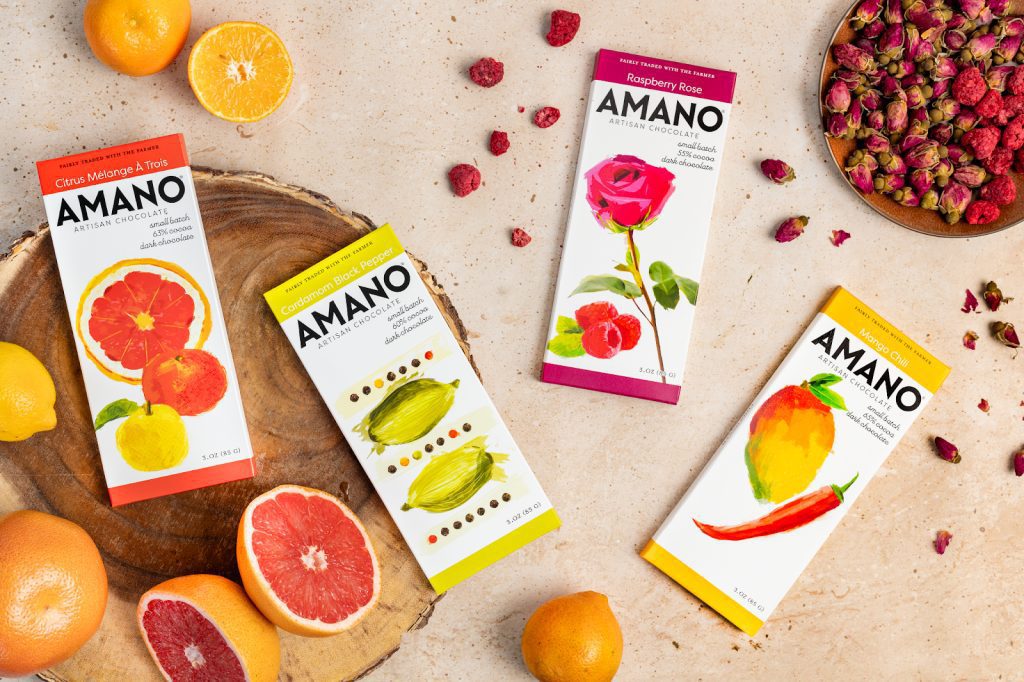
Include a few flavored bars with inclusions such as raspberry, citrus zest, or spices to keep the tasting dynamic. These additions provide contrast to the pure single-origin chocolate and highlight how complementary ingredients enhance chocolate’s natural complexity.
For fairness and focus, keep the cacao percentage consistent across your lineup. Selecting 70% bars from different regions ensures that your comparisons highlight the differences in origin rather than sweetness levels. This approach sharpens the palate and makes the progression of flavors easier to follow.
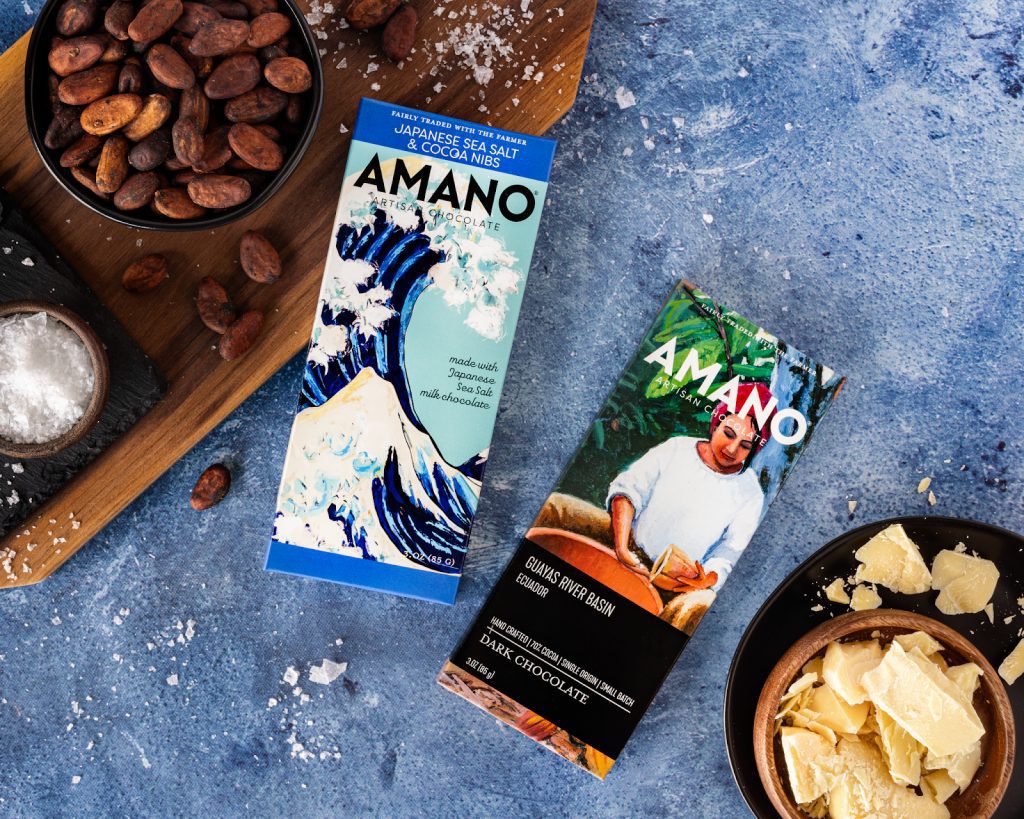
Finally, feature a brand committed to small-batch craftsmanship, like Amano Artisan Chocolate. A dedication to sourcing rare cacao and preserving its integrity guarantees a tasting experience rich in authenticity and depth. With Amano, every bar tells a story worth savoring.
Preparing for the tasting
Setting the stage for your tasting makes all the difference. Start by serving your chocolate at the ideal temperature, between 65 and 70 degrees Fahrenheit. Chocolate that is too warm feels soft and loses snap, while chocolate that is too cold mutes its aromas and flavors.
Break each bar into small, even squares so guests experience a uniform bite. Presentation matters, but portioning also helps ensure everyone samples enough to notice subtle flavor shifts without overwhelming the palate.
Keep palate cleansers on hand to refresh taste buds between samples. Still water works well, but sparkling water adds a cleansing effervescence. Unsalted crackers or pieces of plain bread also provide a neutral reset, helping guests appreciate the nuances of each new chocolate.
Step-by-step tasting guide for guests
A chocolate tasting works best when everyone slows down and engages each sense. This simple guide helps your guests experience each bar fully.
Look
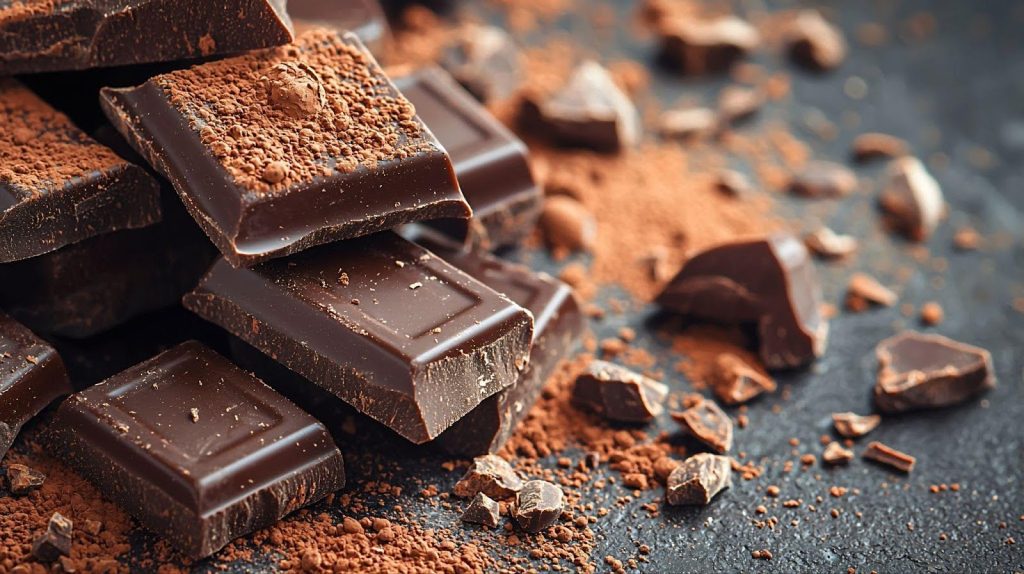
Begin by examining the chocolate’s surface. A glossy sheen and even color suggest proper tempering, while streaks or dullness may signal imperfections.
Snap
Break off a piece and listen. A clean, crisp snap shows well-tempered chocolate with the right balance of cocoa butter and structure.
Smell
Hold the piece close and inhale. Notice the aromas — fruit, spice, floral notes, toasted nuts, or earthy undertones. The fragrance often hints at what flavors will emerge once the chocolate melts.
Taste
Place a square on your tongue and let it melt slowly. Pay attention as flavors unfold in layers, from the initial burst to the lingering finish. Notice the balance of acidity, sweetness, bitterness, and texture.
Reflect
After each sample, jot down impressions and compare with others. Encourage discussion about flavor notes, texture, and overall experience. Sharing perspectives not only deepens appreciation but also makes the tasting more engaging and memorable.
Pairings to elevate the experience
Wine pairings
Chocolate and wine share natural affinities that make them ideal partners. Red wines such as Pinot Noir and Merlot balance beautifully with the richness of dark chocolate, bringing out fruit and spice notes.
Sparkling wines add a lively contrast to creamy or citrus-infused chocolate, while dessert wines highlight deeper caramel or nutty tones. Matching each bar with the right varietal enhances complexity and leaves a lasting impression.
Non-alcoholic pairings
For guests who prefer alcohol-free options, chocolate pairs wonderfully with coffee, tea, or fruit-infused water. A bold espresso sharpens the intensity of darker chocolate bars, while a delicate green tea complements floral or citrus origins. Infused waters with berries, citrus slices, or herbs provide a refreshing reset between tastings without overwhelming the palate.
Tips for matching flavors
Think of pairings as a way to harmonize or contrast. Bright, citrus-forward chocolate works best with crisp wines or sparkling beverages that highlight acidity. Earthier, richer chocolate shines with bold reds that mirror its depth. Flavored bars with inclusions like raspberry or spice often pair best with wines or teas that echo or balance those notes.
A thoughtful match transforms tasting into an exploration where both chocolate and beverage elevate each other.
Making it interactive and fun
Chocolate tastings shine when guests feel engaged. Adding playful elements keeps the experience lighthearted while deepening appreciation for each flavor.
Blind tastings
Invite guests to sample chocolate without knowing its origin. Ask them to guess the country, region, or even the cacao percentage. This exercise sparks lively conversation and encourages everyone to trust their senses.
Flavor wheels
Provide a chocolate flavor wheel to help guests identify notes more easily. With categories like fruity, floral, nutty, and earthy, the wheel guides tasters toward specific descriptors and makes the process approachable, even for beginners.
Prizes and take-home gifts
Offer small rewards for correct guesses in the blind tasting or for the most creative flavor description. Send guests home with artisan chocolate bars or curated bundles so the experience continues beyond the event.
Weaving in these interactive touches turns a simple tasting into a memorable celebration of flavor, discovery, and connection.
Elevate your tasting with Amano Artisan Chocolate
A well-planned chocolate tasting party creates more than a gathering; it sparks discovery, connection, and delight in every bite. When you choose artisan chocolate, you give your guests an experience filled with complexity, origin stories, and flavor worth remembering.
For a lineup that impresses every palate, turn to Amano Chocolate. Each bar reflects the unique terroir of its origin, crafted in small batches to preserve depth and character.
Whether you feature our single-origin chocolates from Madagascar or Venezuela, or surprise guests with flavor-rich inclusions like Raspberry Rose, Amano delivers integrity and excellence in every square.
Make your tasting unforgettable. Share chocolate that tells a story, pairs beautifully with wine, and leaves a lasting impression. Shop Amano and taste chocolate the way it was meant to be.