Most people think of chocolate as being divided into milk and dark. These familiar varieties fill grocery aisles, gift baskets, and vending machines. While they offer comfort and nostalgia, they barely begin to represent what chocolate truly offers.
The vast majority of commercial chocolate focuses on consistency and sweetness, often at the expense of flavor complexity, transparency, and craftsmanship.
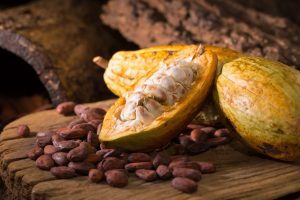
Artisan chocolate reveals a much wider and richer world — one rooted in origin, shaped by process, and elevated through skill. When chocolate makers work with high-quality, ethically sourced cacao, they uncover flavor notes that surprise and delight.
You might taste vibrant citrus, red berries, toasted nuts, or fragrant florals. Some bars introduce subtle spice, hints of tobacco, or even a whisper of earthiness.
These flavors don’t come from added extracts or synthetic enhancements. They develop naturally through the terroir of the growing region, the fermentation process, and the maker’s choices at every stage — from roasting and grinding to conching and molding.
Craft chocolate invites you to slow down and taste with purpose. It challenges the idea that chocolate is a one-note indulgence and instead celebrates it as a food with nuance, depth, and story. Each bar offers a glimpse into the place it came from and the people who brought it to life.
In this blog, you’ll explore the incredible range of flavors found in bean-to-bar chocolate. You’ll learn how origin, technique, and creativity shape the final product. Whether you’re curious about single-origin bars, eager to try bold inclusions, or ready to refine your tasting skills, this guide will help you move beyond milk and dark and discover the true potential of chocolate.
Understanding the flavor spectrum
Artisan chocolate offers a flavor spectrum that surprises even the most seasoned chocolate lovers. Unlike industrial chocolate, which often focuses on sweetness and consistency, small-batch chocolate celebrates variety, nuance, and complexity. Every bean carries its own identity, shaped by nature and refined through skilled craftsmanship.
Flavor wheels
With one bite, you might taste bright berries, roasted nuts, fragrant florals, warming spices, or deep, earthy undertones — all without any added flavoring or artificial ingredients.
Chocolate makers and enthusiasts often use flavor wheels to help explain these flavor variations. These tools, similar to those used in wine and coffee tasting, categorize the wide range of natural flavor notes found in cacao.
Fruity tones may bring to mind raspberry, citrus zest, or tropical mango. Floral notes might echo jasmine, violet, or chamomile. Nutty profiles could suggest toasted almonds, hazelnuts, or even peanut butter.
Some chocolates lean toward earthy or savory elements like tobacco, mushroom, leather, or wood. Each note emerges from the bean itself, shaped by the soil where it grew and the careful steps taken to preserve its character.
Terroir — not simply for coffee or wine
Terroir plays a central role in defining chocolate’s flavor. The environment where cacao grows — soil composition, rainfall patterns, altitude, temperature, and surrounding vegetation — all contribute to how the bean matures. A tree growing in the lush hills of Madagascar produces cacao with entirely different qualities than one planted in the mountains of Peru.
Farmers influence the final flavor through their fermentation and drying practices, which unlock or enhance specific notes. Once the beans reach the chocolate maker, roasting choices add another layer of influence. Light roasts may preserve floral and fruity notes, while darker roasts can amplify caramelized, nutty, or bold earthy flavors.
Percentage is important
While many people focus on cacao percentage, origin plays a more critical role in determining taste. A 70% bar made with Madagascan cacao can taste sharp, tangy, and citrusy, while a 70% bar from Venezuela may offer a completely different experience, with deep, wine-like richness, gentle spice, and a long, smooth finish.
The percentage tells you how much cacao is in the bar, but origin reveals the bean’s soul.
When you explore chocolate through the lens of flavor, you move beyond sweetness. You begin to understand how geography, farming, and artistry create a sensory experience unlike anything else. Every bar becomes a story, and every bite invites you to discover the diverse, expressive world of real chocolate.
Single-origin bars: A taste of place

Single-origin chocolate invites you to experience cacao as a product of place. Rather than blending beans from multiple regions, chocolate makers focus on a single geographic location — sometimes even a single farm or cooperative.
This approach preserves the unique flavor profile of the cacao and allows the chocolate to express the soil, climate, and culture of its origin. When you bite into a single-origin bar, you taste a distinct landscape, a harvest, and a story that begins with the land and ends with the maker’s touch.
Cacao absorbs the character of its environment. Soil composition, altitude, weather patterns, and surrounding flora all play a role in shaping flavor. Rainfall influences sweetness and acidity. Sun exposure affects how quickly beans mature. Even the type of trees that grow nearby can subtly influence the final taste of the cacao.
Makers who understand these conditions craft their process to bring those nuances forward, highlighting what makes that region’s beans truly special.
Every step of the chocolate-making process aims to preserve the bean’s identity. Fermentation helps develop its natural acidity or roundness. Roasting draws out bright or bold notes depending on the origin. Grinding and conching refine the texture and bring the flavor into balance.
By tailoring each phase of production to suit a single bean, chocolate makers bring clarity and expression to the final product.
The differences between origins are often dramatic. Cacao from Madagascar often bursts with tart red berries, lemon zest, and subtle florals to taste bright, vibrant, and tangy.
Venezuelan beans lean dark and luxurious with notes of dried fruit, warm spice, and rich cocoa. Ecuadorian cacao might taste earthy and bold, with touches of wildflower or wood smoke. Peruvian beans frequently showcase a nutty, creamy profile with soft sweetness and gentle acidity.
None of these flavors comes from additives. They live in the bean, waiting for the right maker to unlock them.
Single-origin chocolate rewards curiosity. It challenges your palate and opens the door to deeper appreciation. You don’t need to travel to tropical farms to experience global flavor — each bar offers a passport to a different origin. By tasting across regions, you begin to recognize the diversity within cacao and the artistry required to honor it.
When you choose single-origin chocolate, you support traceability, sustainability, and the preservation of cacao diversity. More than that, you choose to taste chocolate as nature intended — authentic, unblended, and rich with the voice of its place.
Inclusion bars: Where craft meets creativity
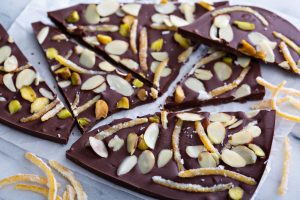
Inclusion bars take chocolate beyond the familiar and turn it into a playground for flavor, texture, and imagination. Instead of relying solely on the natural profile of the cacao, makers introduce complementary ingredients to add contrast, enhance complexity, or spark curiosity.
These additions might include sea salt, chili, herbs, spices, nuts, coffee, or dried fruit — each selected with intention and contributing something unique to the final bite.
Artisan chocolatiers don’t add inclusions solely for novelty. They treat the chocolate as the centerpiece and use the inclusions to highlight and deepen its existing flavor profile.
The best pairings don’t overpower the cacao; they enhance it, amplify its character, or draw out subtle notes that might otherwise go unnoticed. Every ingredient must earn its place, and skilled makers know how to strike the perfect balance between boldness and harmony.
For example, sea salt doesn’t simply add a salty kick. It sharpens the cacao’s natural bitterness, intensifies sweetness, and brings out hidden layers of complexity.
Chili introduces warmth that lingers at the edges, turning a dark chocolate bar into something that unfolds with heat and depth. Lavender adds an aromatic, floral softness that pairs beautifully with white or milk chocolate. Coffee grounds deepen roasted flavors, creating a rich, satisfying intensity that resonates on the palate.
Nuts like hazelnuts, almonds, or pistachios provide contrast in both flavor and texture, while dried fruits such as cherries, figs, or orange peel introduce tartness, chewiness, and a hint of natural sweetness.
Some combinations take flavor exploration to another level. A bar that blends dark chocolate with pink peppercorns surprises with a pop of floral spice that dances across the tongue. A bar with caramelized almonds wrapped in smooth milk chocolate delivers a buttery crunch followed by a rich, velvety finish.
Others might experiment with fennel, ginger, rosemary, or even aged cheese, offering a culinary experience that feels closer to fine dining than traditional snacking.
Inclusion bars speak to the creative spirit of artisan chocolate. They showcase a maker’s ability to think beyond the bean while still respecting its origins. These bars don’t aim to mask flaws or chase trends — they invite meaningful exploration. Each pairing tells a story, often one that blends cultural influences, seasonal ingredients, and the personal tastes of the maker.
When you reach for an inclusion bar, you choose adventure. You taste a conversation between cacao and companion flavors. You support a philosophy that values curiosity, precision, and bold expression. Inclusion bars remind us that chocolate is more than a treat — it is an evolving, edible art form that continues to surprise and inspire with every bite.
White chocolate reimagined

Many people assume white chocolate lacks flavor or depth. That belief usually stems from tasting overly processed versions packed with sugar and artificial ingredients. When chocolate makers craft white chocolate with care, they reveal a rich, complex, and satisfying experience.
Skilled artisans start with real cocoa butter, the golden fat extracted from the cacao bean. They blend it with sugar and milk solids to create a creamy, smooth base that melts effortlessly on the tongue. Although white chocolate doesn’t include cacao solids, it still reflects the ingredients’ quality and the process’s precision.
Artisan makers often use white chocolate as a creative foundation. They add real vanilla bean to introduce warm, floral notes with a hint of smokiness. Some experiment with cardamom to bring in soft spice or caramelized milk solids to deepen the flavor with a nutty, toffee-like richness. These subtle additions build complexity without overshadowing the cocoa butter’s natural elegance.
When you taste high-quality white chocolate, you discover more than sweetness. You feel the texture shift as it melts. You notice how the flavors develop and linger. Every bite invites you to slow down and appreciate the craftsmanship behind it.
By choosing white chocolate made with intention, you unlock its full potential. You experience how simplicity, when treated with respect, creates something truly memorable. In the hands of an artisan, white chocolate earns its place alongside dark and milk as a form of true culinary expression.
Rare and experimental bars
Rare and experimental chocolate bars redefine what chocolate can be. Artisan makers create these one-of-a-kind bars using limited-edition cacao and bold, unexpected ingredients. These creations break from tradition and invite you to taste chocolate in new, exciting ways.
Makers often start with micro-lot cacao from a single farm or harvest. These beans come in small quantities and offer unique, seasonally influenced flavor profiles. Makers roast, grind, and conch these rare beans with extreme precision to capture their full character. Each micro-lot bar becomes a time capsule of flavor, complex, fleeting, and deeply personal.
Experimental bars take creativity even further. Some makers infuse chocolate with ingredients like blue cheese, matcha, or fermented fruit. These bold inclusions introduce flavors that contrast and interact with the cacao’s richness.
A bar infused with blue cheese might offer a savory, creamy finish that plays against deep cocoa tones. Matcha adds grassy, umami complexity, and fermented fruit brings tang, depth, and natural sweetness.
Craftsmanship holds everything together. Makers must balance intensity, texture, and flavor to ensure each bite feels intentional. They fine-tune roasting profiles, adjust sugar content, and manage conching time to let both the chocolate and inclusions shine. Every decision reflects a deep understanding of flavor and a willingness to take risks.
When you taste a rare or experimental bar, you experience more than chocolate. You encounter an edible expression of innovation. You support a maker who values creativity as much as quality. These bars don’t follow rules — they rewrite them. And in doing so, they remind us why craft chocolate continues to surprise and inspire.
How to taste chocolate like a connoisseur
Tasting artisan chocolate requires more than a quick bite. To fully appreciate the craftsmanship and complexity behind each bar, you need to slow down and engage your senses with intention. When you taste with focus, you unlock a deeper, richer experience.
Start by examining the chocolate. Look closely at the surface. A well-made bar will appear smooth and glossy, with no bubbles or cracks. This shine signals proper tempering and attention to detail.
Bring the chocolate to your nose and inhale. Let the aroma guide you. Pick up on the scents — perhaps citrus, nuts, spice, earth, or floral tones. Smelling the chocolate sets the stage for the flavors you’ll soon taste.
Break off a piece and listen. A clean, crisp snap signals quality and a well-executed temper. This sound confirms the chocolate has the right structure and texture.
Place the piece on your tongue and let it melt slowly. Resist the urge to chew. Allow the chocolate to warm up and dissolve naturally. Pay attention to how the texture feels and how the flavors unfold. You might first notice sweetness, followed by layers of fruit, spice, earthiness, or even floral notes. Let each phase of flavor settle in before moving on.
Compare chocolates from different origins to sharpen your palate. Taste a bar from Madagascar alongside one from Venezuela or Peru. Notice how one might feel bright and tangy, while another leans deep and velvety. These contrasts teach you how origin and processing influence taste.
Keep a tasting journal or create a flavor map. Record your observations, preferences, and the flavors you identify. Over time, you’ll build confidence and better understand what excites your palate.
Tasting chocolate like a connoisseur starts with curiosity. When you take the time to explore, you experience chocolate as a form of art — complex, layered, and deeply satisfying.
Delicious Artisan flavors from Amano Chocolate

When you want to experience chocolate at its finest, turn to makers who respect the bean and elevate the craft. Amano Chocolate leads with intention, sourcing exceptional cacao from the world’s most unique regions and transforming it through small-batch techniques that preserve flavor, character, and soul.
Whether you crave the tart brightness of Madagascar cacao or the deep, velvety richness of Venezuela, Amano offers bars that speak directly to the essence of the place.
Explore Amano’s collection if you’re ready to go beyond milk and dark. Taste rare origins, enjoy bold inclusions, and discover what happens when creativity meets uncompromising quality. With Amano, every bite becomes an invitation to savor something real and extraordinary.