Dark chocolate percentages show how much of a finished dark chocolate bar comes from cacao ingredients by weight. A higher percentage usually leaves less room for sugar, though it doesn’t automatically create a more bitter or better bar. Origin also shapes the flavor. Fermentation develops it further. Roasting, refining, and formulation influence the finished chocolate.
What dark chocolate percentages really tell you
A 60% bar and an 85% bar may sit beside each other on the same shelf, yet the numbers only tell part of the story. Many people read cacao percentage as an intensity scale. In practice, it describes the recipe more than the flavor.
Understanding that difference helps you choose a dark chocolate bar more confidently and pay closer attention to the cacao itself.
What dark chocolate percentages actually mean
The percentage on a chocolate label indicates how much of the finished product comes from cacao-derived ingredients by weight.
That total may include:
- Cocoa mass or cocoa liquor: Ground cacao nibs that contain cocoa solids and cocoa butter.
- Added cocoa butter: The natural fat from cacao, which also counts toward the cacao percentage.
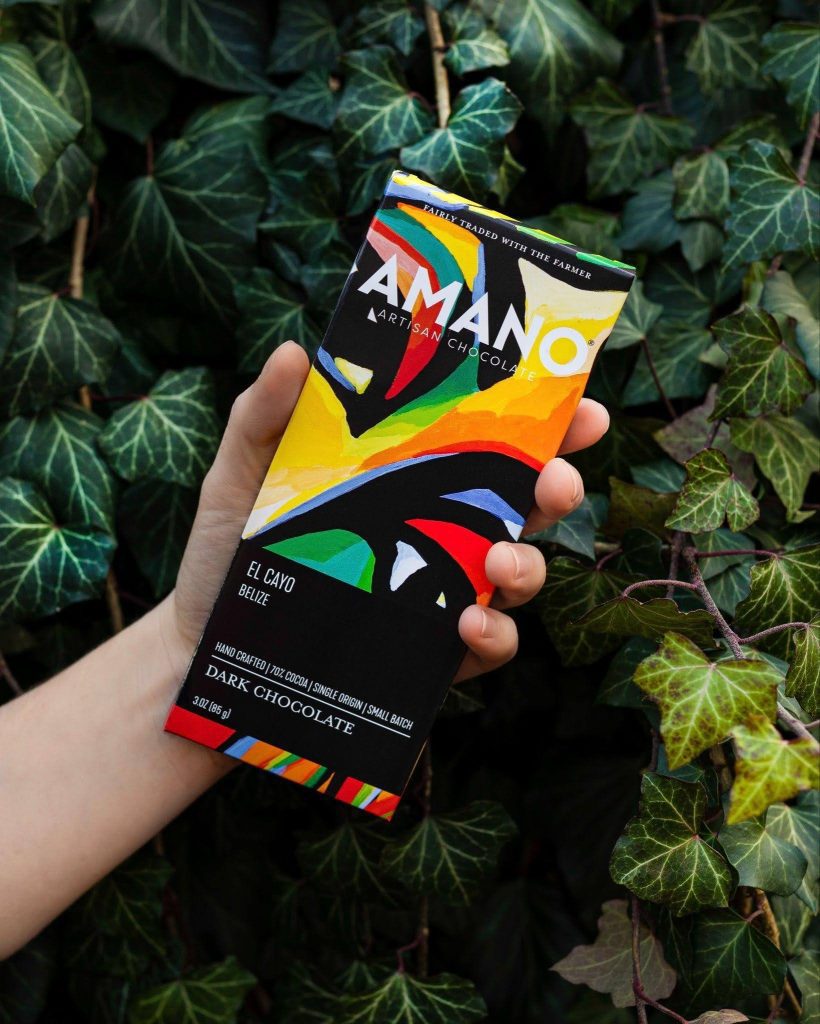
Take a 70% dark chocolate bar as an example. Roughly 70% of the finished bar comes from cacao ingredients. The remaining portion usually includes sugar plus any other ingredients in the recipe.
Two 70% bars may still feel different. One maker may use more cocoa mass. Another may add more cocoa butter for a smoother melt.
The percentage also can’t predict exactly how much dark cocoa flavor you’ll taste. The cacao’s origin and the maker’s formulation have a much stronger influence on the finished profile.
How cacao percentage changes a chocolate bar
As cacao percentage rises, the recipe usually leaves less room for sugar. That shift often makes the cacao more noticeable, though every bar behaves differently.
Here’s a practical guide:
- 50%–60% cacao: Usually sweeter, with a softer cacao presence.
- 60%–70% cacao: More cacao comes forward while noticeable sweetness remains. This range works for eating and baking.
- 70%–75% cacao: Cacao takes a stronger role. This range often works well for tasting single-origin chocolate.
- 80%–90% cacao: Sweetness drops further. The dark cocoa character often feels deeper and more concentrated.
- 90%–100% cacao: Very little sugar remains, or none at all. These bars suit people who enjoy concentrated cacao flavor.
These ranges show general tendencies. A higher number doesn’t guarantee more bitterness.
How to choose a percentage for different uses
The best percentage depends on what you want the chocolate to do.
For eating on its own
Many people enjoy the 65%-75% range for tasting. It leaves enough sweetness for balance while giving cacao room to show through.
An artisan chocolate bar in this range may reveal bright fruit. Another origin may be floral or roasted.
For baking
Look at the sweetness of the full recipe before choosing a bar.
- A sweet cookie dough may pair well with a stronger dark chocolate bar.
- A less-sweet cake may work better with chocolate closer to 60%.
- Brownies often benefit from a percentage that keeps the chocolate flavor clear after baking.
For ganache and sauces
Higher-cacao chocolate usually creates a stronger chocolate presence. Lower percentages bring more sweetness.
For tasting single-origin chocolate
Compare bars with similar percentages. Two bars at around 70% make it easier to notice how the origin changes the flavor without introducing a major difference in sweetness.
Why do two bars with the same percentage taste different
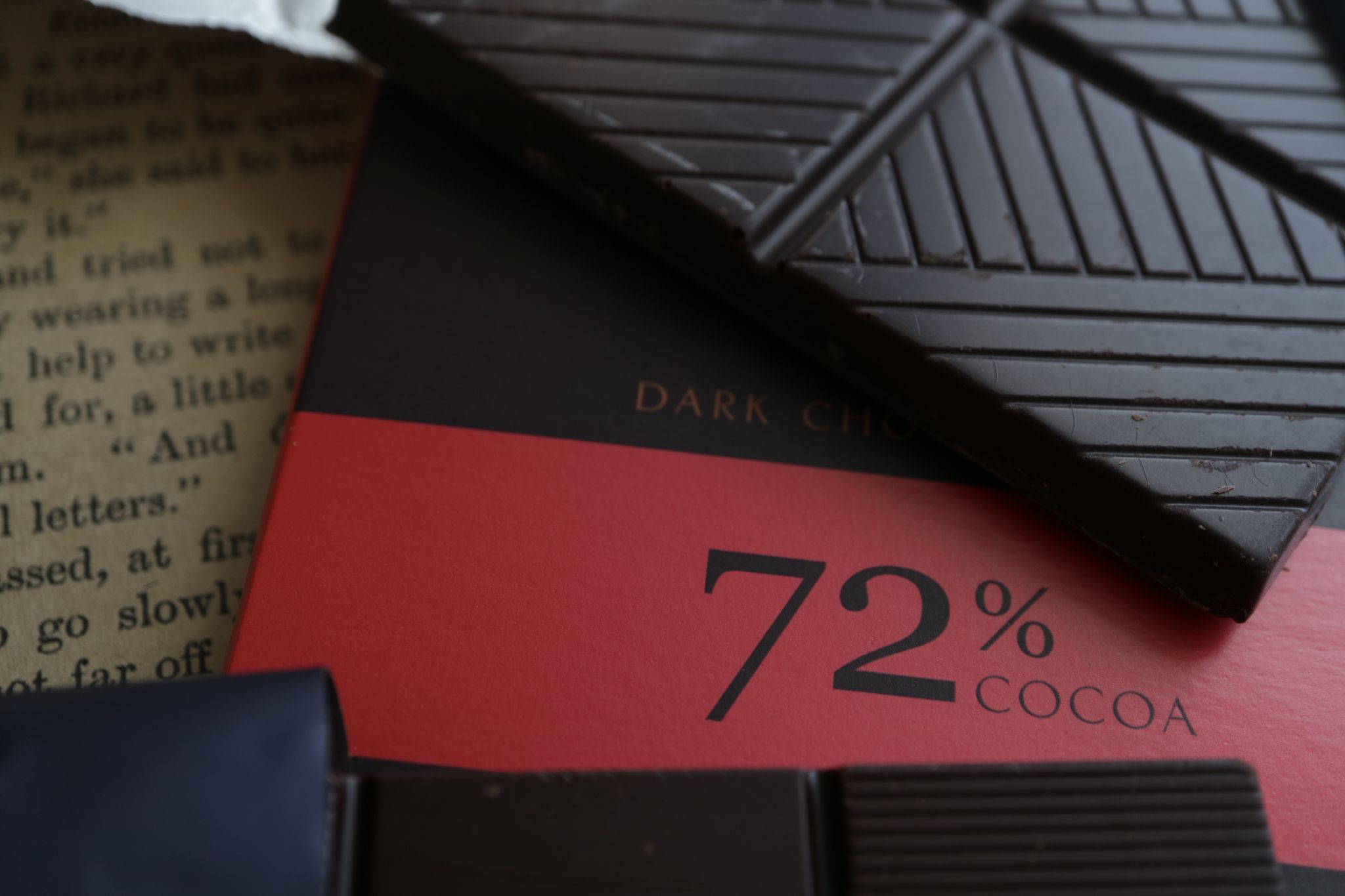
Cacao percentage gives you a useful reference point, but it doesn’t define the flavor. Two 70% bars may taste very different because the chocolate-making process shapes how the cacao expresses itself.
Several factors influence the final profile:
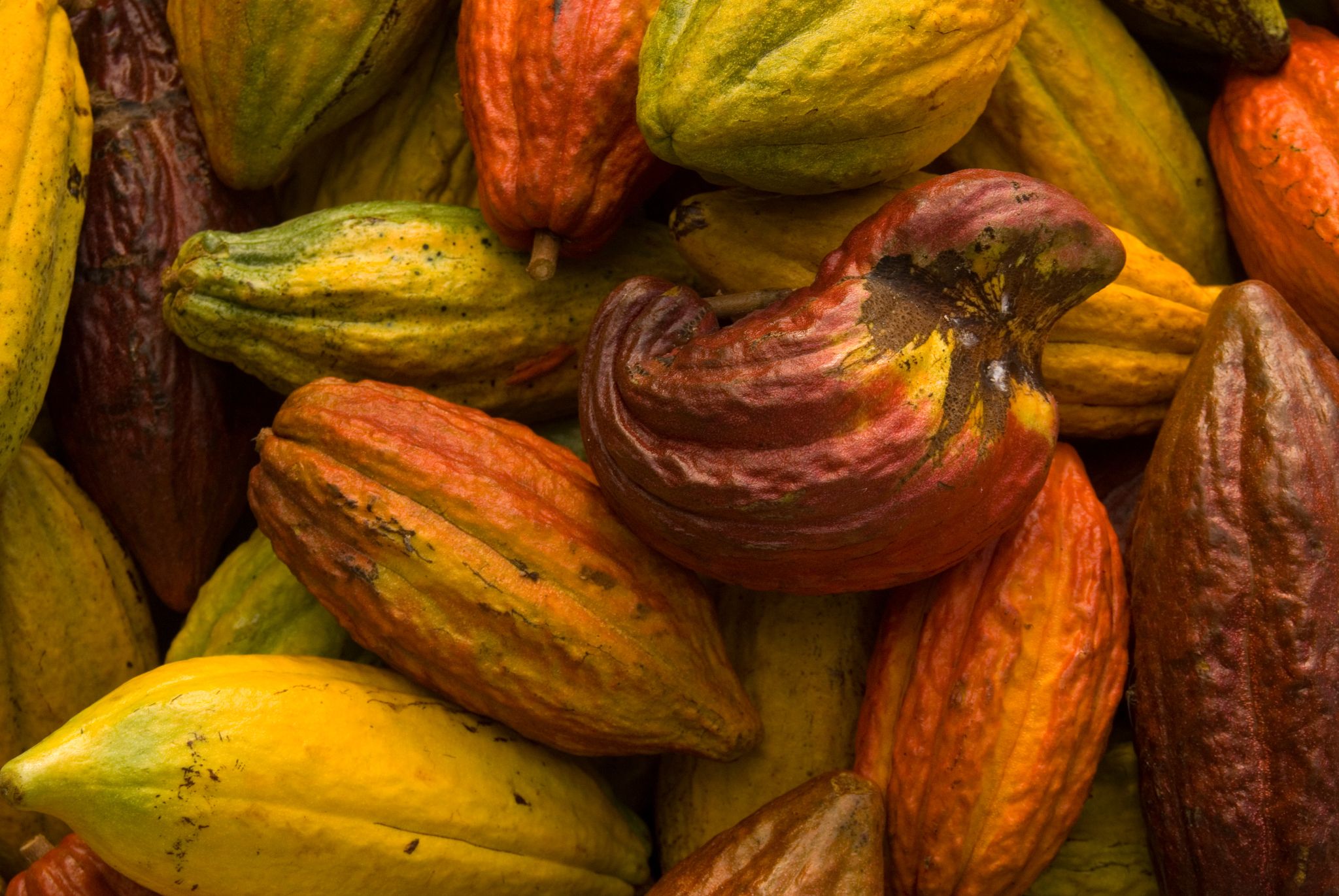
- Origin: Cacao from different places begins with different flavor potential.
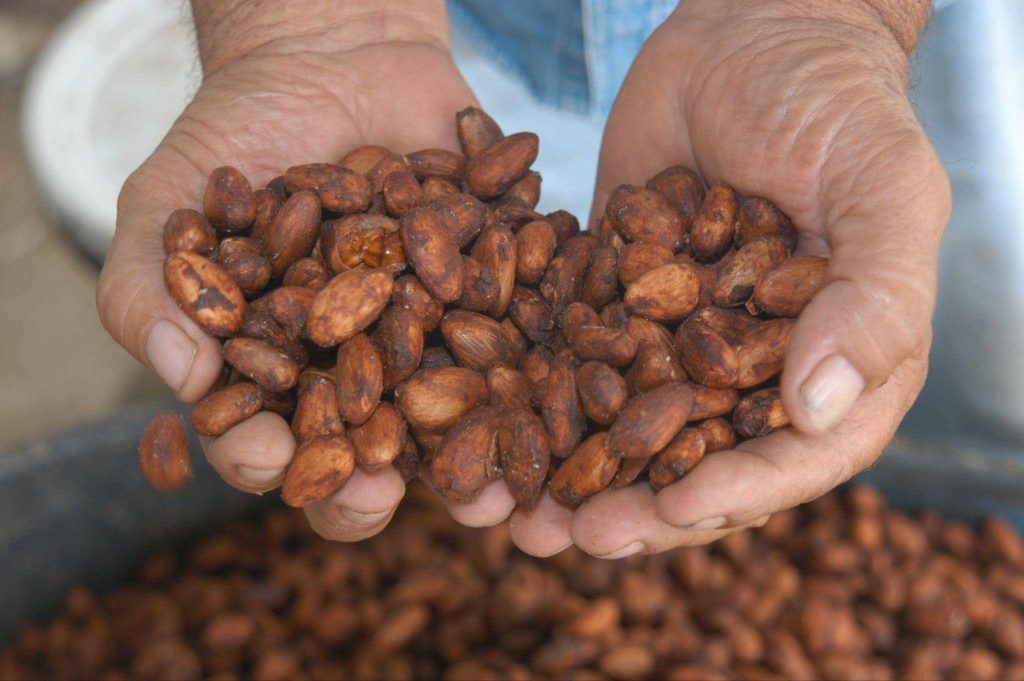
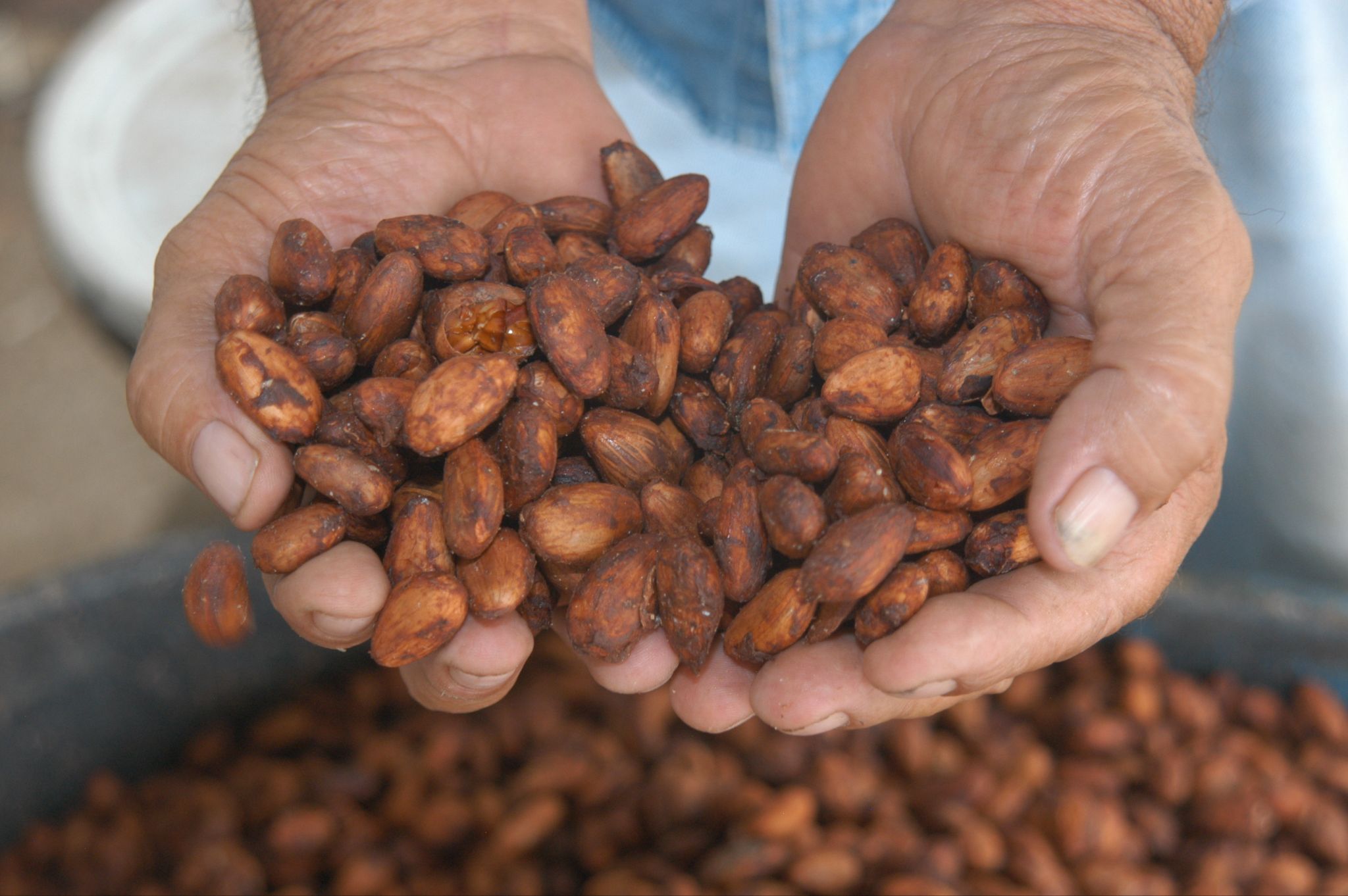
- Fermentation: Fermentation develops flavor before the beans reach the chocolate maker.
- Roasting: The roast profile brings certain characteristics to the fore.
- Refining: The maker changes the texture through refining, which also influences how flavor unfolds.
- Formulation: The balance of cocoa mass and cocoa butter changes how the bar feels on the palate.
One artisan chocolate bar may taste lively and fruit-forward. Another may show a deeper dark cocoa character.
Benefits of understanding cacao percentages
Knowing what the number means helps you shop and taste with more intention.
It helps you:
- Estimate how sweet or cacao-forward a bar may taste
- Compare bars with similar formulations
- Pick the chocolate that fits a recipe
- Separate cacao percentage from assumptions about quality
- Pay closer attention to the origin and craftsmanship
That context helps when choosing an artisan chocolate bar. The percentage gives you one clue. Origin and process tell you more.
Common mistakes when reading chocolate percentages
- Assuming higher means better: An 85% bar doesn’t automatically offer better chocolate than a 70% bar. The cacao itself and the maker’s process play a much bigger role in the final quality.
- Assuming higher means more bitter: Some cacao naturally tastes softer. Fermentation and roasting also influence how much bitterness comes through.
- Treating percentage as a flavor score: The number can’t tell you whether a bar will taste fruity or floral. It also can’t predict a dark cocoa profile.
- Assuming equal percentages means equal recipes: Two makers may use different amounts of cocoa mass and cocoa butter while keeping the same total cacao percentage.
- Choosing by percentage alone: Look at the origin. Read the tasting notes. Consider the maker’s process. A dark chocolate bar tells you far more than its percentage.
What chocolate standards tell us
Chocolate labeling focuses on composition. The percentage tells you how much cacao-derived material the finished product contains.
The percentage won’t tell you:
- How the producer handled fermentation
- How the maker developed the roast profile
- How the maker refined the chocolate
- What flavor characteristics the origin naturally carries
A larger cacao percentage often brings more dark cocoa intensity, though the number can’t predict exactly what you’ll taste.
An artisan chocolate bar often provides more context through origin information and tasting notes.
How to compare dark chocolate bars
Try this process:
- Choose two bars with similar percentages. Two 70% bars work well.
- Check the origins. Pick bars from different cacao-growing regions.
- Taste the first slowly. Let a small piece melt before chewing.
- Notice the opening flavor. Pay attention to sweetness and the first clear cacao note.
- Follow the finish. Notice how the flavor changes as the chocolate melts.
- Taste the second bar. Repeat the process before comparing the two.
One bar may move toward fruit. Another may show more dark cocoa depth.
Keeping the percentages close removes one major variable. This works especially well with a single-origin artisan chocolate bar.
FAQ
Is 70% dark chocolate very dark?
Seventy percent gives cacao a strong presence while leaving room for sweetness. Many people find this range balanced for everyday tasting. A 70% dark chocolate bar also gives single-origin cacao room to show distinctive flavor.
Does a higher cacao percentage mean less sugar?
Usually, yes. As cacao takes up more of the recipe, less room remains for sugar. Other ingredients may affect the exact amount, so the percentage doesn’t always equal a precise sugar percentage.
Does higher-percentage chocolate always taste more bitter?
No. Bitterness comes from more than the cacao percentage. The cacao itself sets the foundation, while fermentation and roasting influence how sharp, mellow, or balanced the finished chocolate tastes.
What percentage of dark chocolate works well for beginners?
Many people start around 60% to 70%. That range offers a recognizable dark chocolate flavor while keeping some sweetness. Move higher if you enjoy stronger cacao or lower if you prefer more sweetness.
What percentage works best for tasting cacao origin?
Around 70% often works well because cacao plays a strong role without completely removing sweetness. Comparing bars at similar percentages also makes differences in origin easier to notice, especially with an artisan chocolate bar.
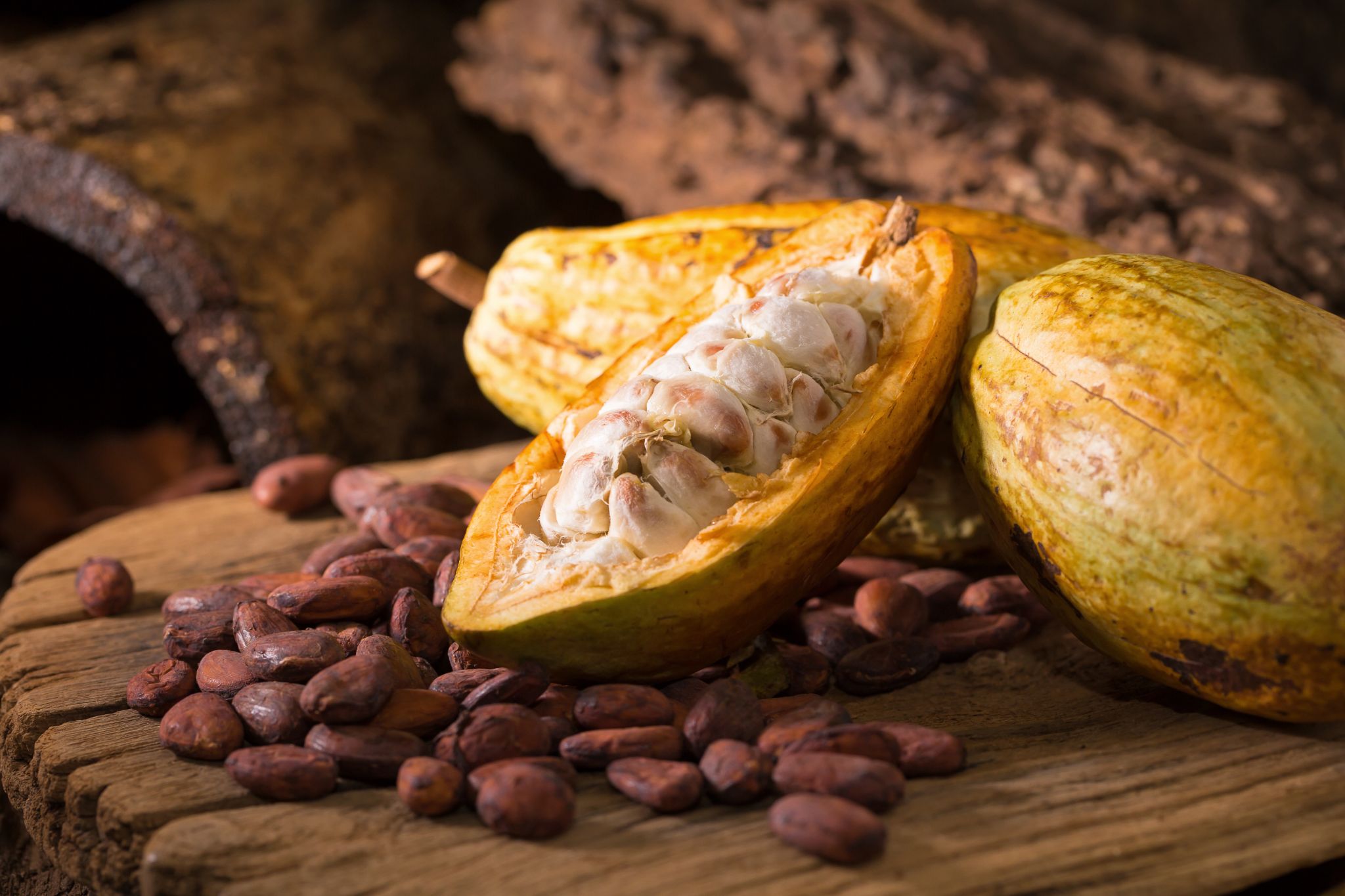
Understanding dark chocolate percentages with Amano Chocolate
Cacao percentage gives you a helpful starting point, but it only explains part of what you’ll taste. Origin sets the flavor foundation, and the maker shapes that character through each step of the process.
When you compare chocolates, use the percentage as one clue. Then look at the cacao origin, read the tasting notes, and pay attention to how the flavor changes as the chocolate melts.
Explore Amano Chocolate to compare origins and see how each dark chocolate bar reflects its cacao’s character.