
For many chocolate lovers, kosher certification helps guide their choices and ensures they pick a bar made with care and integrity. While kosher standards originate from Jewish dietary laws, their influence goes far beyond religious tradition.
Kosher chocolate reflects deliberate sourcing, clean production methods, and transparent labeling. Brands that pursue kosher certification commit to high standards at every stage — from selecting ingredients to sanitizing equipment. Consumers gain more than a label; they receive chocolate crafted with discipline and trustworthiness.
In this blog, you’ll explore what kosher certification means in chocolate, how producers achieve it, and why it holds value for religious and non-religious consumers. Whether you seek purity, quality, or accountability, kosher chocolate delivers an experience rooted in principle and precision.
Defining kosher: More than a label
Kosher refers to food that aligns with Jewish dietary law, known as kashrut. These ancient guidelines define which foods people may eat, how they must be prepared, and how they must be handled from source to table. At their core, kosher laws promote spiritual discipline, ethical awareness, and rigorous attention to cleanliness, ingredient purity, and transparency.
Core kosher rules: Separation and supervision
To meet kosher standards, food must follow several foundational rules. Meat and dairy must remain completely separate — not only in the finished dish but throughout sourcing, processing, and serving. Equipment used for dairy cannot be used for meat, and vice versa. All ingredients must come from kosher-approved sources, and facilities must maintain strict cleanliness and oversight.
Rabbinical authorities supervise and certify these practices, inspecting everything from production methods to packaging lines to ensure full compliance with kosher law. Their oversight begins long before the final product reaches store shelves.
These trained experts verify that every ingredient used in the chocolate, such as lecithin, milk solids, or flavor extracts, comes from a kosher-approved source. They also assess whether the equipment used in production has been properly cleaned and maintained.
During on-site inspections, they observe how workers handle ingredients, monitor cleaning protocols, and confirm no cross-contamination.
For example, if machinery processes kosher-dairy or non-kosher material and wants to process pareve (neutral) chocolate, the rabbi ensures that the equipment has been sterilized and thoroughly cleaned to meet kosher standards. Even packaging materials and storage practices come under scrutiny to maintain full integrity.
This level of supervision helps guarantee that every step of production aligns with Jewish dietary laws. Once the rabbinical authority confirms all requirements have been met, they grant kosher certification.
This certification appears on the packaging in the form of a symbol (OU, Star-K, or Kof-K), which assures consumers that the chocolate has been produced with strict attention to cleanliness, transparency, and religious observance.
Why chocolate needs kosher oversight
Although chocolate may seem straightforward, its ingredients and manufacturing process introduce unexpected complexity. Chocolate often contains emulsifiers like soy or sunflower lecithin, flavorings, or milk derivatives that require kosher validation. Even natural flavors and processing aids must be traced back to kosher-certified sources.
Equipment used to melt, mold, or package chocolate must also meet strict criteria. If it was previously used for non-kosher products, it must be sterilized or designated for kosher use only.
Kosher as a mark of integrity
These rules may seem technical, but they ultimately serve a broader purpose. Kosher certification guarantees that food production involves accountability at every level. Consumers know exactly what goes into their chocolate and how it is handled.
For those who observe kosher dietary laws, this is a spiritual necessity. For others, it reflects a deeper commitment to quality, ethical sourcing, and transparency.
What makes chocolate kosher — or not?
Kosher chocolate requires precision at every stage of production. While raw cacao beans naturally qualify as kosher, turning them into a finished chocolate bar introduces complexities that must align with the detailed requirements of kashrut.
Every ingredient matters
One of the most critical steps involves verifying every ingredient. Chocolate contains more than cacao and sugar. Additives like lecithin, dairy solids, and flavor extracts can all impact kosher status. Lecithin might come from soy, sunflower, or egg yolk — each must originate from a kosher-certified source.
Even vanilla extract often contains alcohol, which must be derived through kosher-approved fermentation or distillation methods. Milk ingredients must come from kosher animals and undergo rabbinical oversight from farm to processing.
Equipment influences kosher integrity
Kosher status depends not only on ingredients but also on how and where chocolate is made. Production equipment plays a major role. Many chocolate facilities use shared machinery for various products, including non-kosher items like dairy or gelatin.
Producers must follow rigorous cleaning protocols to maintain kosher certification and use dedicated equipment when necessary. Some manufacturers even assign entire production lines to kosher chocolate to prevent contamination.
Certification requires full environmental oversight
Kosher certification extends beyond recipes and tools. It includes oversight of the entire production environment. Certification agencies regularly inspect facilities to monitor ingredient sourcing, handling procedures, sanitation standards, and even employee practices.
For instance, if a spatula touches both dairy and non-dairy chocolate without proper sterilization, even a trace of residue could invalidate an entire batch.
Trusted agencies provide clarity and assurance
Organizations like the Orthodox Union (OU), Kof-K, and Star-K lead kosher certification efforts worldwide. The logos on the chocolate packaging provide consumers with assurance and transparency. These marks represent a commitment to integrity, accountability, and quality throughout the chocolate-making process.
Kosher chocolate reflects care and craftsmanship
A chocolate bar carrying kosher certification tells a story of thoughtful sourcing, responsible production, and deep respect for tradition. Whether someone seeks kosher products for spiritual observance or values the discipline behind them, certified chocolate offers confidence, cleanliness, and character in every bite.
Pareve vs. dairy kosher chocolate
Kosher chocolate falls into two main categories: pareve and dairy. This distinction matters for anyone observing kosher dietary laws and also serves consumers with specific food preferences or restrictions.
Pareve
Pareve chocolate contains no meat or dairy ingredients and undergoes production on equipment free from dairy contact. Because pareve products remain neutral, they fit seamlessly into kosher meals, whether served with meat or dairy.
Achieving true pareve status requires exceptional care. Chocolate must exclude ingredients like butterfat, milk powder, or whey and remain uncontaminated by residual traces on machinery. Many chocolate makers dedicate separate production lines to maintaining that standard.
This level of separation makes pareve chocolate appealing far beyond religious observance. People with lactose intolerance, dairy allergies, or vegan lifestyles often gravitate toward pareve options. For them, kosher certification provides extra assurance that no hidden dairy derivatives slip through the process.
Dairy kosher chocolate
In contrast, dairy kosher chocolate includes milk or milk-based ingredients that kosher certifiers have approved. Even if a chocolate bar contains no obvious dairy ingredients, it still counts as dairy if produced using equipment also used for dairy processing.
In the kosher system, indirect contact carries the same weight as direct inclusion. That’s why certification agencies closely monitor not only ingredients but also the entire production environment to confirm a chocolate’s dairy status.
Kosher labeling clarifies this distinction. A symbol like “OU-D” signifies kosher dairy, while “OU” alone or “OU Pareve” signals a dairy-free product. Other certifying bodies, such as Kof-K or Star-K, follow similar labeling conventions. Shoppers who know what to look for can quickly make informed choices at a glance.
Understanding whether a chocolate is pareve or dairy affects everything from meal planning to gift-giving. With proper labeling and certification, kosher chocolate makes it easier to accommodate a wide range of diets while maintaining trust in the product’s integrity and flavor.
How kosher certification benefits all consumers
Kosher certification delivers practical advantages that elevate the chocolate experience for everyone. Whether you follow kosher dietary laws or simply value transparency and quality, certified chocolate gives you confidence in every bite.
Kosher standards raise the bar
Kosher certification introduces a level of discipline that strengthens every stage of chocolate production. Certifying agencies oversee the entire ecosystem in which chocolate takes shape. Their inspections extend from the supply chain to the production floor, ensuring that every element aligns with kosher principles and industry best practices.
Inspectors examine sourcing documentation to confirm that each ingredient meets kosher standards, from lecithin and vanilla extract to more obscure processing aids. They also evaluate supplier integrity, checking that each partner follows transparent, ethical protocols. This encourages brands to maintain a cleaner, more accountable ingredient chain.
Within the factory, kosher inspectors assess sanitation procedures with a level of scrutiny that surpasses most standard food safety audits. Equipment must be thoroughly sterilized between batches, especially when switching from dairy to pareve production. Storage areas, utensils, and packaging stations must remain organized and free from cross-contamination. Even water sources and temperature control systems receive attention.
These evaluations involve ongoing supervision, surprise audits, and real-time problem-solving. Kosher-certified companies commit to continuous compliance, which fosters a culture of consistency and excellence.
The result benefits every consumer. Whether motivated by religious values or a desire for better food standards, buyers receive chocolate crafted with care, oversight, and a deep respect for purity.
Clear labeling builds trust
When a product displays a kosher certification symbol, it signals more than religious compliance. It reflects a commitment to full transparency. These symbols instantly communicate whether a product qualifies as dairy, pareve, or meets other dietary standards, helping shoppers make informed choices without second-guessing.
This level of labeling provides confidence and peace of mind for individuals with dietary sensitivities, food allergies, or ethical preferences. Kosher-certified brands often adopt a more detailed approach to packaging, including sourcing disclosures, allergen warnings, and notes about equipment used in processing.
Many go further by outlining their handling procedures, verifying cross-contamination controls, or listing whether ingredients like lecithin, flavorings, or emulsifiers meet specific purity standards.
This attention to detail makes product selection easier, especially for consumers who prioritize clean ingredients or follow multiple dietary rules. Instead of decoding complicated ingredient lists, shoppers receive clear, reliable guidance from symbols and accompanying disclosures.
In an increasingly complex food market, that kind of clarity builds lasting trust between makers and their customers.
Certified chocolate fits more lifestyles
Many pareve chocolates work well for people who avoid dairy, whether for health, allergy, or personal reasons. Kosher labeling often overlaps with vegetarian, gluten-free, and allergen-conscious needs, offering something for a wider audience.
When you choose kosher-certified chocolate, you support brands that prioritize integrity, traceability, and excellence. This added layer of accountability makes a noticeable difference on the label and in the flavor.
Amano Chocolate and kosher standards

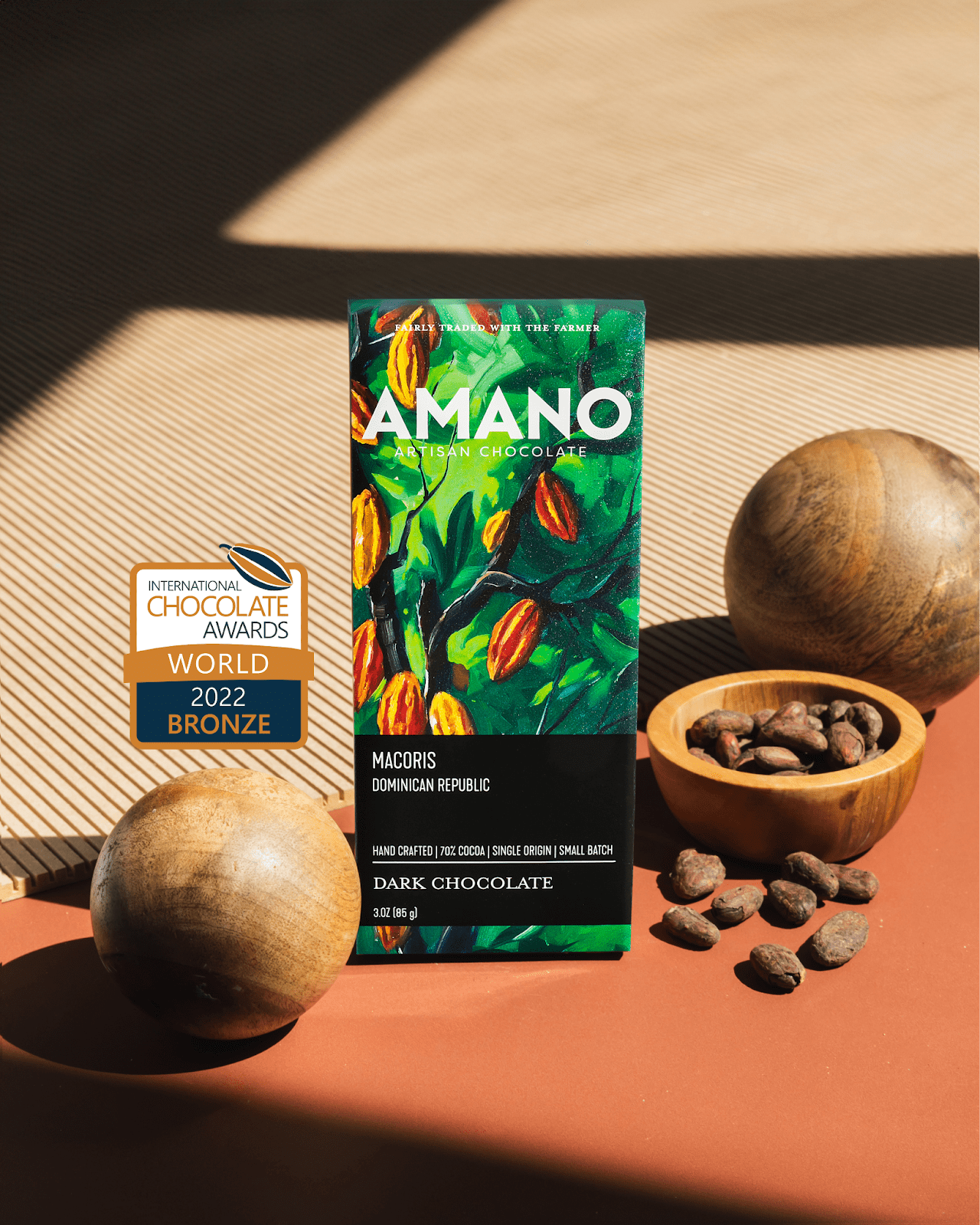
Amano Chocolate brings craftsmanship, transparency, and integrity to every bar, and its kosher certification reflects that dedication. A handful of selections in the Amano collection carry kosher certification, offering chocolate lovers an option that aligns with both dietary values and elevated taste.
Amano’s commitment starts with sourcing. The team works directly with cacao growers in renowned regions such as Madagascar, Venezuela, and Ecuador, selecting beans with distinct character and exceptional quality.
Each step — from fermentation to roasting and conching — honors the cacao’s natural flavor. Every ingredient used in Amano chocolate meets strict quality requirements, with no shortcuts, fillers, or artificial enhancements.
Kosher certification supports this high standard. Amano follows clean production practices, ensuring ingredients remain pure and equipment stays free from cross-contamination. The company works with trusted certifying bodies to maintain full compliance and uphold consumer trust.
You will find clear labeling on certified products, which makes it easier to choose chocolate that matches your needs and preferences.
Kosher certification plays a role in a much larger story at Amano. It represents a promise to craft chocolate with honesty, excellence, and respect for the people who grow the beans and the individuals who enjoy the final creation. Whether you seek ethical sourcing, refined taste, or a brand that prioritizes every detail, Amano delivers.
Shop all Amano chocolate and experience the artisan difference.