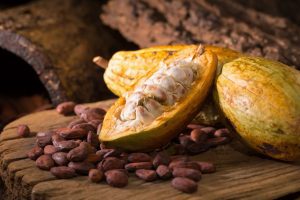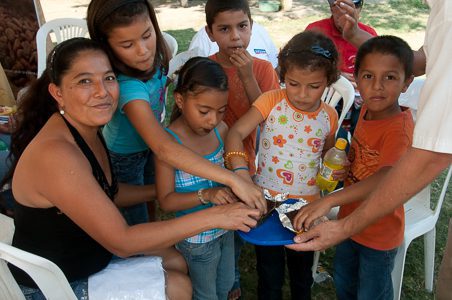
Direct trade chocolate starts with a connection: the kind that links makers to the farmers who grow each cacao pod. Those relationships shape everything from flavor to fairness.
Traditional supply chains often lose that connection, passing cacao through multiple intermediaries before it ever reaches the maker. Along the way, the cocoa bean’s origin fades, quality drops, and farmers earn only a fraction of what their work deserves.
Direct trade changes that story. Chocolate makers visit farms, learn about the land, and build trust with the people behind the harvest. They share knowledge, pay fairly, and create long-term partnerships that strengthen quality and community. Every decision, from fermentation to roasting, reflects a collaborative, respectful approach.
When you choose chocolate made through direct trade, you taste the difference. Each bar carries the story of its origin that can be bright, rich, and full of character. It’s proof that ethical sourcing doesn’t just feel good; it tastes extraordinary.
The problem with the traditional cacao trade
Most cacao farmers work within a system that rewards intermediaries instead of growers. Farmers sell their beans to middlemen who control pricing and distribution, while exporters and manufacturers each take their cut.
By the time the beans become a finished bar, the farmer often receives less than five percent of the final price. This imbalance leaves growers struggling to survive, even as global demand for premium chocolate increases.
Transparency also disappears in this model. Multiple brokers make it difficult to trace a bean’s journey from farm to factory. Origin details blur, and regional characteristics fade. Farmers lose motivation to refine fermentation or drying methods without feedback or recognition from chocolate makers.
Consumers, in turn, lose the opportunity to understand where their chocolate comes from — or who made it possible.
This disconnect harms flavor and livelihood. When profit depends on volume, farmers have no incentive to prioritize quality. Beans from different regions get mixed together, flattening unique flavor profiles. The result is chocolate that tastes uniform and lacks character. Meanwhile, farming families face financial uncertainty and limited resources for sustainable growth.
Traditional trade fills supermarket shelves but empties the connection between people and product. To preserve quality and fairness, the future of chocolate depends on direct, transparent relationships rooted in respect and accountability.
What direct trade means
Direct trade builds relationships between chocolate makers and cacao farmers grounded in respect and transparency. Unlike fair trade, which depends on third-party certification and fixed pricing, direct trade focuses on trust and personal accountability. Makers take responsibility for sourcing, ensuring every purchase honors the farmer’s labor and the bean’s integrity.
This model allows chocolate makers to travel to farms, observe cultivation firsthand, and understand how soil, rainfall, and fermentation shape each harvest. These visits create dialogue — farmers share their challenges and methods, while makers offer feedback and goals for flavor development. Together, they refine the process and strengthen quality at every stage.
Everyone benefits. Farmers earn stable, fair prices that reflect their craftsmanship, allowing them to invest in better tools, education, and community infrastructure. Makers gain access to exceptional beans with consistent quality and traceable origins. The result is chocolate that carries authenticity, integrity, and incredible flavor.
Direct trade transforms chocolate making from a transaction into a partnership — preserving the human touch behind every bar and proving that kindness and craftsmanship belong together.
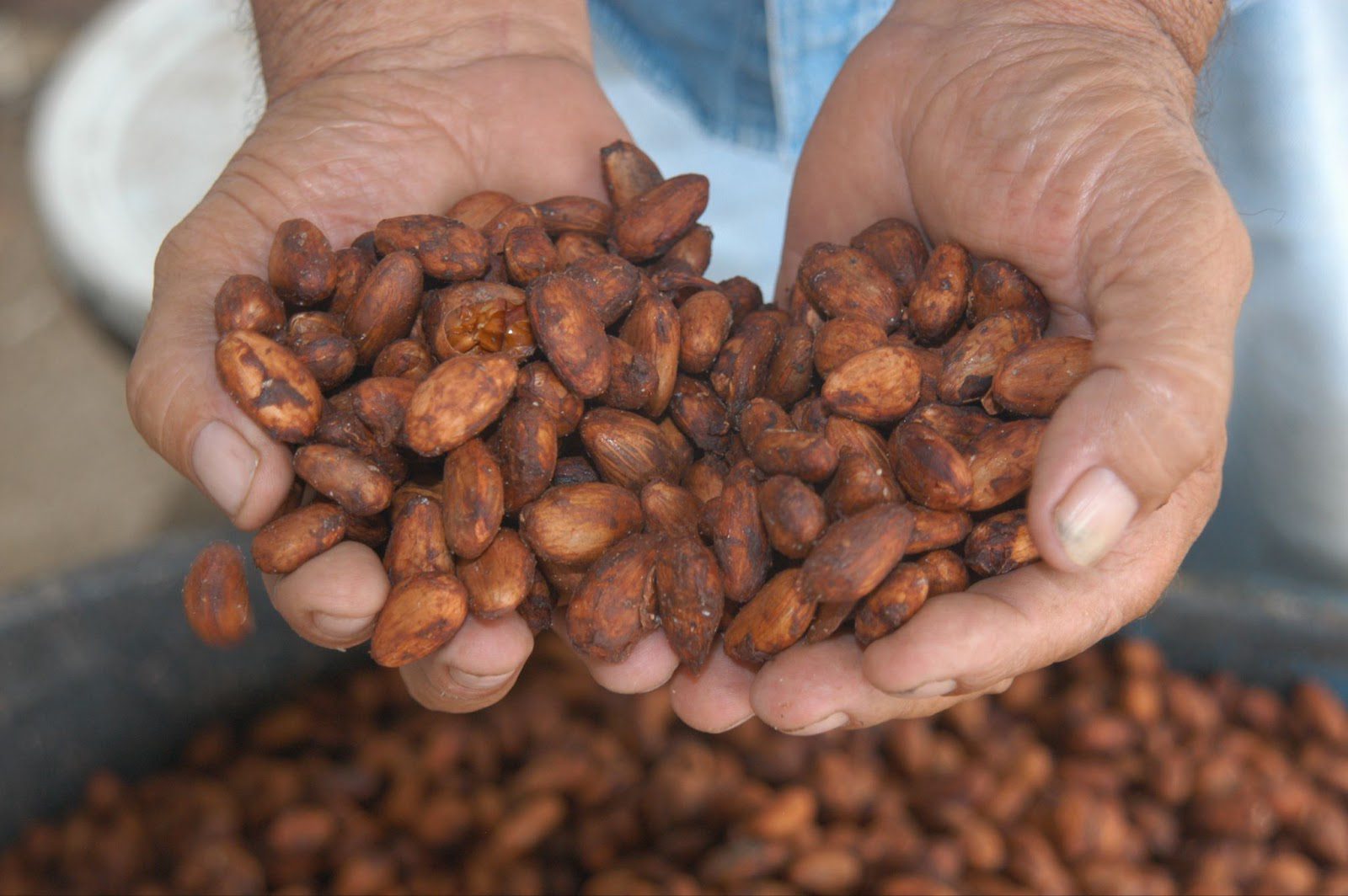
Flavor begins on the farm
Every great chocolate bar starts long before roasting or conching — it begins in the soil. Climate, altitude, and surrounding vegetation shape cacao’s natural character. Farmers who understand their land cultivate trees that express its unique personality.
Subtle variations in weather or soil composition in places like Venezuela, Madagascar, or Ecuador can shift flavor from bright citrus to deep spice or red fruit. Variations can happen between neighboring valleys as well.
Fermentation and drying define the next stage of the journey. During fermentation, natural yeasts and bacteria transform cacao’s pulp, building layers of fruit, floral, or nutty complexity. Controlled temperature and timing refine those flavors, while careful drying locks them in.
A rushed or uneven process dulls the bean’s potential, but skilled farmers treat these steps as a craft — balancing science and intuition to create harmony.
Direct trade strengthens this craftsmanship through collaboration. Makers taste, share feedback, and help farmers fine-tune techniques for greater consistency and depth. In turn, farmers offer insight into seasonal shifts and crop behavior. This cycle of knowledge fuels excellence and authenticity.
The result is chocolate that reflects the land, the weather, and the human care that brought it to life.
The flavor of kindness
Kindness shapes chocolate in ways that go far beyond taste. Ethical sourcing through direct trade begins with respect. This is a respect for the farmer’s labor, the land’s vitality, and the craft that transforms cacao into something extraordinary.
True kindness in chocolate making isn’t charity; it’s partnership. It values human dignity and the belief that exceptional flavor emerges when everyone involved is treated with fairness and gratitude.
This approach creates chocolate that speaks for itself. Bars made through direct trade capture freshness, clarity, and authenticity that mass-market chocolate rarely achieves.
Each bite tells a story of careful fermentation, intentional roasting, and shared pride between grower and maker. You taste the difference because nothing dulls or disguises the bean’s character in the process. Kindness becomes a tangible flavor that is rich, clean, and honest.
Consumers play a powerful role in this cycle of goodness. Every time someone chooses chocolate from a direct-trade brand, they invest in that chain of respect and collaboration. Their purchase sustains livelihoods, protects ecosystems, and rewards craftsmanship. This kind of mindful buying turns indulgence into impact.
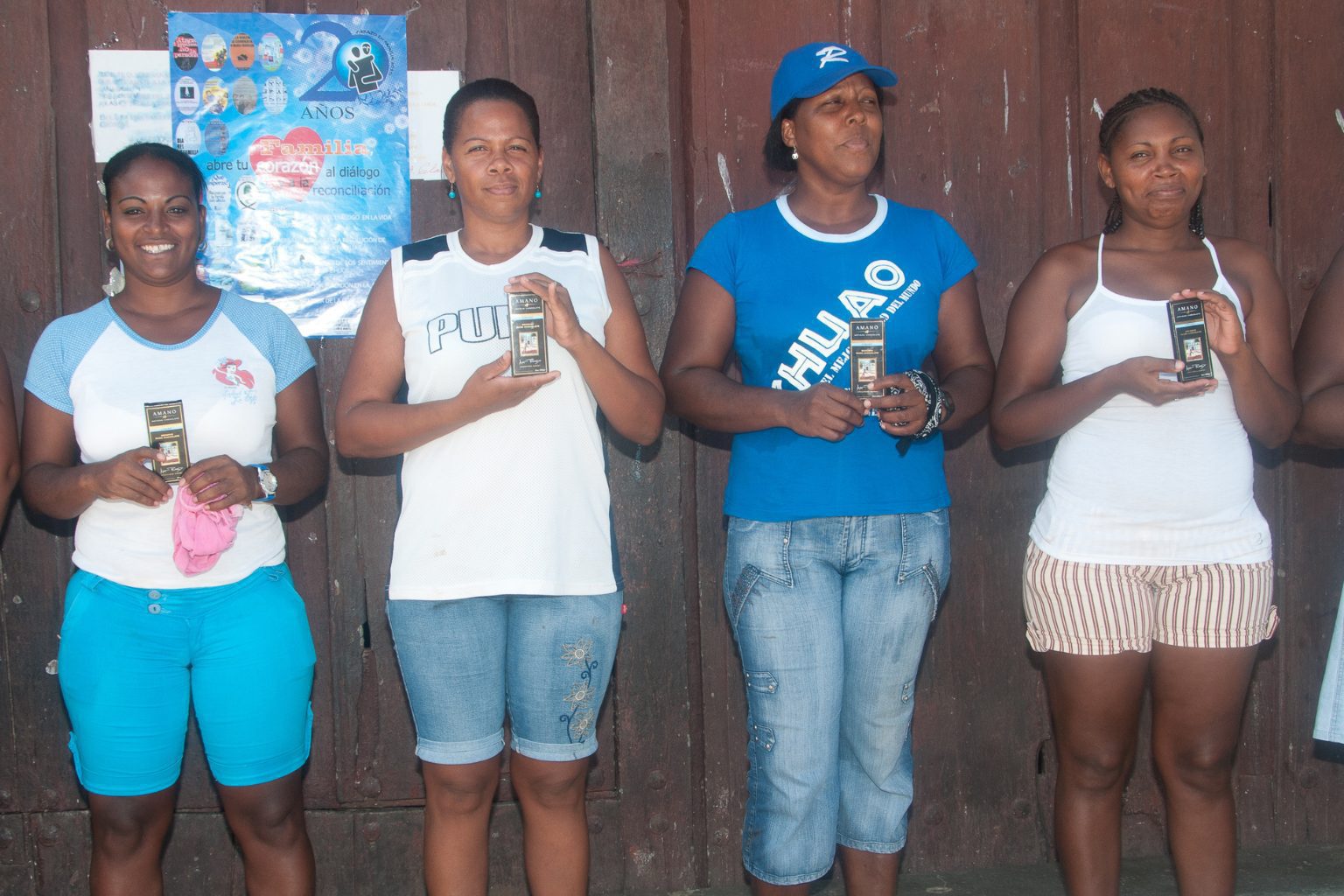
Farmers posing with the Amano Chuao Bar
Amano — Where flavor and kindness are valued most
Amano Chocolate embodies everything direct trade represents — integrity, collaboration, and respect from farm to bar. Our partnerships with cacao farmers in regions like Madagascar, Venezuela, and Ecuador form the foundation of its success.
These relationships grow through shared learning and hands-on involvement, as our team regularly visits farms, refines fermentation methods, and supports growers in achieving their highest potential.
Every decision reflects care for both people and flavor. By working side by side with farmers, Amano preserves the unique identity of each origin and transforms that authenticity into award-winning chocolate. The result is a collection of bars that carry the essence of the land and the spirit of the people who tend it.
When you choose Amano, you taste the difference that kindness and craftsmanship create together. Each square delivers a story of collaboration, culture, and the pursuit of true excellence. Explore Amano’s collection, and experience how flavor becomes more meaningful when it grows from connection and respect.