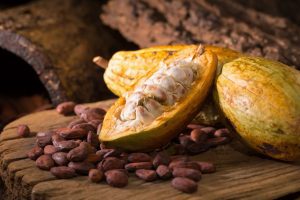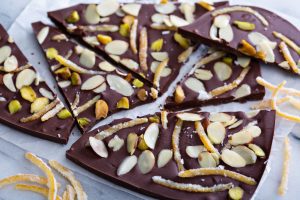
Most people eat chocolate without truly tasting it. Single origin chocolate invites a deeper experience, using cacao from one region to highlight the land’s unique character — bright citrus, warm spice, or earthy richness.
This guide helps you move beyond casual snacking. You’ll learn to taste with intention, recognize flavor notes, and understand how origin and craft shape every bite. Whether starting fresh or refining your palate, you’ll discover how real chocolate tells a story through flavor.
What makes single origin chocolate special
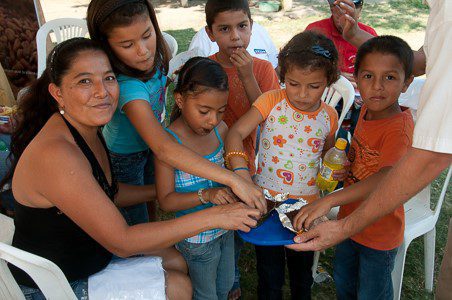
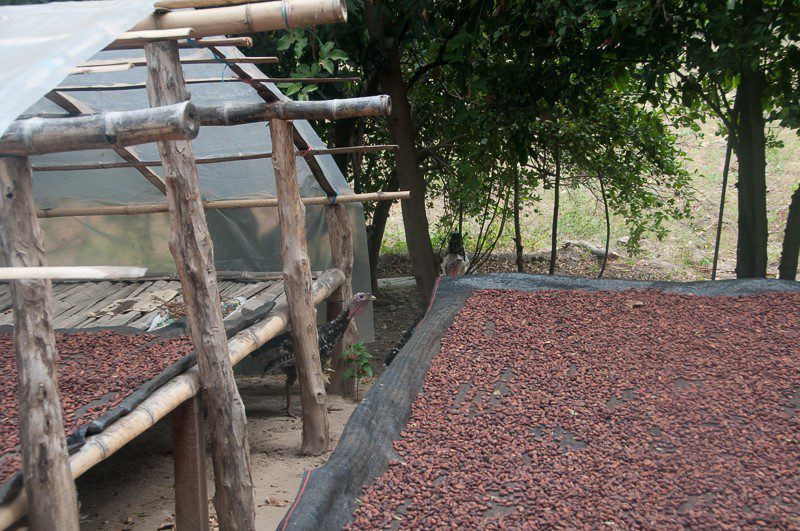
Single origin chocolate uses cacao beans harvested from one specific region, farm, or cooperative. Blended chocolate combines beans from multiple locations to create consistency, while single origin chocolate highlights the natural character of its source. Every bite expresses the unique identity of that place.
Terroir shapes the flavor. Soil, climate, rainfall, altitude, and nearby vegetation all influence how cacao develops. These factors leave their imprint on the beans long before roasting begins. Like grapes in winemaking, cacao absorbs the essence of its environment. After fermentation and drying, the beans carry those environmental signatures into the final bar.
Origin shapes the tasting experience more directly than cacao percentage. A 70% bar from Madagascar bursts with citrus and red fruit, while a bar with the same percentage from Ecuador leans into floral or earthy tones. Flavor reflects the land where the cacao grew and the hands that guided it through every step.
Single origin chocolate invites focused tasting. It rewards attention to detail, celebrates diversity of flavor, and reveals the connection between chocolate and place. When you understand the origin, you understand what makes each bar unforgettable.
How to prepare for a proper tasting
Start with high-quality single origin chocolate. Select bars from makers who emphasize craftsmanship, transparency, and ethical sourcing. Choose brands like Amano that showcase the distinct character of each cacao origin. These bars deliver layered flavors and smooth textures ideal for a focused tasting experience.
Serve chocolate at the right temperature. Aim for 65 to 70 degrees Fahrenheit. At this range, the chocolate softens slightly at this range, releases its aroma, and melts cleanly on the tongue. Let the bar rest at room temperature before tasting if it feels too cold.
Create a neutral environment. Use natural lighting to observe the chocolate’s color and sheen. Eliminate competing smells by removing scented candles, perfumes, or cooking odors from the space. A calm, clean setting sharpens your senses and brings focus to the flavors.
Cleanse your palate between tastings. Sip room-temperature water or eat a piece of unsalted cracker to clear lingering flavors. This resets your taste buds and prepares you to notice new notes in the next sample.
Approach the tasting with curiosity. Preparation enhances perception. By setting the right conditions, you invite each bar to reveal its story through flavor, texture, and aroma.
Step-by-step guide to tasting single origin chocolate like a pro
Tasting single origin chocolate with purpose deepens your appreciation for its flavor, origin, and craftsmanship. Activate your senses and follow these steps to explore each bar with clarity.
Look
Examine the chocolate under natural light. Observe its surface for smoothness and sheen. Well-tempered chocolate reflects light and displays a consistent hue, whether deep mahogany, reddish-brown, or nearly black. Imperfections like streaks or gray patches suggest poor storage or tempering.
Snap
Break a piece cleanly and listen. A crisp snap indicates proper tempering and structure. A dull or crumbly break points to flaws in processing or temperature control. This small moment reveals the bar’s quality before it reaches your palate.
Smell
Lift the piece to your nose and inhale deeply. Identify aromas such as citrus, red berries, toasted nuts, jasmine, spice, or earth. These scents emerge from the bean’s origin, fermentation, and roast. Smell prepares your taste buds for what follows and reveals the bar’s personality.
Taste
Place the chocolate on your tongue and let it melt slowly. Chewing interferes with the flavor evolution. As it softens, track the transitions. Perhaps a burst of fruit, a wave of cocoa richness, then a finish with floral or nutty complexity. A refined bar unfolds in layers and leaves a clean, satisfying aftertaste.
Reflect
Record your impressions immediately. Note texture, flavor notes, and how the finish lingers. Compare chocolates from different origins side by side. Tracking your reactions sharpens your palate and reveals your personal preferences.
Approach every tasting with curiosity. Each bar delivers a story through its flavor, texture, and aroma. Savor it slowly and discover what makes single origin chocolate an experience worth exploring.
Tasting notes to watch for
Each bar of single origin chocolate tells a story rooted in soil, climate, and craftsmanship. Recognize key flavor notes to follow that story with clarity and confidence.
Explore regional profiles
Identify origin-based characteristics. Madagascar cacao reveals bright citrus, tart red berries, and playful tanginess. Venezuelan beans deliver deeper flavors — plum, raisin, spice, and wine-like richness. Peruvian origins showcase floral highs, nutty warmth, and gentle earthiness. Regional profiles reflect terroir and farming practices, giving each bar a distinct voice.
Evaluate balance and structure
Track acidity, bitterness, sweetness, and mouthfeel. High acidity brightens flavor and adds liveliness. When integrated well, bitterness brings depth and structure. Subtle sweetness rounds the profile without overwhelming it. Mouthfeel shapes the experience—creamy, dry, gritty, or silky—and influences how long flavors linger.
Understand how the process shapes taste
Roasting and conching unlock and refine flavor. Light roasting preserves fruity or floral notes. Darker roasting deepens richness and highlights nutty or smoky qualities. Conching smooths texture and balances flavor by blending volatile compounds and reducing harsh acidity. Longer conching creates a cleaner, more harmonious finish.
Focus on these elements during a tasting to experience chocolate with precision. Each note you taste reflects a decision made by the grower or maker, linking you to the origin and the care behind the bar.
Comparing origins side by side
Create a vertical tasting with bars from two to four distinct regions. This method showcases how each origin expresses its unique identity through flavor, aroma, and texture. Focus on the region rather than cacao percentage to experience the influence of terroir in its purest form.
For a revealing tasting experience, start with bars that share the same cacao percentage—ideally around 70%—to ensure a fair comparison. Choose single origin bars from distinct regions such as Madagascar, Venezuela, Peru, and Ecuador. Each origin brings its own personality to the table, shaped by terroir and cacao varietal.
Break each bar into small pieces and arrange them from deepest to brightest in flavor. Begin with the boldest, earthiest profile—often found in bars from Ecuador or Venezuela. Then move toward the lighter, fruitier expressions from Peru and Madagascar.
Starting with darker, less sweet profiles helps train your palate to recognize subtle shifts in acidity, bitterness, and texture. As you taste your way through the lineup, you’ll begin to identify the unique voice of each origin more clearly.
Taste slowly and observe how flavors unfold. Madagascar delivers citrus and red berry brightness. Venezuela brings plum, spice, and rich depth. Peru reveals floral top notes and nutty smoothness. Ecuador offers earthy, woody tones with gentle complexity. Each region leaves a distinct mark through climate, soil, and post-harvest techniques.
Notice how texture, acidity, and finish differ. One bar might melt faster or feel creamier, while another might linger with a warm, spiced finish. Vertical tasting sharpens your senses and helps you recognize the nuances shaped by place.
Record your observations as you go. Highlight the contrasts. Celebrate the surprises. A side-by-side comparison uncovers the personality of each chocolate and deepens your understanding of how terroir transforms flavor into storytelling.
Explore with Amano Chocolate
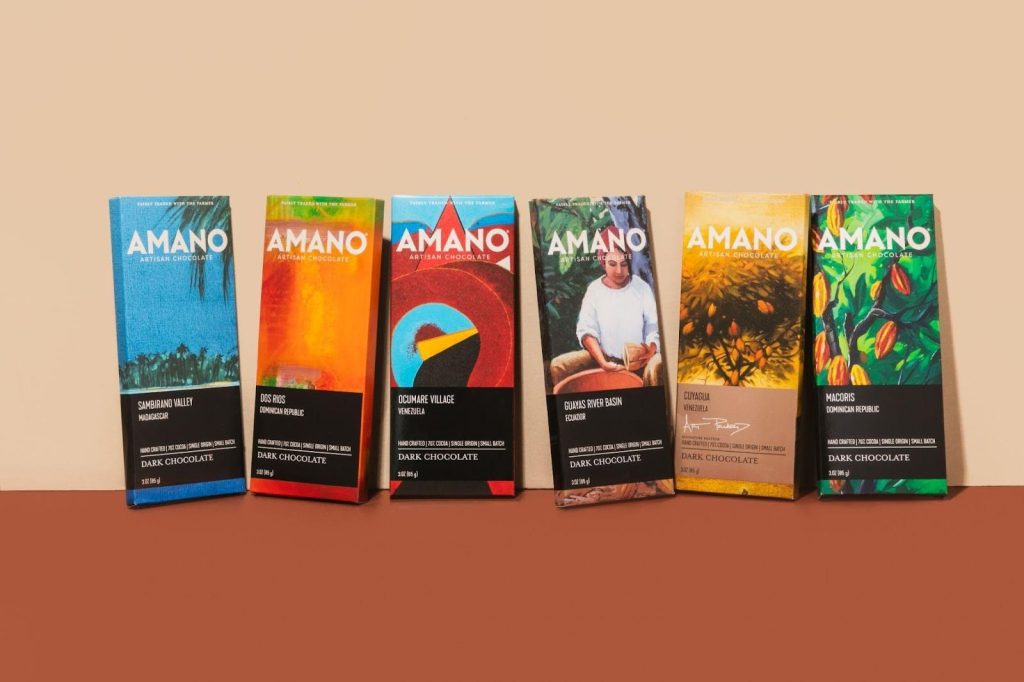
Amano Chocolate celebrates single origin cacao with unmatched dedication. Each bar begins with ethically sourced beans and reflects the unique flavor of its region.
Taste Ocumare for bold red fruit and warm spice. Try Dos Rios for bright citrus and floral depth. Choose Madagascar to experience vibrant notes of raspberry and tangy citrus. Every origin tells a story through flavor, texture, and aroma.