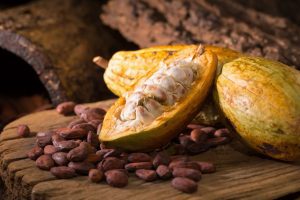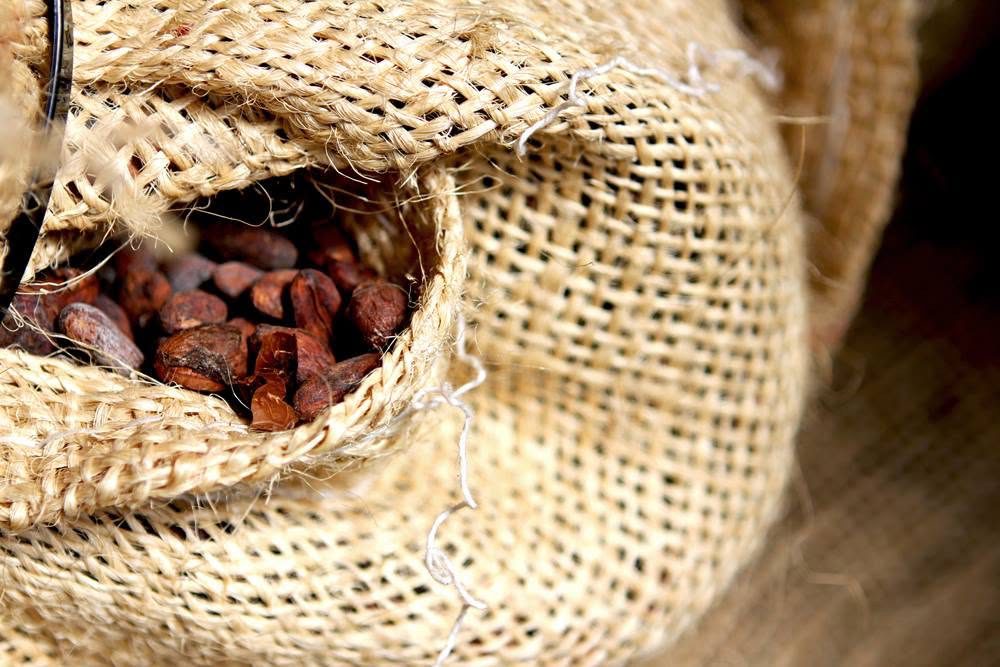
Single origin chocolate uses cacao from one defined place, such as a country, region, cooperative, estate, or farm. That focus lets the cacao express the flavors of its origin more clearly. It doesn’t guarantee better quality, but it gives chocolate makers and tasters a more direct way to explore how place, fermentation, and craftsmanship shape flavor.
Why chocolate from different origins taste different
Most people grow up thinking chocolate has one familiar flavor. Then they taste two well-made bars side by side and notice something unexpected. One may open with bright berry notes, while another leans toward roasted nuts, honey, flowers, or deep cocoa. Those differences start with the cacao itself. Understanding the origin helps you see why chocolate from one place may taste completely different from chocolate grown somewhere else.
What is single origin chocolate?
Single origin chocolate contains cacao sourced from one defined geographic origin. A maker may identify that origin by country, region, cooperative, estate, farm, or harvest lot.
The phrase describes the source of cacao. A maker may use cane sugar from one country and cacao from another while still producing a single origin bar. The location of the chocolate workshop also doesn’t determine the origin. Amano, for example, crafts chocolate in Utah with cacao from carefully selected growing regions around the world.
A label may name a country, region, cooperative, estate, farm, or harvest lot. More detail gives you a clearer picture of the cacao’s source, though a country-level origin still qualifies when the maker uses cacao from that country alone.
What makes chocolate single origin?
The cacao supply defines the origin. When a maker creates a batch with cacao from one stated source, the chocolate qualifies as single origin.
A few details often cause confusion:
| What determines single origin | What doesn’t determine single origin |
| The source of the cacao | The source of the sugar |
| One country, region, cooperative, estate, or farm | The location of the chocolate workshop |
| A clearly identified cacao supply | The cacao percentage |
| Sometimes one harvest or lot | The packaging or bar shape |
A 70% dark chocolate bar may come from one origin or several. The percentage only tells you how much of the bar comes from cacao ingredients. It doesn’t tell you where those ingredients came from.
Likewise, bean-to-bar and single origin don’t mean the same thing. Bean-to-bar refers to a maker who controls the process from the cacao bean to the finished chocolate. Single origin describes where the cacao comes from. Many makers combine both approaches because close control over roasting, refining, and formulation helps them preserve the character of a particular origin.
Why does single origin matter?
Single origin matters because it gives the cacao more room to speak. A blend combines several flavor profiles to create balance, consistency, or a recognizable house style. A bar from one origin highlights that cacao more directly, revealing brighter acidity, deeper cocoa, floral aromas, dried fruit, nuts, spice, or caramel-like warmth.
That difference makes tasting more engaging. You can compare artisan chocolate bars from two origins and notice how each one develops from the first bite through the finish. One bar may taste lively and fruit-forward. Another may feel rounder, earthier, or more cocoa-driven.
Single origin also gives you a clearer connection to the work behind the cacao. Farmers and producers influence flavor through growing, harvesting, fermenting, and drying. Chocolate makers build on those choices through roasting, grinding, refining, and formulation. Each step shapes what you taste in the finished bar.
What affects the flavor of cacao?
Origin influences flavor, though several factors shape the final profile.
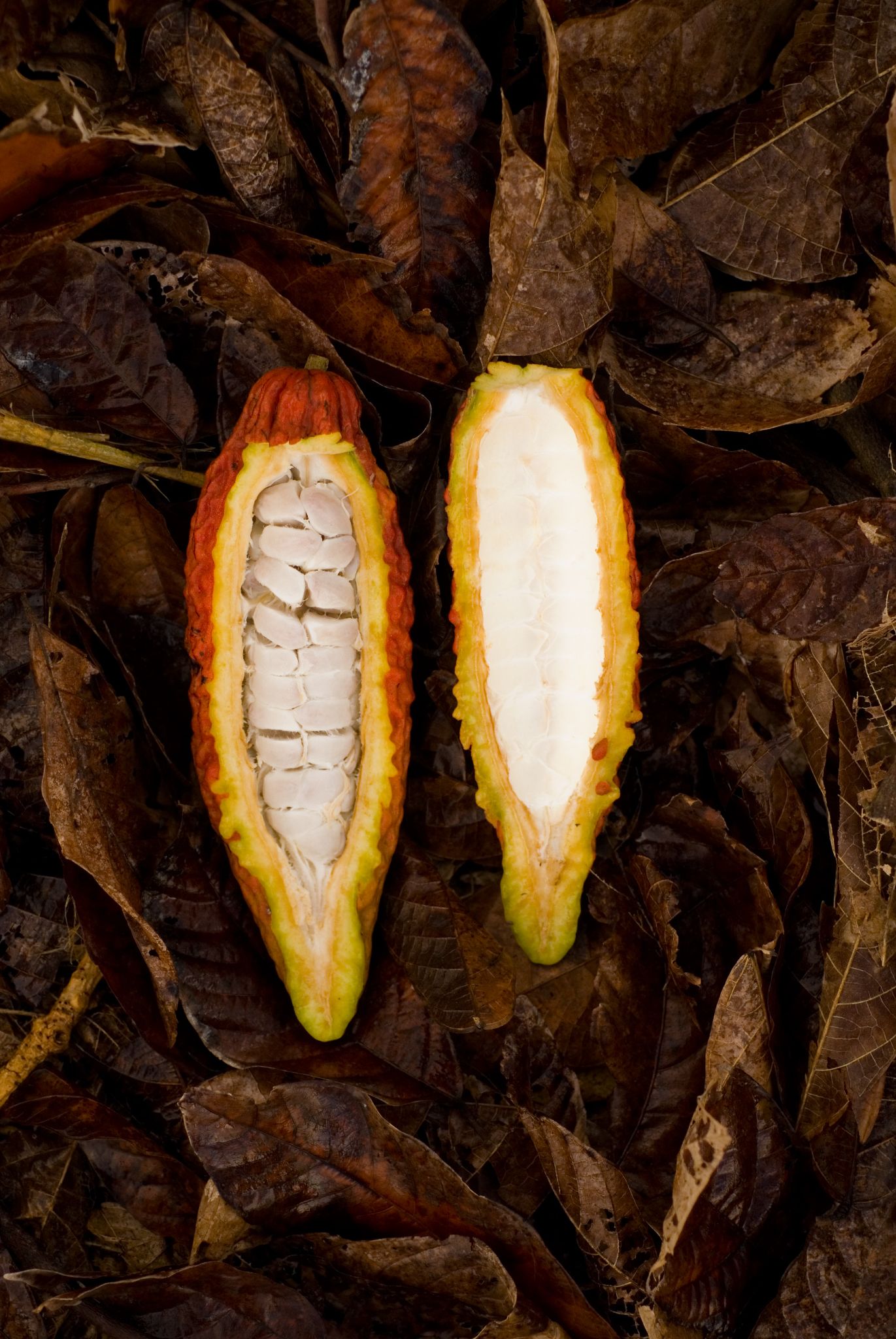
Cacao genetics: Different cacao varieties naturally produce flavors ranging from fruit and flowers to cocoa, nuts, and spice.
Climate and soil: Temperature, rainfall, elevation, and soil conditions all influence how cacao develops.
Fermentation: Farmers develop much of the cacao’s flavor during fermentation through careful timing and handling.
Drying: Proper drying preserves flavor, while poor drying may introduce harsh, smoky, moldy, or uneven notes.
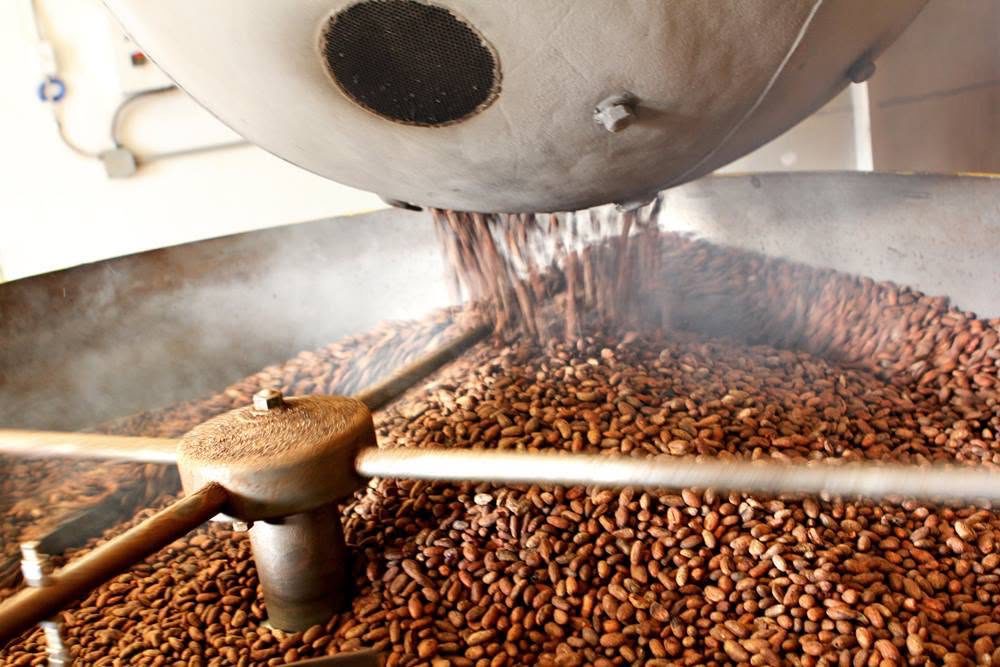
Roasting: The roast profile shapes the final flavor, bringing out brighter fruit notes or deeper cocoa character.
Refining and formulation: Refining affects texture and mouthfeel, while a simple dark chocolate bar lets more of the cacao’s natural flavor shine.
How origin may show up in flavor
People often connect certain regions with familiar flavor tendencies. Those descriptions offer a useful starting point, though they never guarantee that every bar from a country will taste the same.
| Origin | Common flavor tendencies |
| Madagascar | Red fruit, citrus, lively acidity |
| Ecuador | Floral notes, honey, nuts, cocoa |
| Peru | Dried fruit, warm spice, nuts |
| Dominican Republic | Cocoa depth, earth, spice, dried fruit |
Harvest conditions, cacao genetics, fermentation, and the maker’s process create variation within every origin. A Madagascar bar from one producer may taste very different from another Madagascar bar.
This variation gives artisan chocolate bars much of their appeal. They invite you to slow down, compare, and notice details.
Single origin vs. blended chocolate
Single origin and blended chocolate serve different purposes.
| Single origin | Blended chocolate |
| Uses cacao from one stated origin | Uses cacao from multiple origins |
| Highlights the character of one place | Combines flavors into a target profile |
| May vary between harvests | Often aims for greater consistency |
| Helps tasters compare origins | Helps makers create balance or a house style |
Neither approach automatically produces better chocolate. A skilled maker may create an exceptional blend, while careless processing may flatten the flavor of excellent single origin cacao.
The difference comes down to intent. A blend asks, “How can these origins work together?” A single origin bar asks, “What does this cacao have to say?”
Does single origin mean higher quality?
The label doesn’t guarantee quality. It only tells you where the cacao came from.
Quality also depends on:
- Healthy, well-grown cacao
- Careful harvesting
- Proper fermentation and drying
- Thoughtful roasting
- Refined texture
- Balanced formulation
- Freshness and storage
The term also doesn’t prove ethical sourcing. Detailed origin information may support traceability, but it doesn’t reveal farmer pay, labor practices, or environmental methods.
Some artisan chocolate bars cost more because makers buy smaller lots, pay more for cacao, produce in small batches, and refine each roast carefully. Look for clear sourcing and process details rather than relying on price alone.
How to taste single origin chocolate
A slow tasting helps you notice differences between origins.
- Look at the surface: Notice the color and finish, though appearance alone doesn’t reveal quality.
- Listen to the snap: Break the bar and listen. A clean snap often reflects proper tempering, especially in a dark chocolate bar.
- Smell the chocolate: Bring a piece close to your nose before tasting. Look for fruit, flowers, cocoa, nuts, spice, or roasted aromas.
- Let it melt: Let a small piece soften on your tongue. Chewing immediately may hide some of the flavor progression.
- Follow the flavor: Notice the opening flavor, the middle, and the finish. A bar may begin with fruit, shift toward cocoa, and end with a nutty or floral note.
- Compare two origins: Choose bars with similar cacao percentages. Two 70% bars offer a clearer comparison than a 55% milk bar and an 85% dark bar.
How to choose your first bar
Start with a label or product page that includes:
- The cacao origin
- The cacao percentage
- A concise ingredient list
- Tasting notes
- Details about sourcing or production
- The maker’s bean-to-bar process
Choose flavors that already appeal to you. A fruit-forward bar may suit you if you enjoy berries or citrus. A cocoa-driven dark chocolate bar may feel more familiar if you prefer roasted, nutty, or caramel-like notes.
Pick two artisan chocolate bars from different origins, taste them side by side, and write down what you notice. Your impressions don’t need to match the printed notes.
Mistakes that make chocolate harder to taste
- Assuming darker always means better: A higher cacao percentage changes the balance of cacao and sugar, but it doesn’t guarantee better beans or stronger craftsmanship.
- Judging the bar too quickly: Cold chocolate releases less aroma and melts more slowly. Let it reach room temperature, then let it melt on your palate.
- Relying too heavily on tasting notes: Use them as a guide, but focus on the flavors you actually notice.
- Comparing very different cacao percentages: Choose bars with similar percentages to make origin differences easier to taste.
Helpful tasting tools
A few simple tools make comparison easier:
- Room-temperature water
- Plain crackers for resetting your palate
- A notebook or tasting sheet
- Two or three bars with similar cacao percentages
Avoid strong coffee, perfume, scented candles, or spicy foods before tasting because they may overpower subtler notes.
Frequently asked questions
Is it always dark chocolate?
No. Makers produce single origin milk chocolate and other styles. However, many makers choose dark chocolate because a shorter ingredient list often lets the cacao’s character come through more clearly.
Does single origin mean one farm?
Not always. The term may refer to one country, region, cooperative, estate, farm, or lot. Look at the label for the maker’s level of sourcing detail.
Is single origin better than blended chocolate?
No. Single origin highlights one place, while a blend combines multiple origins to create balance or consistency. Skill and ingredient quality shape both styles.
Can I bake with single origin chocolate?
Yes. A well-made dark chocolate bar may add distinctive fruit, nut, cocoa, or spice to brownies, cookies, cakes, and sauces. Other ingredients may soften the more delicate tasting notes.
Why do two bars from the same origin taste different?
Different cacao varieties, farms, harvests, fermentation methods, roast profiles, and recipes produce different results. The maker’s choices play a major role alongside the origin.
How many bars should I compare at once?
Two or three bars give you enough contrast without overwhelming your palate. Start with similar cacao percentages and move from milder to stronger flavors.
Discover how Amano Chocolate brings each origin to life
Chocolate from one origin connects flavor to place, farming, fermentation, and the maker’s craft. It also reminds you that chocolate doesn’t have one fixed flavor. Every origin brings its own possibilities.
Amano crafts artisan chocolate bars that highlight those differences through careful sourcing, roasting, refining, and small-batch production. Explore the collection to compare tasting notes, discover the origins you enjoy most, and experience how much character one dark chocolate bar can hold.