Chocolate wine, two of life’s most celebrated indulgences: learn how to pair artisan chocolate and wine by exploring balance, texture, and origin.
Why artisan chocolate makes a difference

Quality sets artisan chocolate apart and makes it ideal for wine pairing. Makers use carefully sourced cacao from specific regions, each offering unique flavor notes — from Madagascar’s bright citrus to Venezuela’s deep, wine-like richness. Expert fermentation, roasting, and conching preserve the bean’s character and create depth, balance, and complexity.
Mass-produced chocolate often relies on sugar, additives, and blended beans, resulting in flat, overly sweet flavors that clash with wine. By contrast, artisan chocolate supports and enhances the wine, creating a thoughtful, elevated tasting experience that reflects origin and craftsmanship.
The basic principles of pairing
Pairing artisan chocolate with fine wine begins with understanding how flavor, structure, and texture interact. Both wine and chocolate offer complexity, but to achieve harmony, you must approach each pairing with purpose and attention.
Start by matching intensity. Bold wines require equally bold chocolates. A full-bodied Cabernet Sauvignon brings out the richness in high-percentage dark chocolate. Lighter wines like Pinot Noir or Riesling complement milk or white chocolate with smoother textures and gentler sweetness.
When wine and chocolate share similar depth, they enhance each other without overpowering the palate.
Use both complement and contrast to create balance. Complementary pairings highlight shared notes, so pair cherry-forward chocolate with a fruit-forward red to reinforce the flavor profile.
Contrasting pairings introduce tension and intrigue. For example, match a sea salt inclusion bar with a sweet dessert wine to create a dynamic interplay between savory and sweet. Each approach delivers a distinct sensory experience.
Focus on structure: tannins, acidity, sweetness, and mouthfeel. High-tannin wines demand fat and richness in the chocolate to soften their edges. Bright, acidic wines refresh the palate when paired with chocolate that offers fruity or tangy undertones. Always match sweetness carefully.
If the chocolate tastes sweeter than the wine, the wine may turn sharp or bitter. Align sweetness levels to maintain balance. Finally, match mouthfeel. Silky wines work best with creamy chocolate, while crisp wines cleanse the palate between bites of dense, dark bars.
Approach pairing with intention. Let each element support the other. When you match flavor, structure, and intensity, wine and chocolate create a layered, memorable experience that goes far beyond indulgence.
Classic pairings to try
Pairing chocolate with wine becomes more rewarding when you match their intensity, texture, and flavor profiles. These classic combinations highlight how thoughtful pairings elevate both elements, creating a richer, more memorable tasting experience.
Dark chocolate with Cabernet Sauvignon
Pair bold with bold. Choose a rich, dark chocolate with high cacao content and match it with a structured Cabernet Sauvignon. The chocolate’s depth enhances the wine’s dark fruit, while the wine’s tannins balance the chocolate’s bitterness. Together, they create a powerful and elegant flavor experience.
Milk chocolate with Pinot Noir
Combine milk chocolate’s creamy texture with Pinot Noir’s bright acidity and red berry notes. This pairing feels smooth and balanced, with the chocolate’s caramel tones playing off the wine’s fruit-forward character. Pinot Noir’s softness complements the richness without overwhelming it.
White chocolate with Moscato or Riesling
Match white chocolate’s buttery sweetness with a vibrant wine like Moscato or an off-dry Riesling. These wines offer floral aromatics, fresh acidity, and fruit notes that brighten the chocolate’s richness. The result feels light, playful, and indulgent without becoming too heavy.
Single-origin dark chocolate with Zinfandel or Syrah
Highlight regional character by pairing single-origin dark chocolate with wines that match its depth. Choose a bar from a region like Madagascar, Peru, or Venezuela, and pair it with a bold red like Zinfandel or Syrah. The wine’s spice, ripe fruit, and body mirror the chocolate’s complexity, revealing new layers with each taste.
Use these combinations as inspiration. Taste slowly, explore mindfully, and notice how each element changes when paired. Let flavor lead, and you’ll uncover intentional, elevated, and unforgettable pairings.
Exploring origin-based pairings
Start your pairing journey by focusing on the origin of the cacao. Like grapes in winemaking, cacao beans absorb the characteristics of their environment. Soil, climate, altitude, and local farming practices influence the bean’s flavor. This distinct sense of place, known as terroir, shapes each bar’s identity.
When you choose wine that reflects or complements those regional flavors, you create a pairing that feels intentional and elevated.
Taste the chocolate first. Identify its dominant notes. Look for brightness, richness, spice, fruit, or floral tones. Use these flavors to guide your wine selection.
For example, Madagascar cacao often delivers lively citrus, tart berries, and a clean finish. Pair it with a vibrant red like Grenache or Beaujolais. These wines bring their own fruit-forward character and natural acidity, which match the chocolate’s brightness without overwhelming it.
Venezuelan cacao usually produces deeper, more robust flavors such as raisin, molasses, or warm spice. Choose a full-bodied red like Syrah or Malbec to complement this richness. These wines bring bold fruit and structure, enhancing the chocolate’s complexity.
Peruvian chocolate often carries nutty, floral, or creamy notes. Pair it with a delicate Pinot Noir or a lightly oaked Chardonnay. These wines soften the chocolate’s earthy tones, bringing out its subtle layers without overshadowing its natural profile.
Treat both wine and chocolate as expressions of their origin. Match them based on shared qualities or compelling contrasts. By aligning their stories, you invite deeper discovery and create a tasting experience grounded in place and purpose.
Explore regional pairings with curiosity and attention. Taste thoughtfully. Let origin lead. You’ll unlock connections that reveal the craftsmanship, culture, and natural beauty behind every bar and bottle.
Tips for hosting a tasting experience

Creating a chocolate and wine tasting at home offers an elegant way to explore flavor, enjoy conversation, and indulge in sensory discovery. With a few thoughtful details, you can transform a casual evening into a curated experience that feels both luxurious and approachable.
Start with temperature
Serve chocolate at room temperature, ideally between 65°F and 70°F. This allows the cocoa butter to soften slightly and release its full aroma. If chocolate feels too cold, it will snap too hard and mute the flavor.
Let it rest outside the wrapper for a few minutes before tasting. For wine, follow general guidelines based on the type. Chill white wines to around 50°F, keep reds slightly cooler than room temperature at about 60°F to 65°F, and serve dessert wines chilled to enhance balance.
Cleanse your palate
Between pairings, sip room-temperature water or nibble on a neutral cracker to reset your taste buds. Avoid flavored sparkling waters, cheeses, or acidic fruits that linger on the palate and interfere with the subtle notes in the next pairing.
Follow a deliberate order
Begin with lighter chocolates and wines before moving toward darker, bolder flavors. Start with white chocolate or a fruit-forward milk chocolate, then progress to single-origin dark chocolate with higher cacao percentages.
Match the wine progression as well, beginning with light-bodied whites or rosés, followed by reds, and ending with dessert wines or fortified selections. This flow helps preserve clarity and avoids overwhelming your senses early in the tasting.
Create an atmosphere that encourages slow savoring
Choose elegant glassware and lay out tasting notes or pairing cards for guests to follow. Use soft, warm lighting to create a relaxed tone.
Curate a background playlist with gentle jazz, classical, or acoustic music to maintain focus and keep the energy intimate. Arrange chocolates with space between them so each feels distinct. Pour small wine samples to encourage mindful tasting rather than casual sipping.
With thoughtful preparation, your tasting becomes more than an event — it becomes a shared experience. Invite your guests to discuss what they taste, compare notes, and discover their preferences. The more attention you bring to each element, the more rewarding and memorable the evening will be.
Pairing Amano Chocolate with fine wine
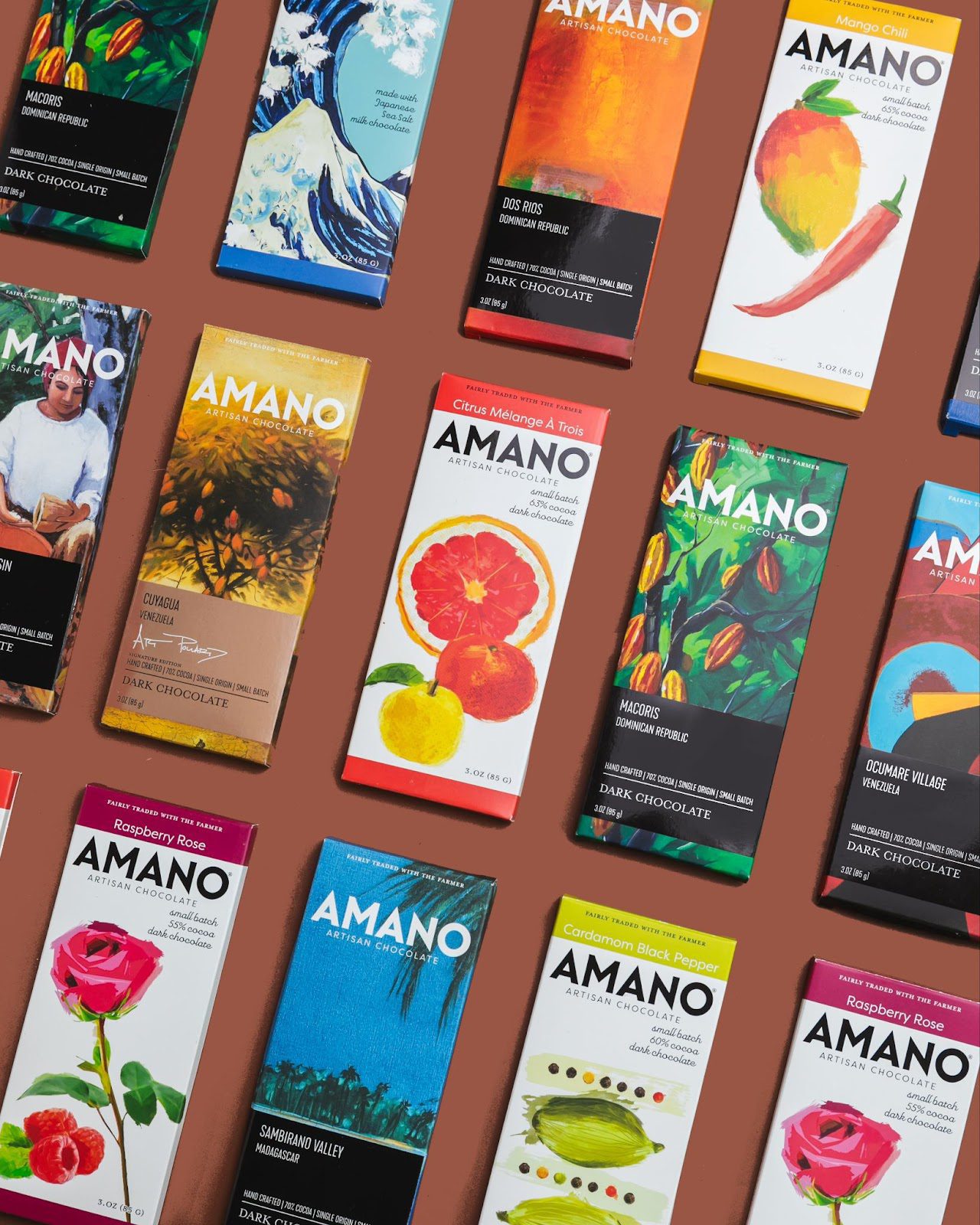
Pairing artisan chocolate with fine wine transforms flavor into an experience. When you choose chocolate made with care, you elevate every sip and every bite. Amano Chocolate offers award-winning, single-origin bars crafted to reveal the full depth of cacao.
As food writer and chocolate sommelier Estelle Tracy explains,
“I’m a big fan of pairing Amano Chocolate bars with wine for two reasons. Wine pairs well with fatty foods, and since Amano Chocolate has a good amount of cocoa butter content, I find the bars work beautifully with wine. When a chocolate doesn’t have enough cocoa butter, it feels dry and pasty in the mouth with wine. Amano also does a great job evenly distributing inclusions in their bars, so every square has the perfect amount of flavor — ideal for sharing during a pairing. I love pairing Amano’s Raspberry Rose with Pinot Noir and the Citrus Mélange à Trois with sparkling or white wines.”
Each bar pairs beautifully with thoughtfully selected wines, making Amano the perfect choice for your next tasting or an unforgettable gift. Taste the difference. Experience true chocolate with our collection.