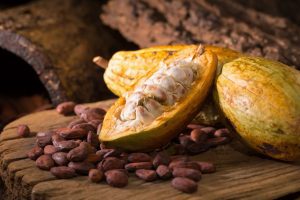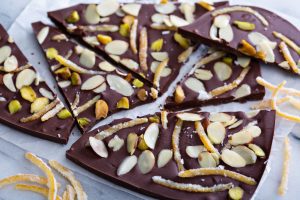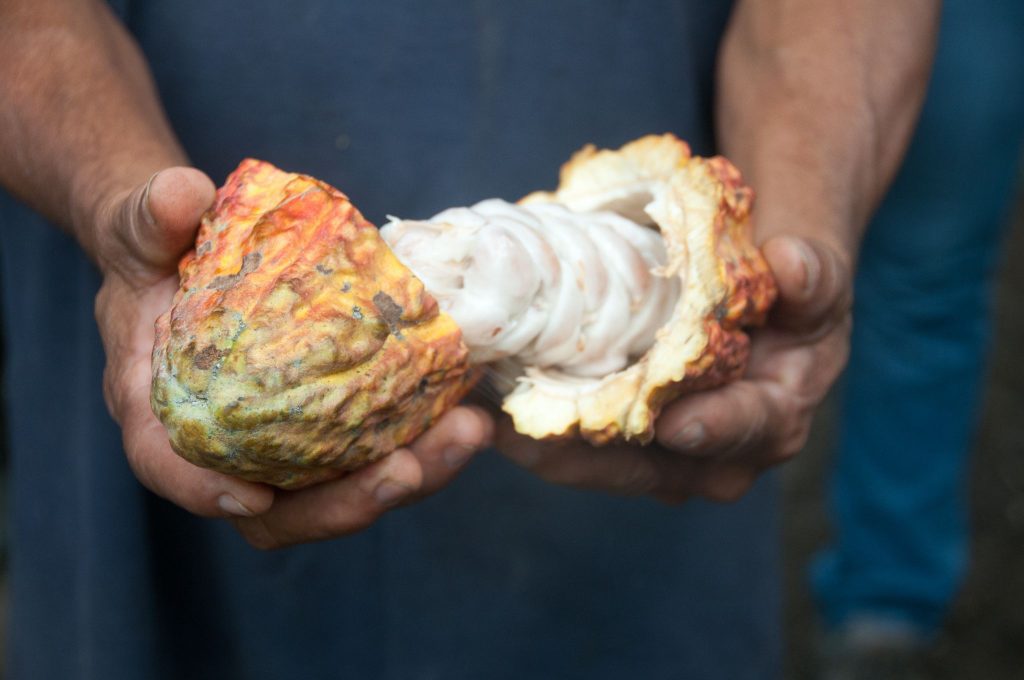
Artisanal chocolate gets its signature flavor from two forces working together: the cacao origin and the chocolate ingredients a maker chooses to include or exclude. Single-origin cacao brings fruit, floral notes, or deep cocoa richness, while ingredients like sugar, cocoa butter, milk, salt, and inclusions shape sweetness, texture, and finish. Together, they define the character of premium chocolate bars.
Why every bar tastes different
One bar tastes bright and fruit-forward. Another feels deep, nutty, and cocoa-rich. Even at the same cacao percentage, you can experience entirely different profiles because flavor starts with the cacao’s origin — then the maker shapes what you taste through the chocolate ingredients that frame it.
In this guide, you’ll learn how origin and ingredients work together to shape aroma and taste, how to read labels and tasting notes with more confidence, and how to choose premium chocolate bars that truly match your palate — whether you prefer bright and floral, warm and caramel-toned, or bold and cocoa-forward.
What shapes flavor in chocolate?
Flavor lives on a spectrum. On one end, you’ll find clean cocoa intensity and a direct finish. On the other hand, you’ll find layered aromatics that evolve as the chocolate melts: fruit, florals, warm spice, caramel, or roasted depth. Texture matters, too. A crisp snap, a silky melt, and a lingering finish make two bars with the same cacao percentage feel completely different.
To understand that spectrum, start with the two forces that shape nearly everything you taste:
1) Origin creates the raw potential
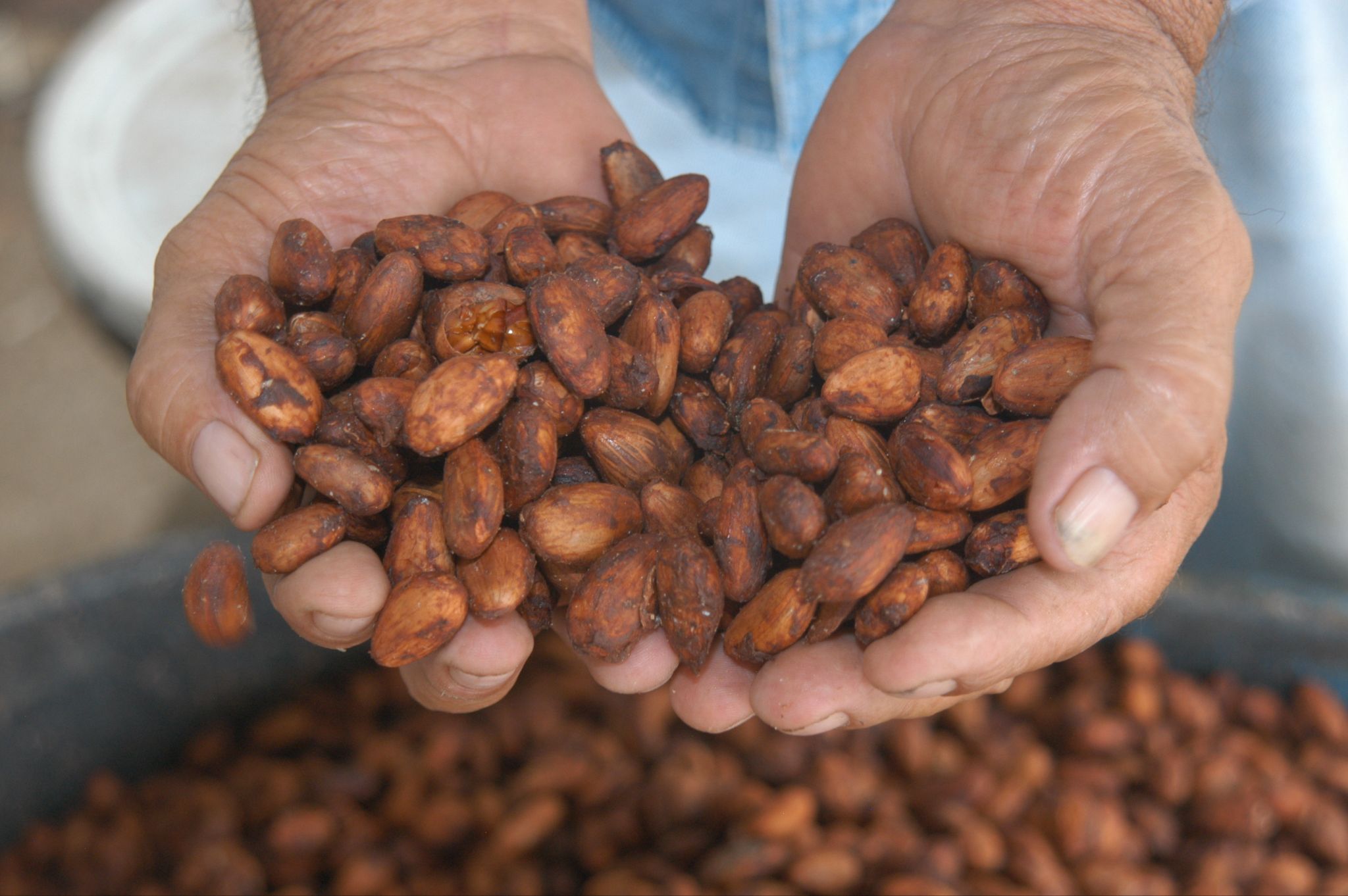
Origin includes cacao genetics, terroir (soil, climate, and elevation), and post-harvest practices such as fermentation and drying. Those factors influence which flavor precursors form in the bean and how easily a maker can highlight them later. That’s why the same percentage tastes bright and berry-like from one place and deep and cocoa-forward from another.
2) Ingredients shape the final expression
The ingredient list tells you how the maker chose to “frame” the cacao. A short list (about 3-5 Ingredients) usually emphasizes clarity of origin. A slightly longer list could still be exceptional, if complementing the cocoa with added flavors (milk, fruits, spices), but it signals a more intentional experience where other elements share the spotlight. However, low-quality chocolate also frequently features lengthy ingredient lists for cost reduction, preservation, and masking off-flavors. In either case, the best bars treat ingredients as purposeful tools rather than distractions.
This is where premium chocolate bars often stand apart. They tend to show clearer intent: fewer fillers, greater transparency, and ingredient choices designed to support aroma, texture, and balance rather than cover the cacao’s natural voice.
The cleanest bars don’t taste simple. They taste precise because each ingredient supports the cacao instead of competing with it.
How ingredients and origin build a flavor profile
Use this framework whenever you evaluate a bar in your hand or a tasting note online. It helps you predict what you’ll taste before you take your first bite.
1. Start with the origin
Look for country, region, cooperative, or estate. Origin often hints at a bar’s flavor family: fruit-forward, floral and aromatic, or cocoa-heavy and earthy. Fermentation practices at origin influence how vivid or muted those notes become later.
2. Check the cacao percentage
Cacao percentage offers context for sweetness and intensity, but it doesn’t guarantee quality. Similar to a volume knob. You tune up the intensity of the origin and process.
3. Scan the chocolate ingredients list for the “frame”
Ask one simple question: Does the formulation aim for pure origin clarity or a layered flavor design? Bars with only cacao and sugar usually lean toward clarity. Bars with milk, salt, or inclusions lean toward a more composed flavor.
4. Identify the sweetener and its “sweetness curve”
Sugar affects more than sweetness. It shapes how quickly flavors open and how bitterness registers. Cane sugar often tastes clean and neutral. Alternative sweeteners contribute their own aftertaste and shift the bar’s balance.
5. Note cocoa butter and mouthfeel
Cocoa butter influences texture, melt speed, and how aroma releases as chocolate warms. A silkier melt makes aromatics feel more pronounced, while a firmer structure emphasizes snap and intensity. This is one of the most important levers in ingredient design.
6. Account for dairy, if present
Milk tends to soften acidity and reduce perceived bitterness, which highlights caramel, cream, and nut notes. It also blurs some delicate origin aromatics inherent to the cocoa.
7. Look for supporting ingredients
Chocolate makers use salt sparingly to sharpen contrast and lift cocoa flavor. Vanilla softens edges and makes chocolate feel familiar, but too much vanilla obscures subtle origin notes.
8. Evaluate inclusions as flavor architecture
Inclusions should feel integrated, not pasted on. Citrus echoes a naturally bright cacao. Nuts amplify caramel tones. Espresso deepens a roast-like character. The goal is harmony, not noise.
9. Taste with intention
Smell first. Then let a small piece melt slowly. Notice the progression: opening notes, mid-palate, and finish. Keep conditions consistent so that you can compare bars honestly.
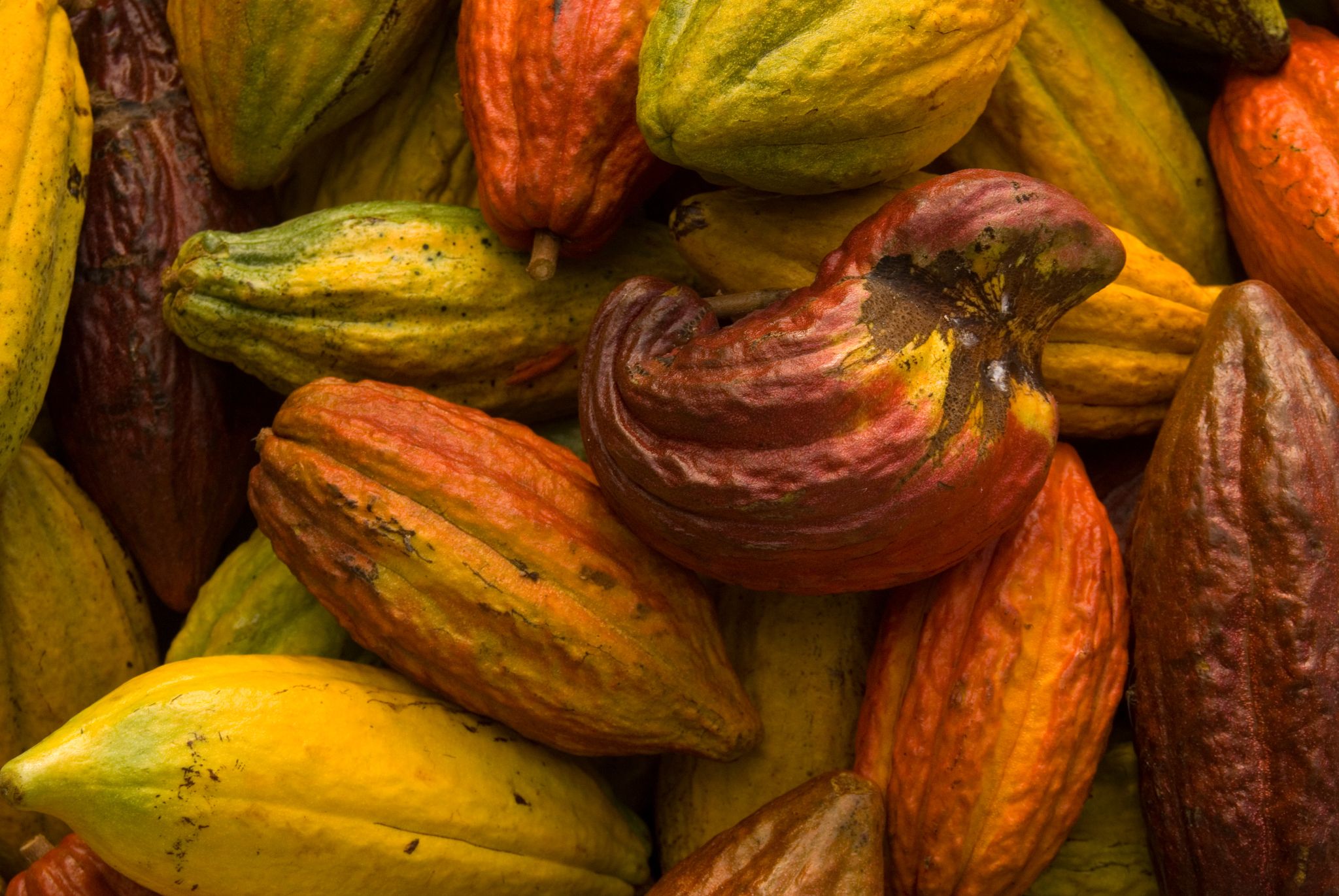
Ingredient and origin combinations and what they taste like
Below are seven scenarios that show how origin and formulation work together. Use these as a guide when reading tasting notes or choosing your next bar.
1) Bright origin + minimal ingredients
A simple chocolate bar from a naturally bright origin often tastes vivid and clean. At Amano, our standard dark chocolate bar contains just four pure and simple ingredients (Cocoa, Cocoa Butter, Pure Cane Sugar, Whole Vanilla Beans). You may smell berry or citrus before you taste anything, then notice acidity that feels like fresh fruit rather than sourness. With simple chocolate ingredients, fermentation and roast decisions stand out more clearly because nothing else competes for attention.
2) Floral origin + silk-forward texture
Some origins lean aromatic, with perfume-like florals and gentle fruit. When the maker designs for a silky melt, those aromatics bloom slowly as the chocolate warms.
3) Cocoa-forward origin + a precise touch of salt
In cocoa-heavy bars, a small amount of salt sharpens the contrast and makes cocoa taste “more cocoa.” Salt is a natural flavor enhancer. It also tightens the finish, making the bar feel cleaner and more structured. This pairing works especially well when the cacao leans toward earthy, nutty, or roasted notes, because salt lifts definition without overwhelming nuance.
4) Nutty-caramel cacao + milk for roundness
Milk chocolate still expresses its origin when the cacao has enough character and the formulation stays balanced. If the cacao already suggests caramel and nuts, milk amplifies those notes, creating a plush, dessert-like profile. The tradeoff is that milk softens brightness in fruit-driven cacao, which some palates love, and others miss.
5) Citrus-leaning cacao + orange inclusion
When cacao naturally leans citrusy, orange peel, or citrus oil feels seamless. The difference between reinforcing and masking shows up in the finish. A well-designed bar lets the cacao lead, then uses citrus to extend the aroma rather than replace it. This is where ingredient restraint matters most.
6) Earthy cacao + espresso
Espresso additions often deepen perceived intensity and emphasize roasted notes. If you want a darker, bolder impression without jumping to very high cacao percentages, espresso delivers that perception while keeping sweetness and texture in balance.
7) Spice-friendly cacao + warming spices
Cinnamon, cardamom, chile, or ginger either overwhelm cacao or reveal new layers, depending on dosage. In the best examples, spice feels like a thread running through the bar rather than a separate layer. These bars often feel longer on the finish, with complexity that complements the cocoa’s flavors.
Benefits of understanding ingredients
Ingredient literacy improves your shopping decisions and your chocolate-tasting experience. When you understand what each ingredient does, you stop guessing and start choosing bars that genuinely match your preferences.
- Choose bars that fit your palate, whether you prefer bright fruit or deep cocoa richness.
- Compare premium chocolate bars with more clarity than cacao percentage alone.
- Recognize when an ingredient list supports cacao character rather than covering it.
- Build better pairings with coffee, tea, wine, fruit, and cheese
- Appreciate why thoughtful bars taste more varied and expressive across origins and styles
When you know how chocolate ingredients work, you don’t only taste chocolate. You understand it.
Common mistakes to avoid
Even experienced chocolate lovers fall into a few traps. Avoid these, and your tasting becomes more consistent and rewarding.
- Judging quality by cacao percentage alone: Percentage signals intensity and sweetness, not fermentation quality, roast skill, or balance.
- Assuming “premium” always means transparent sourcing: Some labels say “premium” without naming the origin or clarifying the process.
- Ignoring sweetener type and aftertaste: Sweeteners alter how bitterness is perceived and how quickly flavors unfold.
- Overlooking added oils or heavy flavoring: When non-cacao fats or aggressive flavoring dominate, origin character often disappears.
- Comparing bars at different temperatures: Cold chocolate tastes muted. Warm chocolate tastes louder. Keep tasting conditions consistent.
- Expecting every origin to taste like “classic chocolate”: Some origins lean bright and fruit-forward; others lean deep and cocoa-forward.
- Forgetting inclusions shifts perception: Salt, nuts, citrus, and spices all change perceived acidity and bitterness. Compare like with like whenever possible.
Data and research insights
Chocolate is sensory, but the mechanisms behind flavor are measurable.
- Fermentation and drying create the precursors that roasting later transforms into key chocolate aromas.
- Roast profiles influence which aromatics rise and how acidity and bitterness are present in the finished bar.
- Cocoa butter influences viscosity and aroma release, shaping how flavor unfolds during melt.
- Sensory frameworks help tasters consistently describe cacao and chocolate, especially when identifying flavor notes.
Tools and recommendations
Read a label quickly
- Origin: country, region, cooperative, or estate
- Cacao %: intensity context
- Chocolate ingredients: what frames the cacao
- Notes: what the maker expects you to taste
Set up a simple home tasting
- Taste at room temperature
- Keep water nearby
- Avoid strong flavors beforehand
- Take quick notes on the aroma, melt, and finish
Use a short tasting checklist
- Snap: Is it clean and crisp?
- Aroma: Is it distinct and inviting?
- Melt: Is it smooth and even?
- Progression: Does it evolve?
- Finish: Is it clean, long, and balanced?
Build a tasting flight
To understand the spectrum, choose three bars with the same percentage from different origins, then compare a minimal-ingredient bar against a bar that adds salt, milk, or a single inclusion. This is one of the best ways to understand why premium chocolate bars taste so different while remaining equally refined.
FAQ
What chocolate ingredients should high-quality chocolate include?
High-quality bars often use a short list: cacao, sugar, and sometimes cocoa butter. Some include vanilla or a small amount of emulsifier for texture. The best formulations keep ingredient choices purposeful so the cacao stays clear and balanced.
Do premium chocolate bars contain emulsifiers?
Some do, and some don’t. A small amount supports texture and flow, but it shouldn’t dominate the ingredient list. If you prefer the purest expression, choose bars that keep the formula simple and transparent.
Why do some dark bars taste fruity or floral?
Origin, fermentation style, and roast profile create fruit-forward or floral aromatics. Minimal chocolate ingredients often make those notes easier to detect, because fewer additions compete with the cacao’s natural character.
Does cocoa butter change flavor or texture?
Cocoa butter primarily affects texture and melt, and it also influences how chocolate releases aroma as it warms. A silkier melt may make aromatics feel more pronounced and improve the sense of progression from first note to finish.
How do inclusions affect tasting notes?
Inclusions reinforce cacao’s natural notes or shift the profile. Citrus echoes bright cacao, salt sharpens cocoa depth, and nuts amplify caramel tones. Thoughtful inclusion design should support the cacao rather than cover it.
What’s the best way to taste artisanal chocolate at home?
Taste at room temperature and let a small piece melt slowly. Smell first, then note sweetness, acidity, bitterness, texture, and finish. Keep your method consistent, so you compare bars honestly.
How does sugar-type change the flavor of chocolate?
Different sugars create different sweetness curves. Cane sugar tends to taste clean and neutral, while alternative sweeteners can add their own caramel, molasses, or fruity notes. Sugar choice also changes how strongly you perceive acidity and bitterness in the finished bar.
Why does the same origin taste different across brands?
Even with the same cacao origin, makers use different roast profiles, refining, and conching choices, and they may use different cocoa butter or sugar levels. Those decisions change texture, aroma release, and balance, which can make two bars from the same region taste noticeably different.
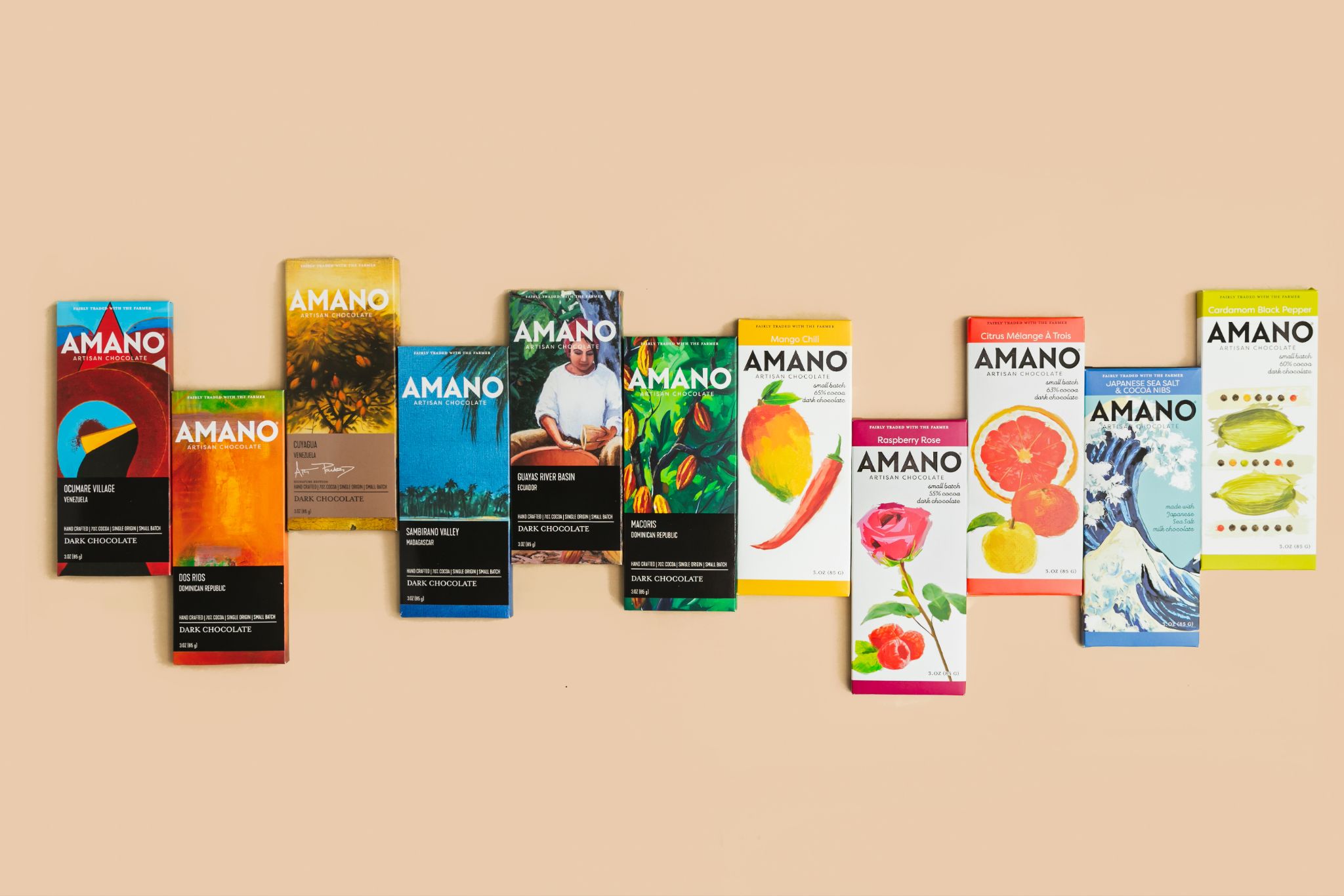
Explore the flavor spectrum with Amano Chocolate
Flavor lives where origin and chocolate ingredients meet. When makers craft artisanal chocolate with intention, they let cacao’s natural character lead, then use ingredients to refine sweetness, texture, and finish.
If you want to taste the spectrum firsthand and explore premium chocolate bars from different origins and ingredient styles, shop Amano Chocolate to build your own tasting flight and discover which profiles you love most.