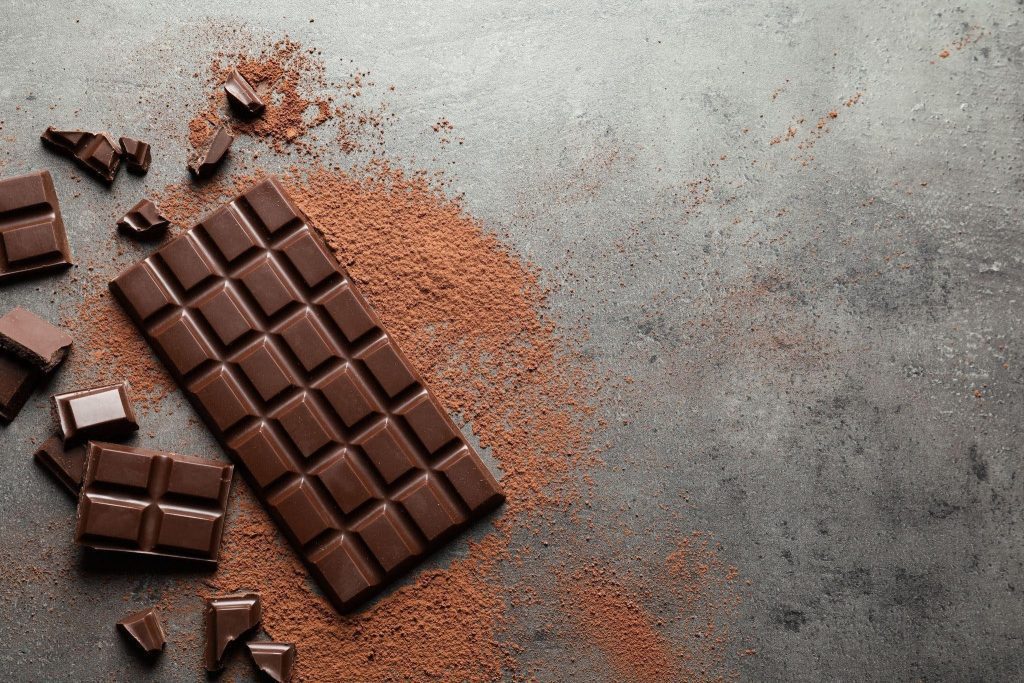
Artisanal chocolates stand apart from supermarket chocolate in sourcing, craftsmanship, and flavor experience. Many supermarket chocolate bars are designed for consistency and convenience, while single-origin chocolate often highlights terroir, fermentation, and bean-to-bar craftsmanship. Understanding those differences helps chocolate lovers choose chocolate with more intention.
A closer look at what sets great chocolate apart
Chocolate may look similar on the shelf, yet offer a very different experience in the mouth. A neatly wrapped bar from a grocery aisle may satisfy a familiar craving, while a carefully crafted bar from a bean-to-bar maker reveals layers of fruit, spice, earth, or floral character.
In this guide, we will explore how artisanal chocolates compare with supermarket chocolate bars, why single-origin chocolate matters, and how readers taste the difference with greater confidence.
Differences between artisanal and supermarket chocolate
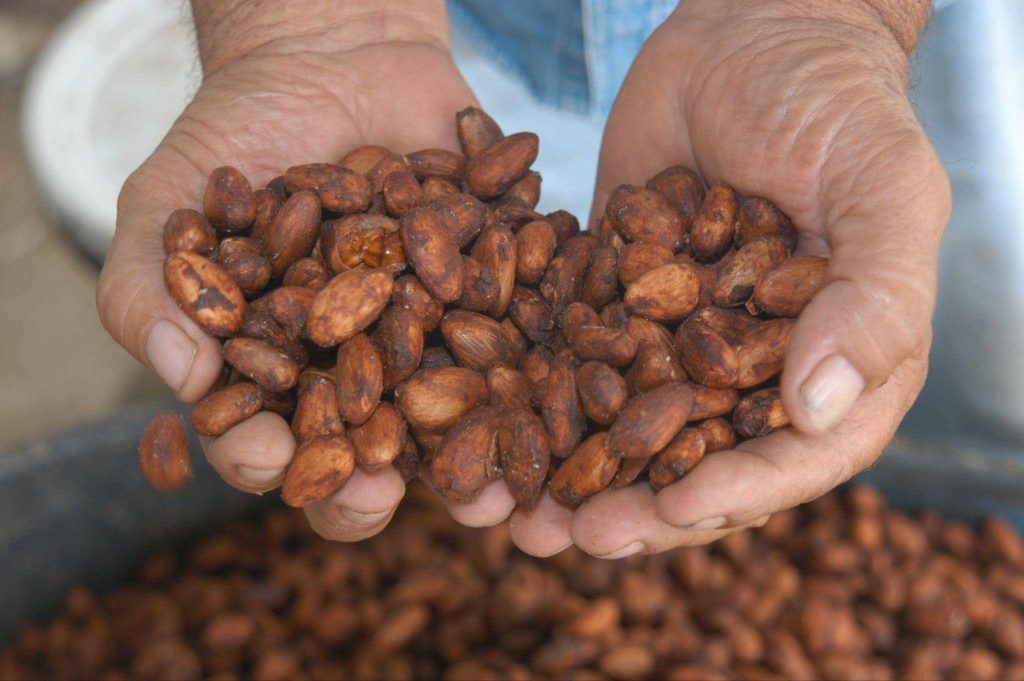
The difference starts with cacao. Artisanal chocolate makers often pay close attention to origin, fermentation, roasting, and refining to highlight the character of the beans. In single-origin chocolate, that means preserving the flavor of a specific place.
Manufacturers usually make supermarket chocolate bars for consistency, convenience, and broad appeal. Artisanal chocolate makers focus more on sourcing, small-batch production, and flavor.
Additionally, artisanal chocolates often use a shorter ingredient list that lets cacao shine, while supermarket bars may include added flavorings or emulsifiers to support large-scale production.
The clearest difference is in the tasting experience. Supermarket chocolate often tastes familiar and straightforward. Artisanal chocolate reveals layers of fruit, spice, nuts, or floral notes.
Texture also plays an important role. Lower-cost chocolate often has a larger particle size, which can make it feel grainier on the palate than higher-end chocolate. Some low-end bars can also feel rubbery at room temperature, with noticeable flex rather than a clean snap.
How to compare chocolate bars
Read the label closely
Look for cacao percentage, ingredient list, and origin information. If the wrapper identifies the bar as single-origin chocolate, that usually signals a stronger focus on place, flavor identity, and transparency.
Compare ingredients
Place two chocolate bars side by side and compare what each one includes. Simpler formulas often make it easier to taste the cacao itself, though balance still matters.
Study appearance
Good chocolate should look well-made and carefully handled. A smooth surface and clean molding suggest attention to detail, although visual perfection alone doesn’t guarantee quality.
Listen for the snap
In darker bars, a crisp snap often indicates proper tempering. This is one small but useful clue when assessing texture and craftsmanship. If a bar bends easily or twists at room temperature instead of snapping cleanly, that may point to a lower-end texture and formulation.
Smell before tasting
Bring the chocolate close and notice whether you pick up fruit, nuts, floral notes, spice, caramel, or deep cocoa. The aroma previews how the flavor may unfold.
Let it melt slowly
Resist the urge to chew immediately. Allow the chocolate to soften on the palate so you notice changes in body, sweetness, acidity, and finish. As it melts, pay attention to whether the texture feels silky and refined or noticeably grainy.
Notice the flavor progression
Some bars open with bright acidity, then move into roasted or nutty depth. Others stay steady and sweet throughout. That progression is part of what makes single-origin chocolate so compelling.
Pay attention to the finish
Ask whether the flavor lingers clearly or dissipates quickly. A long, balanced finish reveals thoughtful processing and roasting choices.
Benefits and importance
- Helps readers make more informed choices when comparing chocolate bars
- Builds appreciation for bean-to-bar craftsmanship and careful sourcing
- Makes it easier to understand why some bars express more flavor complexity
- Encourages a more thoughtful tasting experience rooted in aroma, texture, and finish
- Introduces readers to the value of single-origin chocolate and terroir
- Supports interest in transparency, ethical sourcing, and small-batch production
- Gives readers better language to describe what they enjoy in artisanal chocolates.
Common mistakes to avoid
- Assuming a higher cacao percentage always means better chocolate: Percentage is useful, but it doesn’t automatically indicate quality, balance, or flavor complexity.
- Judging chocolate only by sweetness: Good chocolate also reveals acidity, texture, aroma, and finish. Sweetness is only one part of the experience.
- Ignoring origin details: When readers overlook sourcing information, they miss one of the clearest clues about how a bar may taste.
- Confusing premium packaging with craftsmanship: Beautiful design attracts attention, but it doesn’t always reflect what is inside the wrapper.
- Rushing the tasting process: Eating too quickly makes it harder to notice how chocolate develops on the palate, especially with single-origin chocolate.
- Overlooking texture cues: Graininess, waxiness, or a rubbery bend can reveal important differences between lower-end and more carefully crafted chocolate bars.
What research shows about flavor, craftsmanship, and chocolate quality
- Multiple factors, including genetics, terroir, fermentation, drying, roasting, and refining, shape cacao flavor.
- Fermentation is one of the most influential stages in flavor development, helping create the compounds that later become fruit, floral, nutty, or spice notes during roasting.
- Consumer interest in premium and craft foods has grown alongside a wider appreciation for provenance, transparency, and sensory experience.
- Shorter ingredient lists make it easier for the character of cacao to come through clearly in finished chocolate bars.
- Makers focused on artisanal chocolates often communicate more sourcing details because origin is central to how the chocolate is understood and enjoyed.
- Particle size also affects the tasting experience. Finer chocolate tends to feel smoother and more polished, while larger particle sizes can create a coarser, grainier texture.
How to taste, compare, and choose chocolate with more confidence
If you want to explore more deeply, the best tool is a side-by-side tasting. Choose two or three chocolate bars with similar cacao percentages, then compare them slowly. One is a supermarket bar, one is a craft blend, and one is a single-origin chocolate. This creates a clearer frame of reference.
A tasting journal can also be helpful. Write down aroma, texture, sweetness, acidity, and finish. Over time, patterns begin to emerge, and tasting becomes more intuitive.
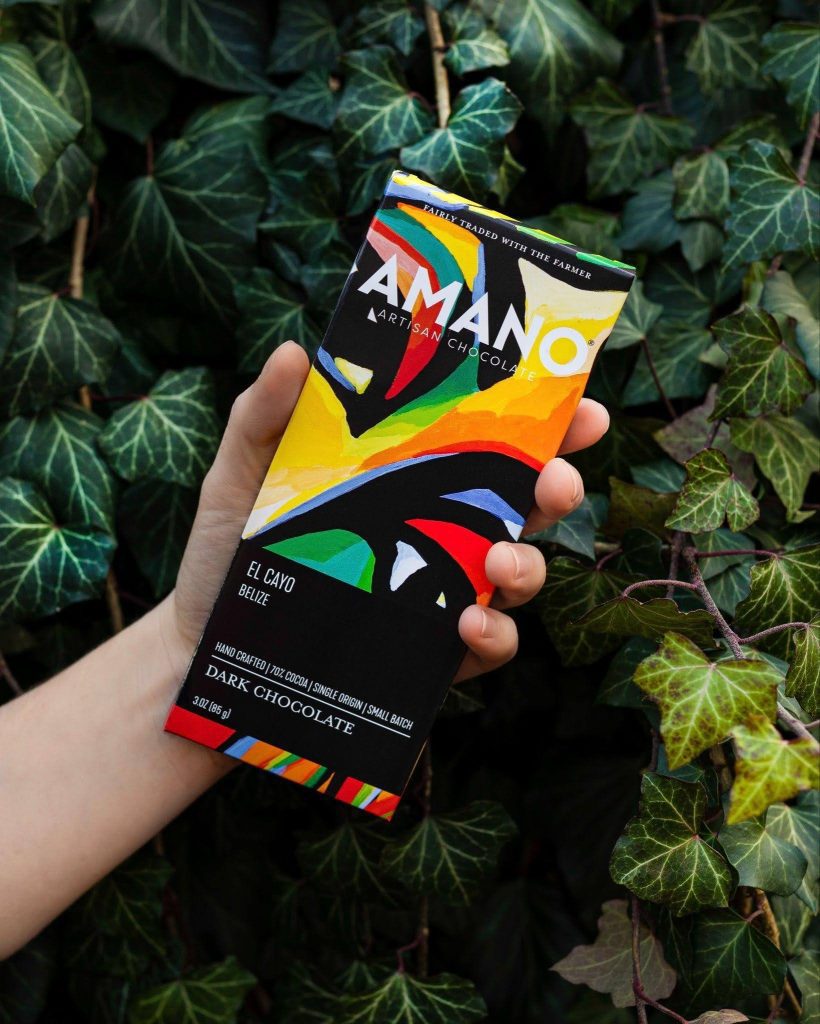
For product exploration, start with bars that clearly identify origin and tasting notes. That kind of labeling invites curiosity and makes the experience more educational. Amano’s bean-to-bar approach, single-origin focus, and small-batch craftsmanship make it easier for readers to connect flavor with place.
Readers interested in artisanal chocolates may also enjoy sampler sets, dark chocolate collections, or pairing tastings with espresso, black tea, fruit, or cheese. These small rituals foster a richer appreciation for what careful chocolate-making offers.
FAQ
What makes artisanal chocolate different from regular chocolate?
Chocolate makers often produce artisanal chocolates in smaller batches and give closer attention to sourcing, flavor, and process. Instead of aiming only for consistency at scale, they may highlight bean origin, fermentation quality, and bean-to-bar craftsmanship. That often results in a more distinctive flavor and a more expressive tasting experience.
Is single-origin chocolate always darker or more intense?
Not necessarily. Single-origin chocolate refers to the origin of the cacao, not how dark the bar is. Some origins may taste bright and fruity, while others may lean toward nutty, earthy, or floral notes. Intensity depends on roast, formulation, and the natural character of the cacao itself.
Why do supermarket chocolate bars taste more similar to each other?
Manufacturers make many supermarket chocolate bars for broad appeal, long shelf life, and consistent large-scale production. That process often smooths the flavor into a dependable profile. Craft makers usually allow more of the cacao’s individuality to remain present in the finished bar.
How should I start tasting chocolate more carefully?
Begin by reading the label, smelling the bar, and letting it melt slowly on your palate. Notice how the flavor changes over time. Comparing two or three bars side by side, especially when one is single-origin chocolate, makes differences in aroma, body, and finish much easier to understand.
Are artisanal chocolates better for gifts?
They often make thoughtful gifts because they offer story, origin, and sensory depth in addition to flavor. When a bar reflects terroir, small-batch production, and careful sourcing, it feels more personal and memorable than a standard supermarket option, especially for food lovers and curious tasters.
Discover chocolate more thoughtfully with Amano Chocolate
Understanding the difference between artisanal and supermarket chocolate changes the way people taste, shop, and appreciate cacao. From sourcing and fermentation to flavor notes and finish, thoughtful chocolate offers much more than sweetness alone.
Explore Amano’s artisanal chocolates to learn more about single-origin chocolate, compare expressive chocolate bars, and discover how artisanal chocolates turn an everyday treat into a more meaningful experience.