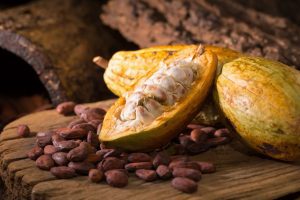
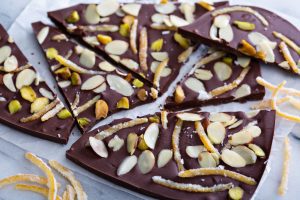
Chocolate begins in the cacao belt, a tropical band near the equator where farmers harvest cacao pods and ferment and dry the beans. Chocolate makers then roast, refine, and temper those beans into finished bars. Understanding origin helps you choose artisan chocolate, compare premium chocolate bars, and taste the distinct character different regions bring to dark chocolate bars.
From cacao grove to chocolate bar: The journey behind every bite
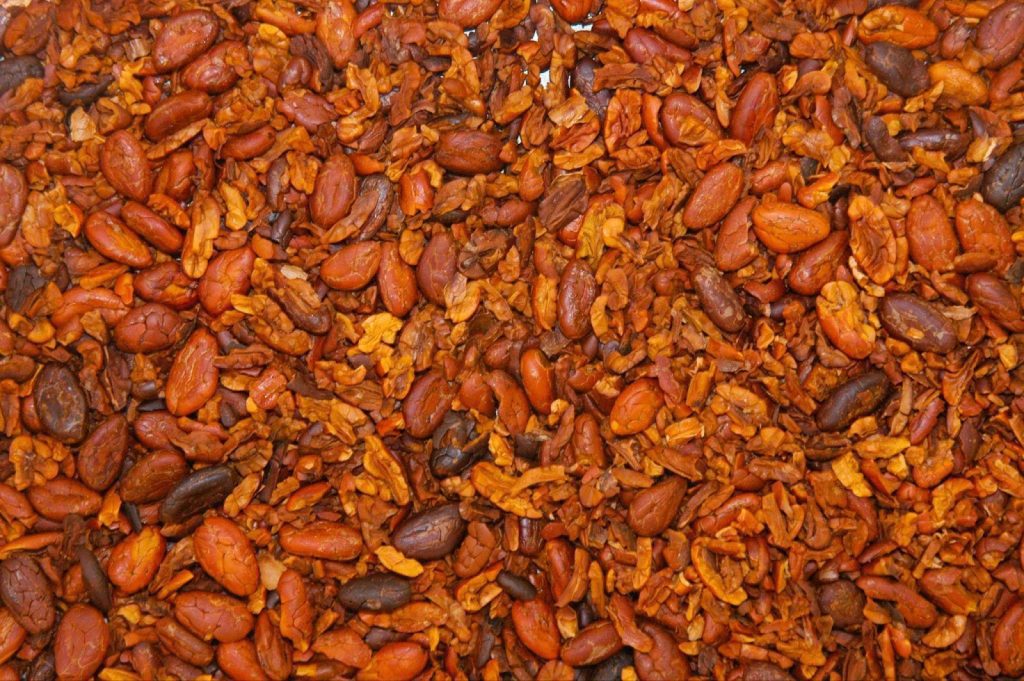
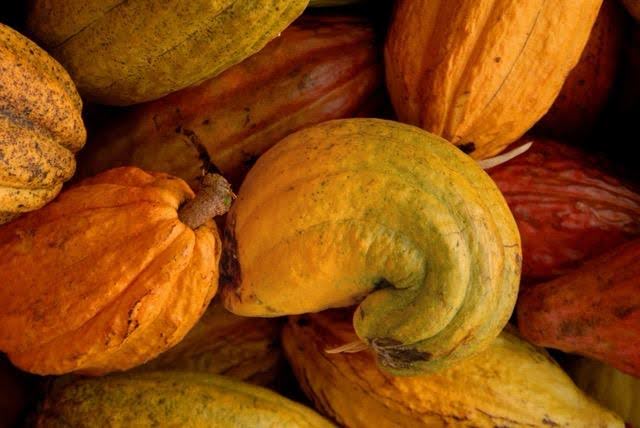
Chocolate’s story begins long before the wrapper. In tropical cacao-growing regions, farmers cut ripe pods from shade-grown trees and open them by hand. From there, the beans are fermented and dried to develop flavor, then sorted and shipped across the world, where a chocolate maker roasts and refines them into a bar that’s smooth, aromatic, and deeply satisfying.
In this guide, you’ll explore where cacao grows, how origin shapes flavor, and what “traceability” actually means when you shop. You’ll also learn how to evaluate premium chocolate bars and why thoughtfully made artisan chocolate often expresses its birthplace more clearly than any label ever could.
What does “origin” mean in chocolate
When people ask where chocolate comes from, they’re usually asking two questions at once: where the cacao grew, and how the maker handled it. In chocolate, origin refers to a country (Ecuador), a region (Esmeraldas), a cooperative, or even a single estate. The more specific the origin, the more likely the bar reflects distinct flavor traits tied to climate, soil, genetics, and post-harvest practices.
Origin also affects expectations. A “made in” label usually tells you where the maker produced the bar, not where farmers grew the cacao. A bar labeled with a cacao origin points to the agricultural starting line, which matters because cacao carries its own natural fingerprint. That fingerprint comes from varietal genetics, terroir, and fermentation choices that shape flavor long before roasting begins.
This is where artisan chocolate stands apart. Many makers treat cacao the way vintners treat grapes, emphasizing clarity, transparency, and a flavor profile that reflects a specific place. The best premium chocolate bars do not rely on artificial flavorings or excessive sweeteners to taste “chocolatey.” Instead, they highlight what the cacao already contains: fruit notes, floral aromatics, deep cocoa richness, or spice-like warmth.
Origin is more than a point on a map. It’s a flavor system built from genetics, terroir, fermentation, and roast.

A tasting journey: How regions shape flavor
If cacao is agriculture, then flavor is geography. Different origins often show recognizable patterns, especially in dark chocolate bars that keep ingredients minimal. Below is a global tasting journey you can use as a practical guide while you shop and taste.
Ecuador
Ecuador is one of the most compelling origins to explore because it’s closely tied to Nacional cacao, a famed “fine aroma” variety known for its floral character. Many Ecuadorian-origin bars are elegant and aromatic, with jasmine-like fragrance, gentle fruit, and a clean finish.
Nacional nearly disappeared after disease outbreaks and widespread hybridization in the early 20th century, and many believed the pure variety was lost. More recently, researchers confirmed that ancient Nacional trees still survived — DNA analysis of trees found in Piedra de Plata showed that nine were 100% pure ancient Nacional, helping revive interest in Ecuador’s most celebrated cacao lineage.
Madagascar
Madagascar-origin cacao is known for its bright acidity and vivid fruit notes, often described as red-berry or citrus-forward. In well-made premium chocolate bars, this brightness feels intentional and refreshing, not sour. If you love a lively, fruit-driven chocolate experience, Madagascar is worth exploring.
Venezuela
Chocolate lovers worldwide celebrate Venezuela for its fine, aromatic cacao, especially its historic Criollo varieties — some of the most prized cacao types in the world. Criollo is exceptionally rare and delicate, representing about 0.01% of cacao cultivated worldwide, yet makers prize it for its unmatched aromatic quality.
Venezuelan cacao often delivers balanced richness: deep cocoa, nutty warmth, caramel tones, and subtle spice, with a long, refined finish. Alongside rare Criollo lots, modern Venezuelan production also includes significant quantities of Trinitario hybrids. This cross improves resilience while preserving much of the aromatic character that makes Venezuelan cacao so distinctive.
Ghana and the Ivory Coast
Ghana and Côte d’Ivoire anchor the world’s cocoa supply, producing nearly two-thirds of global cocoa and shaping what many people think of as “classic chocolate.” Much of their cacao comes from Forastero-type “bulk” cocoa, the workhorse variety widely used in commodity chocolate because it’s reliable, abundant, and cocoa-forward.
While Forastero is often less aromatic and complex than rare “fine flavor” cacao, it delivers the deep, familiar cocoa base that feels nostalgic to many consumers. In the hands of a careful maker, West African beans can still produce expressive, satisfying dark chocolate bars with excellent body, structure, and richness.
Peru
Peru stands out as a global hub for cacao biodiversity, which is why Peruvian-origin bars can range from dried fruit and gentle nuttiness to vivid floral aromatics. Much of Peru’s production comes from Amazonian Forastero (often prized for its resilience and dependable cocoa body). Still, the country is also known for fine-flavor cacao, including Piura’s white-seeded Cacao Blanco and the native, aromatic Chuncho from the Cusco/Urubamba region.
Because Peru grows such a wide mix of genetics and fermentation styles, its flavor spectrum stays wonderfully broad — adventurous, yet approachable — especially when makers prioritize clean post-harvest handling to let those natural notes come through.
Dominican Republic
The Dominican Republic is best known for Trinitario cacao, a natural hybrid of Forastero and Criollo that balances resilience with aromatic character. That heritage often shows up in the bar as a fruit-forward profile with warm cocoa depth, gentle spice, and a smooth, approachable finish. Many Dominican-origin bars feel welcoming and easy to love, making them an excellent starting point for origin-focused tastings and a reliable choice for gifting.
This is why origin matters. Where cacao grows — and how farmers ferment it — can make the same cacao percentage taste completely different. When you taste across origins, you don’t just eat chocolate; you take a global tour, one bar at a time.
Benefits of knowing where your chocolate comes from
Understanding the origin does more than satisfy curiosity. It changes how you shop, taste, and value what’s in your hands.
- You taste more than sweetness; it’s terroir. Knowing the origin helps you notice fruit, floral notes, spice, or deep cocoa structure.
- You shop with more confidence. Transparent sourcing makes it easier to evaluate quality and consistency in premium chocolate bars.
- You connect your purchase to people and place. Chocolate begins with farmers, and origin awareness encourages more responsible choices.
- You compare bars more accurately. Instead of relying solely on cacao percentage, you evaluate aroma, melt, and finish, especially in dark chocolate bars.
- You understand what makes craft worth it. With artisan chocolate, more of the cost reflects careful sourcing, small-batch production, and flavor-driven process decisions.
Once you start paying attention to origin, chocolate becomes less like a generic treat and more like a sensory map.
Common mistakes to avoid when buying chocolate
Even experienced chocolate fans fall into a few common traps. Avoiding these helps you find bars that taste better and align with your values.
- Assuming cacao percentage equals quality
Percentage matters, but it doesn’t guarantee good fermentation, clean flavor, or a balanced roast.
- Confusing “made in” with “grown in”
A bar can be made in one place using cacao from another. Look for cacao origin details if you want traceability.
- Ignoring fermentation and drying
Poor post-harvest practices create harsh acidity or off-flavors that no amount of craftsmanship will fully fix.
- Treating “premium” as a label, not a standard
Some packaging claims “premium” status without providing clarity on sourcing, ingredients, or processes. True premium chocolate bars usually provide more transparency.
- Overlooking ingredient lists
Simple is often better. Many high-quality dark chocolate bars use cacao, sugar, and sometimes cocoa butter.
- Expecting all dark chocolate to taste the same
Origin, fermentation, and roast make two 70% bars taste dramatically different.
These small shifts in how you shop will quickly improve the taste of what you buy.
Key facts that shape cacao flavor worldwide
Chocolate is sensory, but it’s also measurable. A few research-backed ideas can help you interpret what you’re tasting.
- Cacao grows near the equator. Most cacao farming happens in the humid “cacao belt” about 20° north to 20° south.
- Fermentation creates flavor precursors. Microbes build the compounds that later become chocolate’s signature aromas.
- Roasting develops aroma and balances acidity. Heat transforms those compounds into classic cocoa notes and softens sharpness.
Think of flavor as a three-part equation: origin + fermentation + roast. When you taste thoughtfully, you can often tell which part of the equation stands out.
Tools and recommendations for choosing better bars
You don’t need specialized training to taste like a pro. A few simple tools and habits make a big difference.
Read labels like a chocolate maker
- Look for cacao origin (country, region, or estate)
- Check ingredients for simplicity
- Note cacao percentage, but treat it as context, not a score
Use a quick tasting checklist
- Snap: Does the bar break cleanly?
- Aroma: What do you smell before you taste?
- Melt: Does it feel smooth and even?
- Finish: Do flavors linger, and do they stay pleasant?
FAQs
Where is most cacao grown?
Most cacao grows near the equator in the “cacao belt,” where warm, humid conditions support cacao trees.
What does “single-origin” mean in chocolate?
Single-origin means the cacao comes from one place, usually a country or region, rather than a blend of multiple sources.
Are dark chocolate bars always of higher quality?
No. Dark chocolate bars feature cacao flavor clearly, but quality depends on sourcing, fermentation, and roasting.
Why do two bars with the same cacao percentage taste different?
Origin, fermentation, and roast change flavor, so two bars with the same percentage taste completely different.
What should I look for when buying premium chocolate bars?
Look for clear origin details, a short ingredient list, and a maker that explains sourcing and process.
Taste the world with Amano Chocolate, one origin at a time
Chocolate’s origin shapes its flavor, character, and story — connecting every bar to the farmers, landscapes, and fermentation choices that bring cacao to life. When you understand that journey, you can choose artisan chocolate with confidence, compare premium chocolate bars with clarity, and explore dark chocolate bars as a true tasting tour of the world.
Shop Amano Chocolate and explore our single-origin collection to taste how cacao’s birthplace shines in every bite.