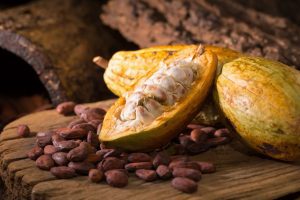
Everything great about artisan chocolate, from the richness and aroma to the flavor, originates with the cocoa bean.
As vintners distinguish grapes for wines, chocolate makers pay close attention to cacao varietals to define the flavor from the ground up. Creating distinct tastes, textures, and aromas.
Four major cocoa varietals shape the world’s chocolate: Forastero, Trinitario, Criollo, and Nacional. Understanding how they differ gives chocolate lovers a deeper appreciation for what makes each bar of chocolate unique.
Whether you favor the bold backbone of Forastero cacao, the floral delicacy of chocolate Criollo, or the balanced nuance of Trinitario and Nacional beans, exploring these varietals opens a door into chocolate’s most fascinating layer.
What is a cocoa varietal?
A cocoa varietal refers to a distinct group within Theobroma cacao, the species that gives us chocolate. These varietals differ not only in appearance and yield but also in the subtle chemical compounds that determine aroma and taste.
Today, many farms grow hybrids, but four classic groups remain the foundation for how chocolate makers describe flavor.
Identifying and sourcing by varietal is an act of respect for the bean’s identity. The goal isn’t to mask the natural flavor but to let it speak for itself through precise fermentation, roasting, and blending.
Diversity shaped by history and environment
Long before chocolate took the shape we know today, cacao thrived deep within the rainforests of the Amazon Basin. Indigenous people first discovered its potential thousands of years ago, cultivating it not merely as a food source but as a sacred crop — a symbol of life, energy, and connection to the divine.
The Maya and Aztec peoples became early stewards of the plant, cultivating it with care and reverence. They ground roasted cacao beans into a rich drink called xocolatl, flavored with chili and honey, for rituals, royalty, and warriors. Cacao beans were so prized that they even served as a form of currency.
When Spanish explorers encountered the crop in the 16th century, they carried it across the Atlantic, forever changing its story. From Mesoamerica to Europe and beyond, cacao adapted to new climates, soils, and agricultural practices. Natural hybridization and human selection shaped its evolution, giving rise to distinct cocoa varietals.
The four chocolate varietals
Each variety of cocoa bean carries its own aromas, textures, and flavors. Together, they form the foundation of every chocolate bar crafted around the world.
The four main cocoa varietals are Forastero, Criollo, Trinitario, and Nacional. These beans differ in both how they grow and how they taste.
Exploring these varietals reveals how deeply nature and craftsmanship intertwine. Each one offers a glimpse into chocolate’s past and a promise for its future — proof that authentic flavor begins long before the first roast.
Forastero
Originating in the Amazon Basin and thriving across West Africa, Forastero accounts for 80-85% of the world’s cocoa crop. Forastero beans grow in abundant pods on hardy trees resistant to disease.
This resilience comes with a flavor profile as bold as its nature. Nutty, woody, or bitter notes often characterize Forastero cacao’s robust, earthy flavor. This flavor embodies the classic taste of commercial chocolate bars worldwide.
Through thoughtful fermentation and careful roasting, chocolate makers draw out the natural richness, softening the edges and creating a balanced, satisfying complexity. Well-crafted Forastero celebrates strength and structure — the foundation of chocolate’s universal appeal.
Criollo
Native to Central America and northern South America, Criollo is exquisite in flavor but delicate in temperament. The Criollo bean makes up 1-5% of the total cocoa crop. The lower-yielding pods are lighter in color and encase pale, fragile beans. Disease and environmental stress devastate Criollo crops, making chocolate Criollo rare and highly prized.
The sensory experience is remarkable with minimal bitterness and gentle acidity. Its flavor is soft, creamy, and layered, with notes of caramel, nuts, red fruit, and honey. The result is an almost buttery texture and a lingering sweetness that defines many of the world’s most celebrated fine chocolates.
Cultivating Criollo requires exceptional care and commitment. Artisan chocolate makers value it not only for its taste but also for its symbolism, a reminder that perfection often demands patience and precision.

Trinitario
Where Forastero and Criollo meet, Trinitario was born. In the 18th century, devastating storms in Trinidad wiped out much of the Criollo crop. Farmers replanted using hardy Forastero stock, and nature did the rest, producing a hybrid that combined Forastero’s resilience with Criollo’s elegance.
Trinitario soon became the go-to varietal for artisan chocolate makers who wanted the best of both worlds. Today, the Trinitario varietal accounts for 10-15% of the world’s cocoa crop. The beans are diverse in shape and color, reflecting their hybrid heritage. Their flavor changes from bright and fruity to deep and spicy depending on the region.
A balanced acidity, smooth texture, and notes of dried fruit or wine characterize typical Trinitario chocolate. This balance often serves as the foundation for award-winning bars. It’s forgiving in cultivation yet expressive in taste and speaks of adaptability without compromise.
Nacional
Native to Ecuador’s upper Amazon region, this varietal’s unparalleled floral aroma is known the world over. Its unique profile increased its popularity in Europe, making it amongst the most desired cocoa beans among chocolatiers.
By the 20th century, disease and hybridization nearly erased Nacional trees, thought to be extinct until 2007. Researchers and farmers rediscovered pockets of authentic Nacional genetics in remote Ecuadorian valleys, sparking a revival of this treasured varietal. Now, Nacional beans account for less than 1% of the total cocoa bean crop.
The flavor of Nacional chocolate is unmistakable: fragrant and elegant, with notes of jasmine, orange blossom, and subtle tropical fruit. Its gentle sweetness and low bitterness make it a favorite among chocolate makers who value sophistication over intensity.
Sourcing Nacional beans isn’t only about taste — it’s about honoring history and biodiversity. Each bar crafted from Nacional cacao reflects a commitment to purity, preservation, and the art of revealing chocolate’s natural perfume.
Modern hybrids and emerging varietals
Over the past century, researchers, farmers, and artisan chocolate makers have continued to explore and develop new hybrids. These modern strains were born out of necessity and curiosity, as cacao farmers sought beans that could resist disease, thrive in diverse climates, and still deliver the depth of flavor that defines fine chocolate.
Hybrids, such as Carenero Superior from Venezuela or Amelonado from West Africa, strike a delicate balance between strength and character. Carenero Superior, often associated with Trinitario heritage, boasts bright acidity and subtle spice. Amelonado, a cultivated Forastero variety, produces a deep, round cocoa flavor that serves as a reliable base for blends yet shines beautifully in the hands of skilled craft makers.
Researchers have rediscovered ancient beans such as Chuncho cacao from Peru’s Cusco region. Believed to be one of the oldest genetic varieties still in cultivation, Chuncho offers floral, nutty, and honeyed notes that rival the elegance of Criollo. Its revival has sparked new excitement among chocolate makers and conservationists alike, reminding us that innovation in cacao often means looking to the past.
How place shapes flavor
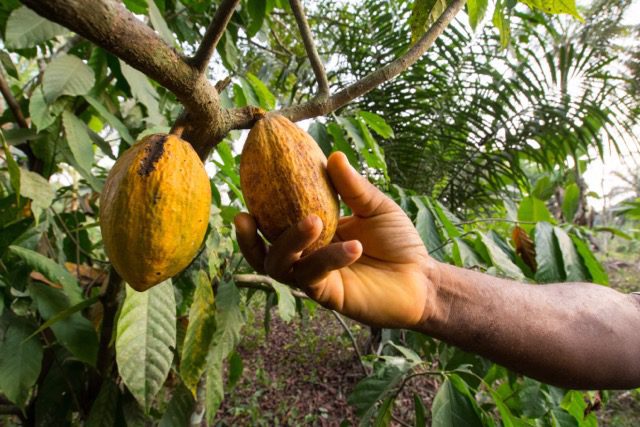
Even within the same varietal, no two cacao beans taste exactly alike. Their flavor reflects the environment in which they grow. This sense of place, known as terroir, manifests climate, soil, altitude, and local farming practices to create a flavor profile unique to each origin.
Cacao trees thrive in the narrow band around the equator, where temperature, rainfall, and humidity remain steady throughout the year. Within this tropical belt, subtle differences in geography make a profound impact.
Beans grown in volcanic soil, for example, often carry bright fruit acidity and clean, citrusy tones, while those cultivated in dense rainforest regions develop earthier, deeper chocolate notes. Coastal climates produce beans with gentle sweetness, while high-altitude farms yield cacao with heightened aromatics and balanced acidity.
Farmers and chocolate makers understand that terroir is more than geography — it’s a living relationship between the tree and its environment. The minerals in the soil, the microorganisms in the air, even the shade provided by surrounding plants influence how cacao ripens and ferments. Each factor leaves an imprint, shaping the aroma that blooms in the finished chocolate.
Terroir serves as both inspiration and guide.
How varietal meets craftsmanship
Unlocking the potential of different cocoa varietals requires mastery. The journey from bean to bar transforms raw cacao into chocolate that expresses its identity. The transformation depends on precision, patience, and respect for the bean’s origin.
First, the cacao bean ferments. As cacao pulp ferments, natural yeasts and bacteria generate heat and acid, breaking down the bean’s sugars and developing aroma compounds. Criollo beans need shorter fermentation and cooler temperatures to preserve their floral complexity. Forastero benefits from longer fermentation that softens bitterness and deepens the cocoa flavor.
Next comes roasting, where temperature and timing shape the flavor of the beans. A deep roast mellows the strong, earthy tones of Forastero, while a gentle roast enhances the caramel and nut notes of chocolate Criollo. Trinitario and Nacional fall between these extremes, requiring experimentation to find their perfect balance.
During conching, the mixture smooths out and develops its flavor. Hours — sometimes days — of slow mixing allow acids to dissipate and complex notes to bloom. Amano’s small-batch approach to conching and tempering ensures that the distinct identity of each varietal remains intact.
This level of attention embodies the philosophy of artisan chocolate: crafting with intention, not automation. Every decision honors the bean’s individuality — artistry meeting science.
Why varietals matter to chocolate lovers
Understanding cacao varietals deepens not only your appreciation of chocolate’s flavor but also its integrity. Each varietal represents a lineage shaped by people and place — farmers preserving seeds, artisans refining methods, and consumers valuing authenticity.
Varietals are more than ingredients. They are partnerships with nature and history. Recognizing them connects you to sustainability, ethical sourcing, and biodiversity conservation. Choosing chocolate by varietal supports growers who maintain heirloom trees and protect cultural heritage.
Knowing what you’re tasting enhances the experience. When you savor Criollo or Forastero, you’re not only enjoying flavor — you’re tasting centuries of evolution and human artistry.
Artisan chocolate celebrates diversity in every sense: in the genetics of the beans, the environments from which they come, and the hands that craft them.

Discovering authentic flavor with Amano
From the bold depth of Forastero cacao to the rare delicacy of chocolate Criollo, each varietal tells a story of place, tradition, and craftsmanship. When guided by skilled hands, those differences become art — transformed into chocolate that captures the essence of its origin.
At Amano Chocolate, that artistry defines everything we do. Amano crafts each bar in small batches, using time-honored methods that preserve the cacao’s integrity and celebrate the farmers who grow it.
If you’re ready to experience chocolate crafted with purpose and precision — rich in character, layered with flavor, and true to its roots — explore our entire Amano Chocolate collection. Discover how craftsmanship, ethics, and flavor converge in every bite, and taste the difference that begins where flavor starts: with the bean itself.