What’s the Difference Between Dark Chocolate Percentages?

Freshly opened yellow cocoa pod displaying white pulpy seeds alongside whole cocoa beans on a wooden surface.

Dark chocolate percentages show how much of a finished dark chocolate bar comes from cacao ingredients by weight. A higher percentage usually leaves less room for sugar, though it doesn’t automatically create a more bitter or better bar. Origin also shapes the flavor. Fermentation develops it further. Roasting, refining, and formulation influence the finished chocolate.

What dark chocolate percentages really tell you

A 60% bar and an 85% bar may sit beside each other on the same shelf, yet the numbers only tell part of the story. Many people read cacao percentage as an intensity scale. In practice, it describes the recipe more than the flavor.

Understanding that difference helps you choose a dark chocolate bar more confidently and pay closer attention to the cacao itself.

What dark chocolate percentages actually mean

The percentage on a chocolate label indicates how much of the finished product comes from cacao-derived ingredients by weight.

That total may include:

  • Cocoa mass or cocoa liquor: Ground cacao nibs that contain cocoa solids and cocoa butter.
  • Added cocoa butter: The natural fat from cacao, which also counts toward the cacao percentage.

Take a 70% dark chocolate bar as an example. Roughly 70% of the finished bar comes from cacao ingredients. The remaining portion usually includes sugar plus any other ingredients in the recipe.

Two 70% bars may still feel different. One maker may use more cocoa mass. Another may add more cocoa butter for a smoother melt.

The percentage also can’t predict exactly how much dark cocoa flavor you’ll taste. The cacao’s origin and the maker’s formulation have a much stronger influence on the finished profile.

How cacao percentage changes a chocolate bar

As cacao percentage rises, the recipe usually leaves less room for sugar. That shift often makes the cacao more noticeable, though every bar behaves differently.

Here’s a practical guide:

  • 50%–60% cacao: Usually sweeter, with a softer cacao presence.
  • 60%–70% cacao: More cacao comes forward while noticeable sweetness remains. This range works for eating and baking.
  • 70%–75% cacao: Cacao takes a stronger role. This range often works well for tasting single-origin chocolate.
  • 80%–90% cacao: Sweetness drops further. The dark cocoa character often feels deeper and more concentrated.
  • 90%–100% cacao: Very little sugar remains, or none at all. These bars suit people who enjoy concentrated cacao flavor.

These ranges show general tendencies. A higher number doesn’t guarantee more bitterness.

How to choose a percentage for different uses

The best percentage depends on what you want the chocolate to do.

For eating on its own

Many people enjoy the 65%-75% range for tasting. It leaves enough sweetness for balance while giving cacao room to show through.

An artisan chocolate bar in this range may reveal bright fruit. Another origin may be floral or roasted.

For baking

Look at the sweetness of the full recipe before choosing a bar.

  • A sweet cookie dough may pair well with a stronger dark chocolate bar.
  • A less-sweet cake may work better with chocolate closer to 60%.
  • Brownies often benefit from a percentage that keeps the chocolate flavor clear after baking.

For ganache and sauces

Higher-cacao chocolate usually creates a stronger chocolate presence. Lower percentages bring more sweetness.

For tasting single-origin chocolate

Compare bars with similar percentages. Two bars at around 70% make it easier to notice how the origin changes the flavor without introducing a major difference in sweetness.
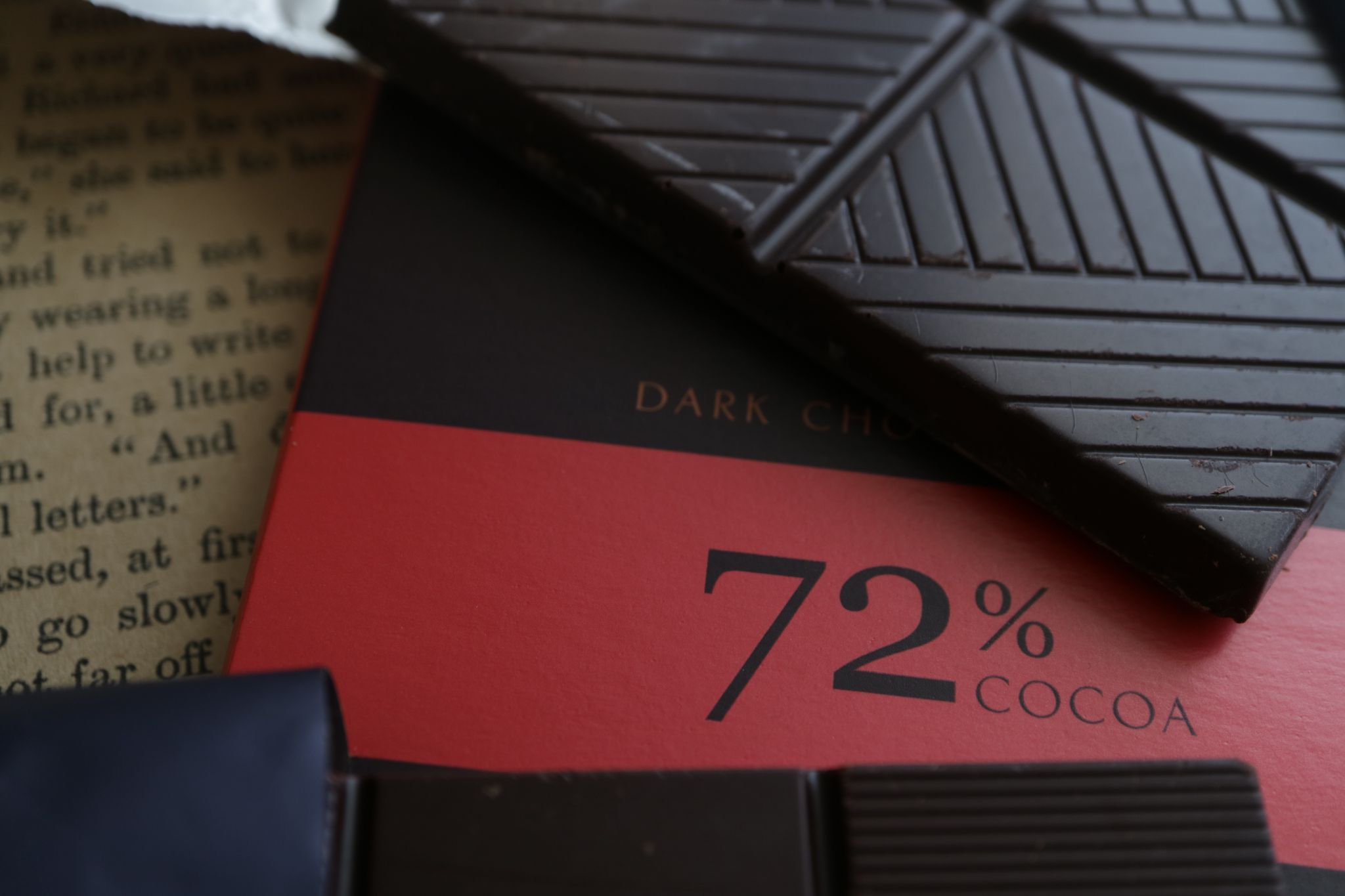
Close-up of a 72% cocoa dark chocolate bar lying over its red packaging.

Why do two bars with the same percentage taste different

Cacao percentage gives you a useful reference point, but it doesn’t define the flavor. Two 70% bars may taste very different because the chocolate-making process shapes how the cacao expresses itself.

Several factors influence the final profile:

  • Origin: Cacao from different places begins with different flavor potential.
  • Fermentation: Fermentation develops flavor before the beans reach the chocolate maker.
  • Roasting: The roast profile brings certain characteristics to the fore.
  • Refining: The maker changes the texture through refining, which also influences how flavor unfolds.
  • Formulation: The balance of cocoa mass and cocoa butter changes how the bar feels on the palate.

One artisan chocolate bar may taste lively and fruit-forward. Another may show a deeper dark cocoa character.

Benefits of understanding cacao percentages

Knowing what the number means helps you shop and taste with more intention.

It helps you:

  • Estimate how sweet or cacao-forward a bar may taste
  • Compare bars with similar formulations
  • Pick the chocolate that fits a recipe
  • Separate cacao percentage from assumptions about quality
  • Pay closer attention to the origin and craftsmanship

That context helps when choosing an artisan chocolate bar. The percentage gives you one clue. Origin and process tell you more.

Common mistakes when reading chocolate percentages

  • Assuming higher means better: An 85% bar doesn’t automatically offer better chocolate than a 70% bar. The cacao itself and the maker’s process play a much bigger role in the final quality.
  • Assuming higher means more bitter: Some cacao naturally tastes softer. Fermentation and roasting also influence how much bitterness comes through.
  • Treating percentage as a flavor score: The number can’t tell you whether a bar will taste fruity or floral. It also can’t predict a dark cocoa profile.
  • Assuming equal percentages means equal recipes: Two makers may use different amounts of cocoa mass and cocoa butter while keeping the same total cacao percentage.
  • Choosing by percentage alone: Look at the origin. Read the tasting notes. Consider the maker’s process. A dark chocolate bar tells you far more than its percentage.

What chocolate standards tell us

Chocolate labeling focuses on composition. The percentage tells you how much cacao-derived material the finished product contains.

The percentage won’t tell you:

  • How the producer handled fermentation
  • How the maker developed the roast profile
  • How the maker refined the chocolate
  • What flavor characteristics the origin naturally carries

A larger cacao percentage often brings more dark cocoa intensity, though the number can’t predict exactly what you’ll taste.

An artisan chocolate bar often provides more context through origin information and tasting notes.

How to compare dark chocolate bars

Try this process:

  1. Choose two bars with similar percentages. Two 70% bars work well.
  2. Check the origins. Pick bars from different cacao-growing regions.
  3. Taste the first slowly. Let a small piece melt before chewing.
  4. Notice the opening flavor. Pay attention to sweetness and the first clear cacao note.
  5. Follow the finish. Notice how the flavor changes as the chocolate melts.
  6. Taste the second bar. Repeat the process before comparing the two.

One bar may move toward fruit. Another may show more dark cocoa depth.

Keeping the percentages close removes one major variable. This works especially well with a single-origin artisan chocolate bar.

FAQ

Is 70% dark chocolate very dark?

Seventy percent gives cacao a strong presence while leaving room for sweetness. Many people find this range balanced for everyday tasting. A 70% dark chocolate bar also gives single-origin cacao room to show distinctive flavor.

Does a higher cacao percentage mean less sugar?

Usually, yes. As cacao takes up more of the recipe, less room remains for sugar. Other ingredients may affect the exact amount, so the percentage doesn’t always equal a precise sugar percentage.

Does higher-percentage chocolate always taste more bitter?

No. Bitterness comes from more than the cacao percentage. The cacao itself sets the foundation, while fermentation and roasting influence how sharp, mellow, or balanced the finished chocolate tastes.

What percentage of dark chocolate works well for beginners?

Many people start around 60% to 70%. That range offers a recognizable dark chocolate flavor while keeping some sweetness. Move higher if you enjoy stronger cacao or lower if you prefer more sweetness.

What percentage works best for tasting cacao origin?

Around 70% often works well because cacao plays a strong role without completely removing sweetness. Comparing bars at similar percentages also makes differences in origin easier to notice, especially with an artisan chocolate bar.
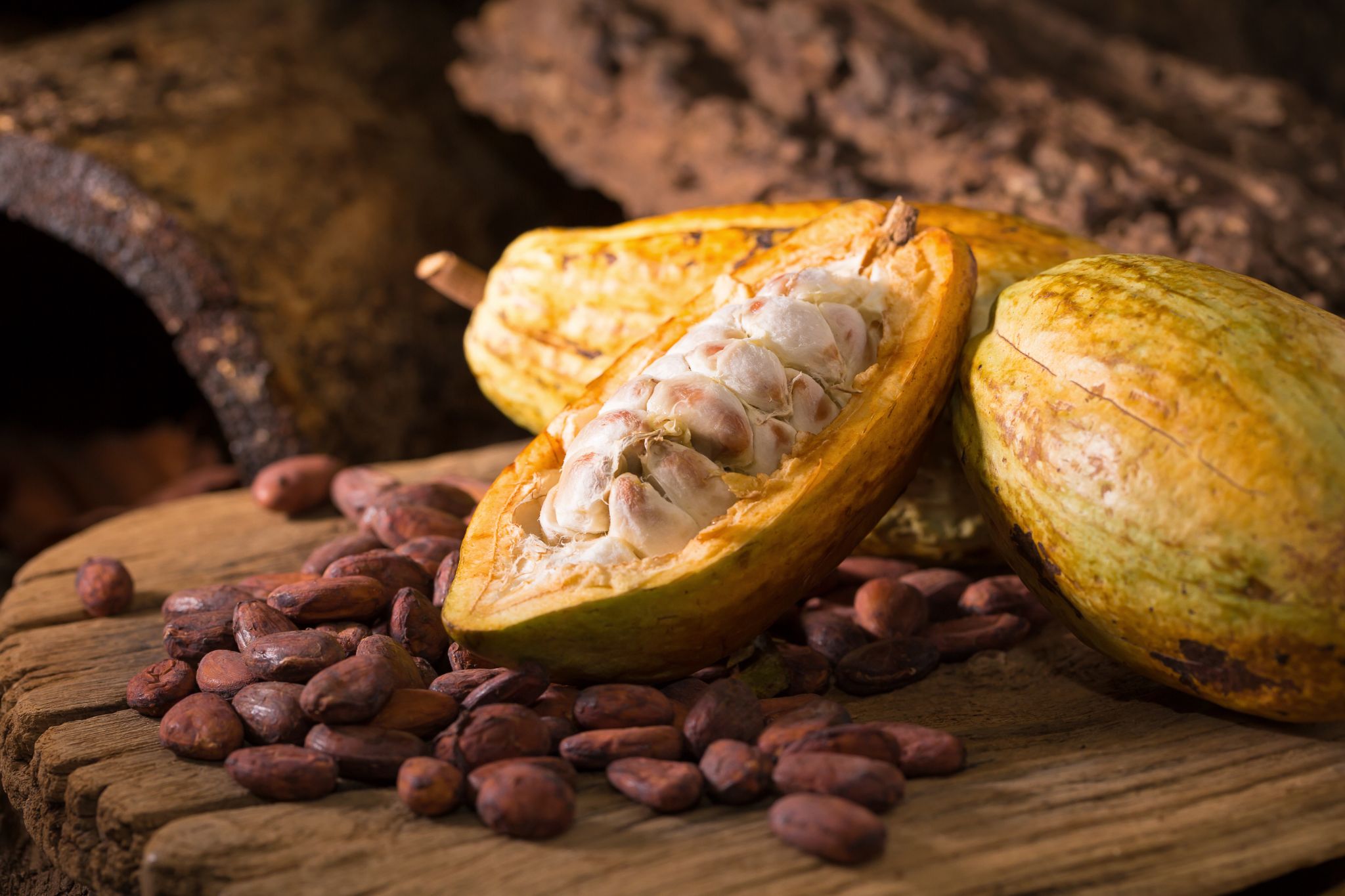
Freshly opened yellow cocoa pod displaying white pulpy seeds alongside whole cocoa beans on a wooden surface.

Understanding dark chocolate percentages with Amano Chocolate

Cacao percentage gives you a helpful starting point, but it only explains part of what you’ll taste. Origin sets the flavor foundation, and the maker shapes that character through each step of the process.

When you compare chocolates, use the percentage as one clue. Then look at the cacao origin, read the tasting notes, and pay attention to how the flavor changes as the chocolate melts.

Explore Amano Chocolate to compare origins and see how each dark chocolate bar reflects its cacao’s character.

Quick and Easy Salted Chocolate Bar Bark with Pistachios

Broken pieces of dark chocolate bark topped with sliced almonds, pistachios, and candied orange peel.

Pistachio chocolate bark turns a few good ingredients into a polished dessert with little effort. Gently melt the dark chocolate, spread it over parchment, then add roasted pistachios and flaky sea salt before chilling until firm. The recipe takes less than 30 minutes of active work and requires no special equipment.

Why simple ingredients make better chocolate bark

Chocolate bark looks impressive, but the method stays simple. Roasted pistachios add savory nuttiness, while flaky salt sharpens the contrast.

Artisan chocolate makes an especially noticeable difference because nothing hides the cacao. The Madagascar 70% dark chocolate bar brings brighter fruit character, while Ocumare Village takes the bark in a deeper direction.

Why this pistachio chocolate bark works

The appeal comes from contrast. A dark chocolate bar gives the bark a firm base and clear cocoa flavor. Pistachios bring roasted warmth with a slightly savory edge. Flaky sea salt lifts both flavors without making the bark taste overly sweet.

The short ingredient list also makes quality easier to notice. With only a few additions, the cacao still leads the experience. That makes this recipe a useful way to compare chocolates from different origins.

Salted dark chocolate bark with pistachios

Ingredients

  • 2 Amano dark chocolate bars, such as Madagascar 70% or Ocumare Village, roughly chopped
  • 1/2 cup roasted salted pistachios, roughly chopped
  • 1 teaspoon flaky sea salt, such as Maldon
  • 2 tablespoons dried tart cherries or food-grade edible rose petals, optional

1. Prep the pan

Line a rimmed baking sheet with parchment paper. Keep your work surface completely dry, as even a small amount of water can cause melted chocolate to seize.

2. Melt the chocolate

Place the chopped chocolate in a heatproof bowl. Microwave it in 20-second bursts, stirring well after each round.

Stop heating when about three-quarters of the chocolate has melted. Small pieces should still remain. Stir continuously and let the residual heat finish melting them. This gentle approach gives you more control and helps protect the chocolate from overheating.

3. Spread the chocolate

Pour the melted chocolate onto the parchment. Use an offset spatula or the back of a spoon to spread it into an even layer about 1/4 inch thick.

Don’t worry about perfect edges. Bark suits a natural shape, and each broken piece will look a little different.

4. Add the toppings

Scatter the pistachios over the chocolate while the surface still feels soft. Add dried tart cherries or edible rose petals for garnish.

Finish with flaky sea salt. If the pistachios already taste quite salty, start with less and add more before the chocolate sets if needed.

5. Set the bark

Place the pan in the refrigerator and chill the chocolate until it feels completely firm.

6. Break and serve

Lift the parchment from the pan and break the bark into irregular pieces by hand.

Store the bark in an airtight container in a cool room. Refrigerate it during warm weather, then let it lose some of its chill before serving.

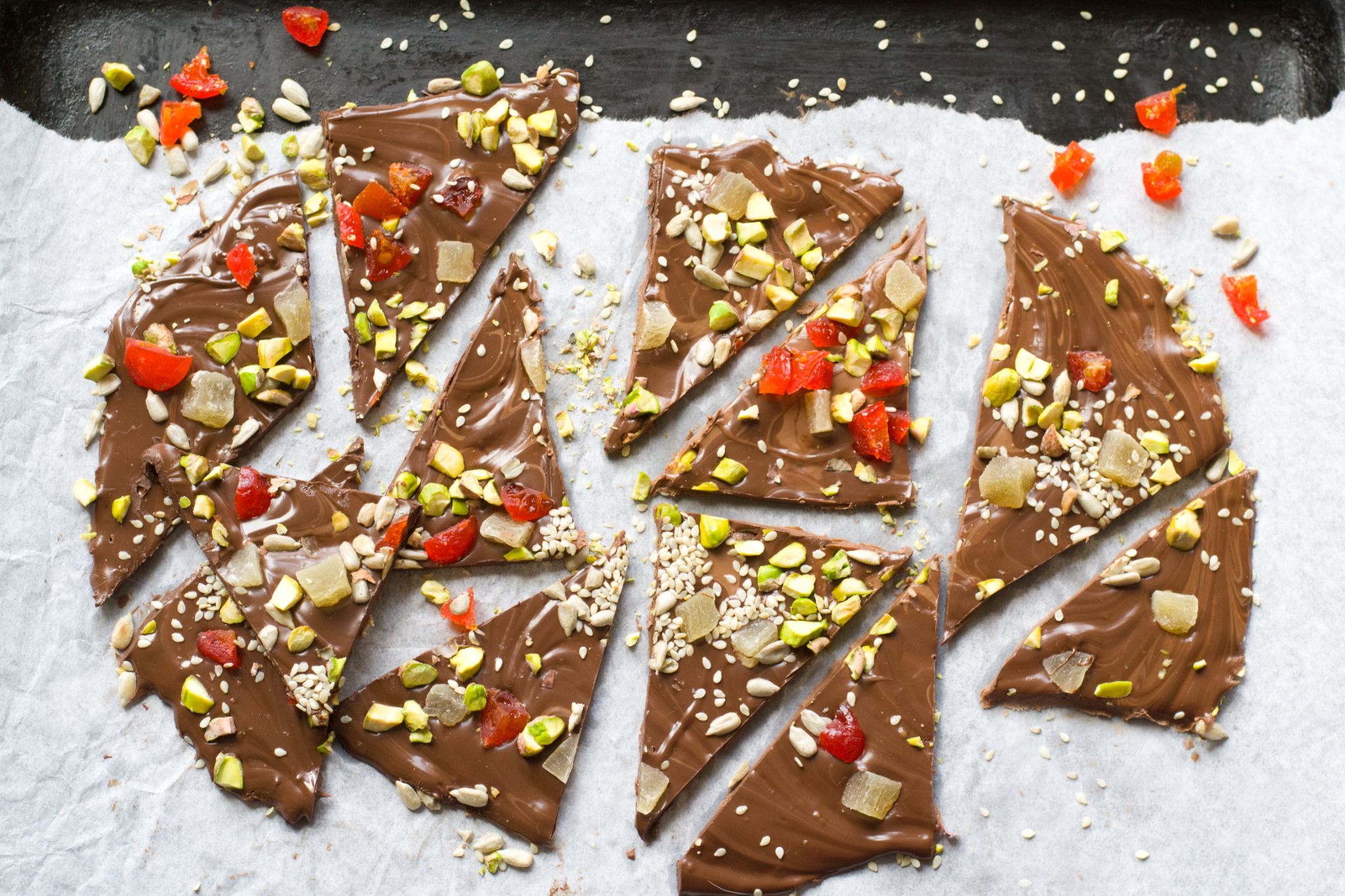
Triangular pieces of milk chocolate bark topped with pistachios, dried fruit, seeds, and sesame seeds on parchment paper.

Choosing the right chocolate for chocolate bark

A simple recipe focuses more on the chocolate itself, so the dark chocolate bar you choose determines the finished flavor.

Amano Madagascar 70% brings a bright fruit character that works especially well with roasted pistachios. The nuts give those higher notes a savory counterpoint without covering them.

Ocumare Village takes the recipe in another direction. Its deeper character changes the contrast with the pistachios and creates a different finish.

Artisan chocolate adds more depth to the recipe because the cacao origin still comes through clearly in the finished bark. Try a small batch with each bar and compare them side by side.

Tips for better chocolate bark

A few small choices make the process smoother.

  • Chop the chocolate into similar-sized pieces.
  • Keep every bowl and utensil dry.
  • Stop microwaving before every piece melts.
  • Add toppings while the chocolate still looks glossy.
  • Let freshly roasted nuts cool first.
  • Taste salted pistachios before adding the finishing salt.

Common chocolate bark mistakes

  • Overheating the chocolate: Use short microwave bursts, stirring between each one. This gives you more control and helps the chocolate melt evenly.
  • Getting water in the chocolate: Keep every bowl and utensil completely dry. Even a small amount of moisture may make the chocolate thick or grainy.
  • Waiting too long to add the pistachios: Add the nuts while the chocolate still feels soft so they settle into the surface and stay in place.
  • Spreading the bark too thick: Aim for a layer about 1/4 inch thick. A thinner layer gives the bark a cleaner snap and makes it easier to break.
  • Adding too much salt: Taste the pistachios first. If they already taste quite salty, use a lighter sprinkle of flaky salt.

Easy pistachio chocolate bark variations

Small changes give the bark a different flavor without complicating the recipe.

  • Toasted almonds: Swap them for pistachios for a gentler nut flavor.
  • Roasted hazelnuts: Add a deeper, toastier character.
  • Candied orange peel: Bring in bright citrus with a slightly chewy texture.
  • Dried tart cherries: Add acidity and a little extra color.
  • Edible rose petals: Use food-grade petals for a light floral garnish.
  • White chocolate: Add a light drizzle for visual contrast.

Keep the toppings restrained so the chocolate still takes the lead. That balance matters even more when you use artisan chocolate with a distinct origin profile.

Frequently asked questions

Do you need to temper chocolate for chocolate bark?

No. This easy method relies on gentle melting rather than full tempering. Traditional tempering gives you more control over gloss and snap, but it requires closer temperature management.

What type of chocolate works best for chocolate bark?

Choose chocolate that tastes good on its own because its flavor stays prominent. A single-origin dark chocolate bar works especially well when you want the cacao character to remain clear.

Should I use salted or unsalted pistachios?

Either works. Salted pistachios add more savory contrast, while unsalted pistachios give you greater control over the finishing salt.

Why did my melted chocolate turn thick or grainy?

Moisture often causes this problem. Excessive heat may also damage the texture. Keep your tools dry and use short heating intervals.

Why isn’t my chocolate bark hardening?

The room may feel too warm. Move the bark to the refrigerator until it firms, then store it somewhere cool.

How long does homemade chocolate bark last?

Store it in an airtight container for up to two weeks. Keep it away from heat and moisture.

Should chocolate bark stay in the refrigerator?

A cool room works well for storage. Use the refrigerator when your kitchen runs warm, but keep the bark covered.

Is chocolate bark a good make-ahead dessert?

Yes. Make it several days before serving or gifting, then keep it in an airtight container until you need it.

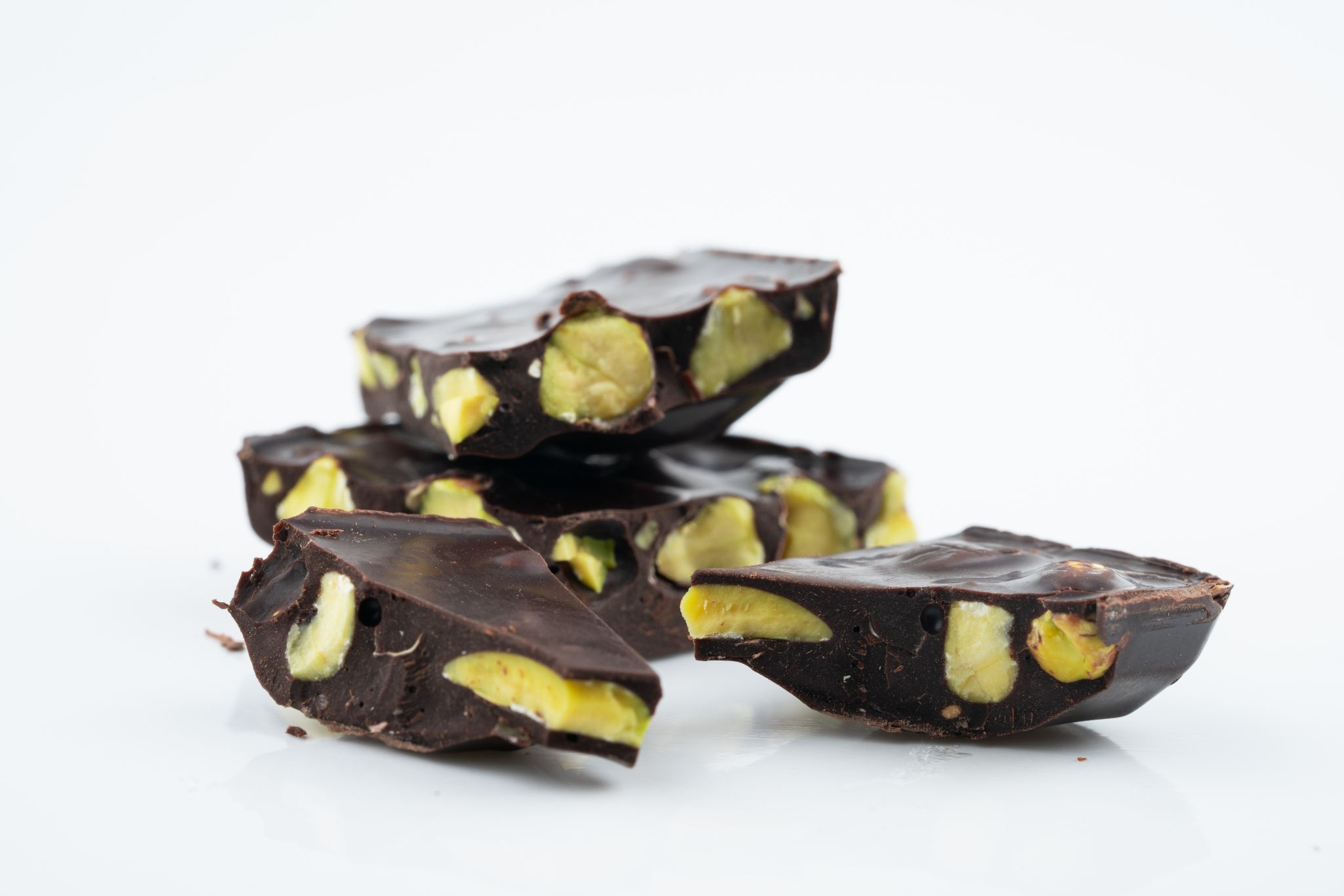
Stacked pieces of thick dark chocolate bark filled with whole pistachios against a plain white background.

Make simple ingredients more interesting with Amano Chocolate

Pistachio chocolate bark keeps the process simple while letting the chocolate take the lead. The cacao origin still comes through clearly, giving each batch its own flavor profile.

Try the recipe with different Amano bars and compare the results. One batch may lean brighter, while another brings more cocoa depth. Explore Amano’s single-origin collection to choose an artisan chocolate for your next batch and see how a different origin changes the experience.

What Does Single Origin Chocolate Actually Mean And Why Does It Matter?

Close-up of roasted cocoa beans visible inside a textured burlap sack.

Single origin chocolate uses cacao from one defined place, such as a country, region, cooperative, estate, or farm. That focus lets the cacao express the flavors of its origin more clearly. It doesn’t guarantee better quality, but it gives chocolate makers and tasters a more direct way to explore how place, fermentation, and craftsmanship shape flavor.

Why chocolate from different origins taste different

Most people grow up thinking chocolate has one familiar flavor. Then they taste two well-made bars side by side and notice something unexpected. One may open with bright berry notes, while another leans toward roasted nuts, honey, flowers, or deep cocoa. Those differences start with the cacao itself. Understanding the origin helps you see why chocolate from one place may taste completely different from chocolate grown somewhere else.

What is single origin chocolate?

Single origin chocolate contains cacao sourced from one defined geographic origin. A maker may identify that origin by country, region, cooperative, estate, farm, or harvest lot.

The phrase describes the source of cacao. A maker may use cane sugar from one country and cacao from another while still producing a single origin bar. The location of the chocolate workshop also doesn’t determine the origin. Amano, for example, crafts chocolate in Utah with cacao from carefully selected growing regions around the world.

A label may name a country, region, cooperative, estate, farm, or harvest lot. More detail gives you a clearer picture of the cacao’s source, though a country-level origin still qualifies when the maker uses cacao from that country alone.

What makes chocolate single origin?

The cacao supply defines the origin. When a maker creates a batch with cacao from one stated source, the chocolate qualifies as single origin.

A few details often cause confusion:

What determines single origin What doesn’t determine single origin
The source of the cacao The source of the sugar
One country, region, cooperative, estate, or farm The location of the chocolate workshop
A clearly identified cacao supply The cacao percentage
Sometimes one harvest or lot The packaging or bar shape

A 70% dark chocolate bar may come from one origin or several. The percentage only tells you how much of the bar comes from cacao ingredients. It doesn’t tell you where those ingredients came from.

Likewise, bean-to-bar and single origin don’t mean the same thing. Bean-to-bar refers to a maker who controls the process from the cacao bean to the finished chocolate. Single origin describes where the cacao comes from. Many makers combine both approaches because close control over roasting, refining, and formulation helps them preserve the character of a particular origin.

Why does single origin matter?

Single origin matters because it gives the cacao more room to speak. A blend combines several flavor profiles to create balance, consistency, or a recognizable house style. A bar from one origin highlights that cacao more directly, revealing brighter acidity, deeper cocoa, floral aromas, dried fruit, nuts, spice, or caramel-like warmth.

That difference makes tasting more engaging. You can compare artisan chocolate bars from two origins and notice how each one develops from the first bite through the finish. One bar may taste lively and fruit-forward. Another may feel rounder, earthier, or more cocoa-driven.

Single origin also gives you a clearer connection to the work behind the cacao. Farmers and producers influence flavor through growing, harvesting, fermenting, and drying. Chocolate makers build on those choices through roasting, grinding, refining, and formulation. Each step shapes what you taste in the finished bar.

What affects the flavor of cacao?

Origin influences flavor, though several factors shape the final profile.

Cacao genetics: Different cacao varieties naturally produce flavors ranging from fruit and flowers to cocoa, nuts, and spice.

Climate and soil: Temperature, rainfall, elevation, and soil conditions all influence how cacao develops.

Fermentation: Farmers develop much of the cacao’s flavor during fermentation through careful timing and handling.

Drying: Proper drying preserves flavor, while poor drying may introduce harsh, smoky, moldy, or uneven notes.

Roasting: The roast profile shapes the final flavor, bringing out brighter fruit notes or deeper cocoa character.

Refining and formulation: Refining affects texture and mouthfeel, while a simple dark chocolate bar lets more of the cacao’s natural flavor shine.

How origin may show up in flavor

People often connect certain regions with familiar flavor tendencies. Those descriptions offer a useful starting point, though they never guarantee that every bar from a country will taste the same.

Origin Common flavor tendencies
Madagascar Red fruit, citrus, lively acidity
Ecuador Floral notes, honey, nuts, cocoa
Peru Dried fruit, warm spice, nuts
Dominican Republic Cocoa depth, earth, spice, dried fruit

Harvest conditions, cacao genetics, fermentation, and the maker’s process create variation within every origin. A Madagascar bar from one producer may taste very different from another Madagascar bar.

This variation gives artisan chocolate bars much of their appeal. They invite you to slow down, compare, and notice details.

Single origin vs. blended chocolate

Single origin and blended chocolate serve different purposes.

Single origin Blended chocolate
Uses cacao from one stated origin Uses cacao from multiple origins
Highlights the character of one place Combines flavors into a target profile
May vary between harvests Often aims for greater consistency
Helps tasters compare origins Helps makers create balance or a house style

Neither approach automatically produces better chocolate. A skilled maker may create an exceptional blend, while careless processing may flatten the flavor of excellent single origin cacao.

The difference comes down to intent. A blend asks, “How can these origins work together?” A single origin bar asks, “What does this cacao have to say?”

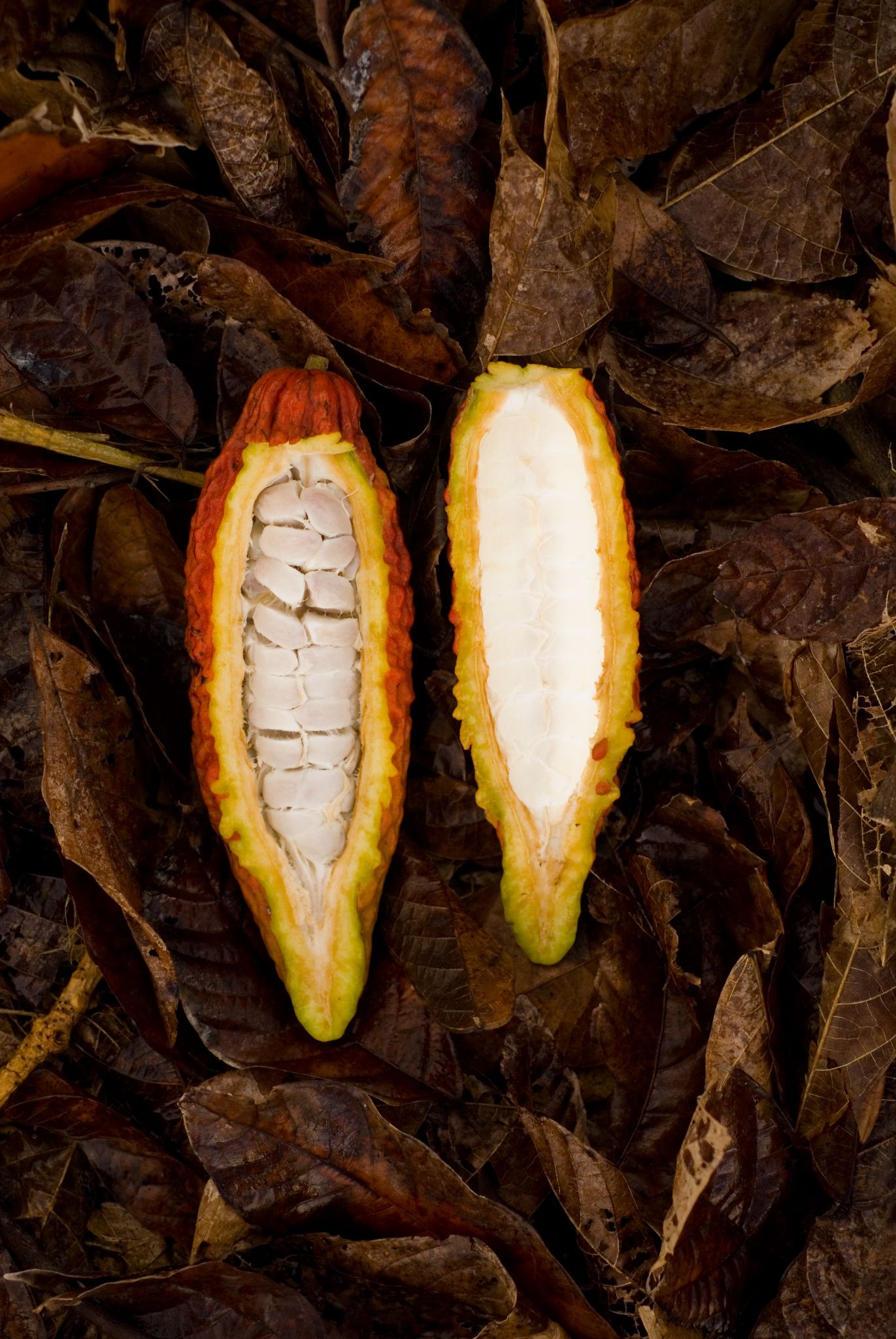
A ripe cocoa pod sliced in half revealing white seeds and pulp resting on dry autumn leaves.

Does single origin mean higher quality?

The label doesn’t guarantee quality. It only tells you where the cacao came from.

Quality also depends on:

  • Healthy, well-grown cacao
  • Careful harvesting
  • Proper fermentation and drying
  • Thoughtful roasting
  • Refined texture
  • Balanced formulation
  • Freshness and storage

The term also doesn’t prove ethical sourcing. Detailed origin information may support traceability, but it doesn’t reveal farmer pay, labor practices, or environmental methods.

Some artisan chocolate bars cost more because makers buy smaller lots, pay more for cacao, produce in small batches, and refine each roast carefully. Look for clear sourcing and process details rather than relying on price alone.

How to taste single origin chocolate

A slow tasting helps you notice differences between origins.

  • Look at the surface: Notice the color and finish, though appearance alone doesn’t reveal quality.
  • Listen to the snap: Break the bar and listen. A clean snap often reflects proper tempering, especially in a dark chocolate bar.
  • Smell the chocolate: Bring a piece close to your nose before tasting. Look for fruit, flowers, cocoa, nuts, spice, or roasted aromas.
  • Let it melt: Let a small piece soften on your tongue. Chewing immediately may hide some of the flavor progression.
  • Follow the flavor: Notice the opening flavor, the middle, and the finish. A bar may begin with fruit, shift toward cocoa, and end with a nutty or floral note.
  • Compare two origins: Choose bars with similar cacao percentages. Two 70% bars offer a clearer comparison than a 55% milk bar and an 85% dark bar.

How to choose your first bar

Start with a label or product page that includes:

  • The cacao origin
  • The cacao percentage
  • A concise ingredient list
  • Tasting notes
  • Details about sourcing or production
  • The maker’s bean-to-bar process

Choose flavors that already appeal to you. A fruit-forward bar may suit you if you enjoy berries or citrus. A cocoa-driven dark chocolate bar may feel more familiar if you prefer roasted, nutty, or caramel-like notes.

Pick two artisan chocolate bars from different origins, taste them side by side, and write down what you notice. Your impressions don’t need to match the printed notes.

Mistakes that make chocolate harder to taste

  • Assuming darker always means better: A higher cacao percentage changes the balance of cacao and sugar, but it doesn’t guarantee better beans or stronger craftsmanship.
  • Judging the bar too quickly: Cold chocolate releases less aroma and melts more slowly. Let it reach room temperature, then let it melt on your palate.
  • Relying too heavily on tasting notes: Use them as a guide, but focus on the flavors you actually notice.
  • Comparing very different cacao percentages: Choose bars with similar percentages to make origin differences easier to taste.

Helpful tasting tools

A few simple tools make comparison easier:

  • Room-temperature water
  • Plain crackers for resetting your palate
  • A notebook or tasting sheet
  • Two or three bars with similar cacao percentages

Avoid strong coffee, perfume, scented candles, or spicy foods before tasting because they may overpower subtler notes.

Frequently asked questions

Is it always dark chocolate?

No. Makers produce single origin milk chocolate and other styles. However, many makers choose dark chocolate because a shorter ingredient list often lets the cacao’s character come through more clearly.

Does single origin mean one farm?

Not always. The term may refer to one country, region, cooperative, estate, farm, or lot. Look at the label for the maker’s level of sourcing detail.

Is single origin better than blended chocolate?

No. Single origin highlights one place, while a blend combines multiple origins to create balance or consistency. Skill and ingredient quality shape both styles.

Can I bake with single origin chocolate?

Yes. A well-made dark chocolate bar may add distinctive fruit, nut, cocoa, or spice to brownies, cookies, cakes, and sauces. Other ingredients may soften the more delicate tasting notes.

Why do two bars from the same origin taste different?

Different cacao varieties, farms, harvests, fermentation methods, roast profiles, and recipes produce different results. The maker’s choices play a major role alongside the origin.

How many bars should I compare at once?

Two or three bars give you enough contrast without overwhelming your palate. Start with similar cacao percentages and move from milder to stronger flavors.

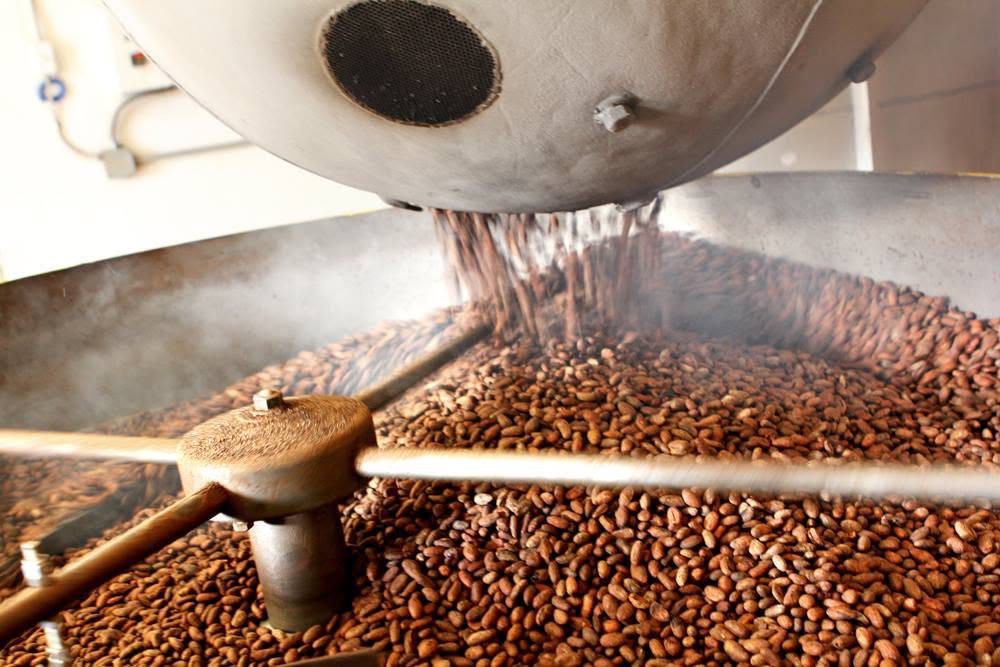
Roasted cocoa beans pouring into a large cooling tray inside an industrial roasting machine.

Discover how Amano Chocolate brings each origin to life

Chocolate from one origin connects flavor to place, farming, fermentation, and the maker’s craft. It also reminds you that chocolate doesn’t have one fixed flavor. Every origin brings its own possibilities.

Amano crafts artisan chocolate bars that highlight those differences through careful sourcing, roasting, refining, and small-batch production. Explore the collection to compare tasting notes, discover the origins you enjoy most, and experience how much character one dark chocolate bar can hold.

Exploring the Flavor Spectrum: How Ingredients Shape Artisanal Chocolate

A close-up of a person holding an open cocoa pod, revealing the white pulp and seeds inside.

Artisanal chocolate gets its signature flavor from two forces working together: the cacao origin and the chocolate ingredients a maker chooses to include or exclude. Single-origin cacao brings fruit, floral notes, or deep cocoa richness, while ingredients like sugar, cocoa butter, milk, salt, and inclusions shape sweetness, texture, and finish. Together, they define the character of premium chocolate bars.

Why every bar tastes different

One bar tastes bright and fruit-forward. Another feels deep, nutty, and cocoa-rich. Even at the same cacao percentage, you can experience entirely different profiles because flavor starts with the cacao’s origin — then the maker shapes what you taste through the chocolate ingredients that frame it. 

In this guide, you’ll learn how origin and ingredients work together to shape aroma and taste, how to read labels and tasting notes with more confidence, and how to choose premium chocolate bars that truly match your palate — whether you prefer bright and floral, warm and caramel-toned, or bold and cocoa-forward.

What shapes flavor in chocolate?

Flavor lives on a spectrum. On one end, you’ll find clean cocoa intensity and a direct finish. On the other hand, you’ll find layered aromatics that evolve as the chocolate melts: fruit, florals, warm spice, caramel, or roasted depth. Texture matters, too. A crisp snap, a silky melt, and a lingering finish make two bars with the same cacao percentage feel completely different.

To understand that spectrum, start with the two forces that shape nearly everything you taste:

1) Origin creates the raw potential

Origin includes cacao genetics, terroir (soil, climate, and elevation), and post-harvest practices such as fermentation and drying. Those factors influence which flavor precursors form in the bean and how easily a maker can highlight them later. That’s why the same percentage tastes bright and berry-like from one place and deep and cocoa-forward from another.

2) Ingredients shape the final expression

The ingredient list tells you how the maker chose to “frame” the cacao. A short list (about 3-5 Ingredients) usually emphasizes clarity of origin. A slightly longer list could still be exceptional, if complementing the cocoa with added flavors (milk, fruits, spices), but it signals a more intentional experience where other elements share the spotlight. However, low-quality chocolate also frequently features lengthy ingredient lists for cost reduction, preservation, and masking off-flavors. In either case, the best bars treat ingredients as purposeful tools rather than distractions. 

This is where premium chocolate bars often stand apart. They tend to show clearer intent: fewer fillers, greater transparency, and ingredient choices designed to support aroma, texture, and balance rather than cover the cacao’s natural voice.

The cleanest bars don’t taste simple. They taste precise because each ingredient supports the cacao instead of competing with it.

How ingredients and origin build a flavor profile

Use this framework whenever you evaluate a bar in your hand or a tasting note online. It helps you predict what you’ll taste before you take your first bite.

1. Start with the origin

Look for country, region, cooperative, or estate. Origin often hints at a bar’s flavor family: fruit-forward, floral and aromatic, or cocoa-heavy and earthy. Fermentation practices at origin influence how vivid or muted those notes become later.

2. Check the cacao percentage

Cacao percentage offers context for sweetness and intensity, but it doesn’t guarantee quality. Similar to a volume knob. You tune up the intensity of the origin and process.

3. Scan the chocolate ingredients list for the “frame”

Ask one simple question: Does the formulation aim for pure origin clarity or a layered flavor design? Bars with only cacao and sugar usually lean toward clarity. Bars with milk, salt, or inclusions lean toward a more composed flavor.

4. Identify the sweetener and its “sweetness curve”

Sugar affects more than sweetness. It shapes how quickly flavors open and how bitterness registers. Cane sugar often tastes clean and neutral. Alternative sweeteners contribute their own aftertaste and shift the bar’s balance.

5. Note cocoa butter and mouthfeel

Cocoa butter influences texture, melt speed, and how aroma releases as chocolate warms. A silkier melt makes aromatics feel more pronounced, while a firmer structure emphasizes snap and intensity. This is one of the most important levers in ingredient design.

6. Account for dairy, if present

Milk tends to soften acidity and reduce perceived bitterness, which highlights caramel, cream, and nut notes. It also blurs some delicate origin aromatics inherent to the cocoa.

7. Look for supporting ingredients

Chocolate makers use salt sparingly to sharpen contrast and lift cocoa flavor. Vanilla softens edges and makes chocolate feel familiar, but too much vanilla obscures subtle origin notes.

8. Evaluate inclusions as flavor architecture

Inclusions should feel integrated, not pasted on. Citrus echoes a naturally bright cacao. Nuts amplify caramel tones. Espresso deepens a roast-like character. The goal is harmony, not noise.

9. Taste with intention

Smell first. Then let a small piece melt slowly. Notice the progression: opening notes, mid-palate, and finish. Keep conditions consistent so that you can compare bars honestly.

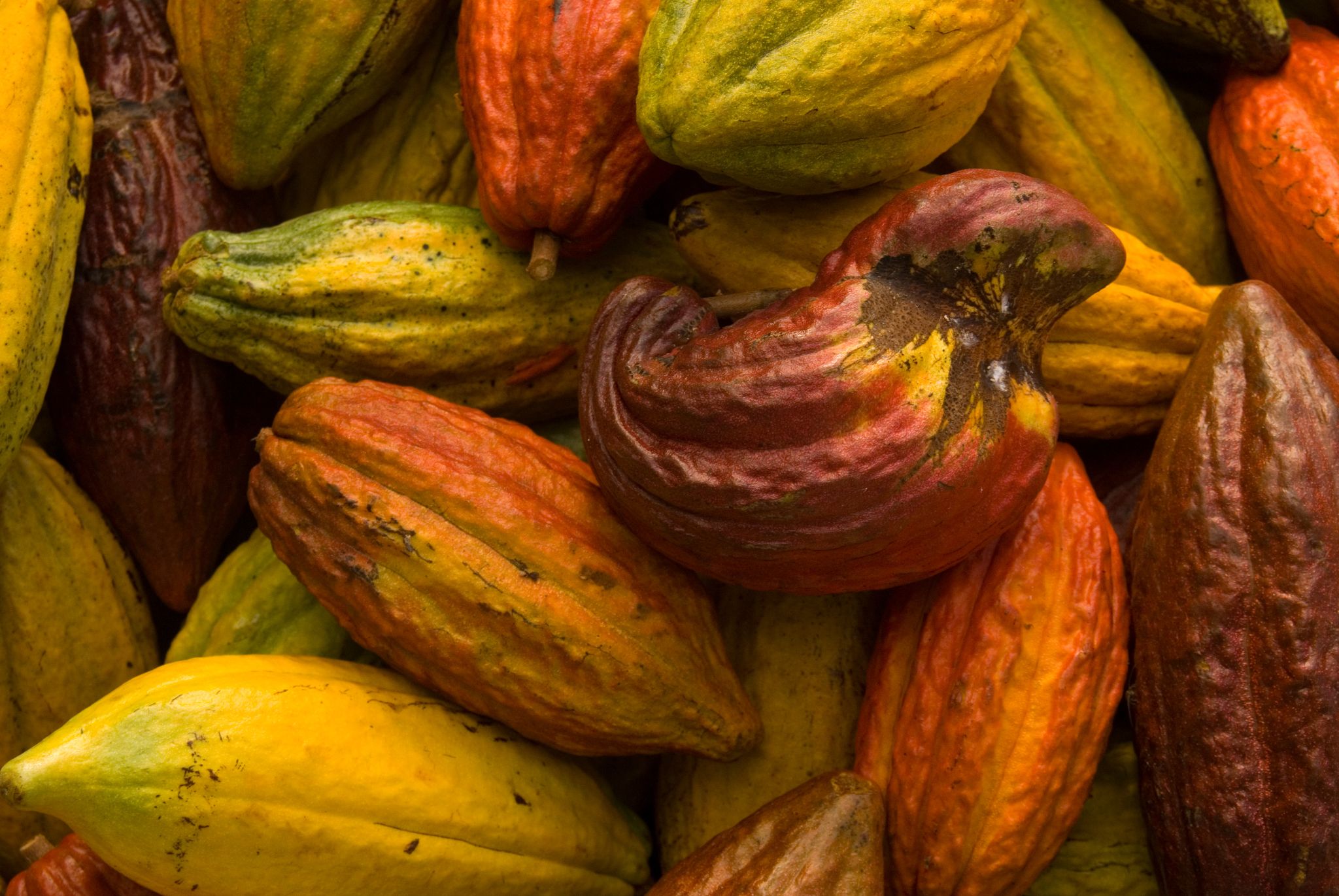
A top-down view of a colorful pile of harvested cocoa pods in various shades of yellow, green, and red.

Ingredient and origin combinations and what they taste like

Below are seven scenarios that show how origin and formulation work together. Use these as a guide when reading tasting notes or choosing your next bar.

1) Bright origin + minimal ingredients

A simple chocolate bar from a naturally bright origin often tastes vivid and clean. At Amano, our standard dark chocolate bar contains just four pure and simple ingredients (Cocoa, Cocoa Butter, Pure Cane Sugar, Whole Vanilla Beans). You may smell berry or citrus before you taste anything, then notice acidity that feels like fresh fruit rather than sourness. With simple chocolate ingredients, fermentation and roast decisions stand out more clearly because nothing else competes for attention.

2) Floral origin + silk-forward texture

Some origins lean aromatic, with perfume-like florals and gentle fruit. When the maker designs for a silky melt, those aromatics bloom slowly as the chocolate warms. 

3) Cocoa-forward origin + a precise touch of salt

In cocoa-heavy bars, a small amount of salt sharpens the contrast and makes cocoa taste “more cocoa.” Salt is a natural flavor enhancer. It also tightens the finish, making the bar feel cleaner and more structured. This pairing works especially well when the cacao leans toward earthy, nutty, or roasted notes, because salt lifts definition without overwhelming nuance.

4) Nutty-caramel cacao + milk for roundness

Milk chocolate still expresses its origin when the cacao has enough character and the formulation stays balanced. If the cacao already suggests caramel and nuts, milk amplifies those notes, creating a plush, dessert-like profile. The tradeoff is that milk softens brightness in fruit-driven cacao, which some palates love, and others miss.

5) Citrus-leaning cacao + orange inclusion

When cacao naturally leans citrusy, orange peel, or citrus oil feels seamless. The difference between reinforcing and masking shows up in the finish. A well-designed bar lets the cacao lead, then uses citrus to extend the aroma rather than replace it. This is where ingredient restraint matters most.

6) Earthy cacao + espresso

Espresso additions often deepen perceived intensity and emphasize roasted notes. If you want a darker, bolder impression without jumping to very high cacao percentages, espresso delivers that perception while keeping sweetness and texture in balance.

7) Spice-friendly cacao + warming spices

Cinnamon, cardamom, chile, or ginger either overwhelm cacao or reveal new layers, depending on dosage. In the best examples, spice feels like a thread running through the bar rather than a separate layer. These bars often feel longer on the finish, with complexity that complements the cocoa’s flavors.

Benefits of understanding ingredients

Ingredient literacy improves your shopping decisions and your chocolate-tasting experience. When you understand what each ingredient does, you stop guessing and start choosing bars that genuinely match your preferences.

  • Choose bars that fit your palate, whether you prefer bright fruit or deep cocoa richness.
  • Compare premium chocolate bars with more clarity than cacao percentage alone.
  • Recognize when an ingredient list supports cacao character rather than covering it.
  • Build better pairings with coffee, tea, wine, fruit, and cheese
  • Appreciate why thoughtful bars taste more varied and expressive across origins and styles

When you know how chocolate ingredients work, you don’t only taste chocolate. You understand it.

Common mistakes to avoid

Even experienced chocolate lovers fall into a few traps. Avoid these, and your tasting becomes more consistent and rewarding.

  1. Judging quality by cacao percentage alone: Percentage signals intensity and sweetness, not fermentation quality, roast skill, or balance.
  2. Assuming “premium” always means transparent sourcing: Some labels say “premium” without naming the origin or clarifying the process. 
  3. Ignoring sweetener type and aftertaste: Sweeteners alter how bitterness is perceived and how quickly flavors unfold. 
  4. Overlooking added oils or heavy flavoring: When non-cacao fats or aggressive flavoring dominate, origin character often disappears.
  5. Comparing bars at different temperatures: Cold chocolate tastes muted. Warm chocolate tastes louder. Keep tasting conditions consistent.
  6. Expecting every origin to taste like “classic chocolate”: Some origins lean bright and fruit-forward; others lean deep and cocoa-forward. 
  7. Forgetting inclusions shifts perception: Salt, nuts, citrus, and spices all change perceived acidity and bitterness. Compare like with like whenever possible.

Data and research insights

Chocolate is sensory, but the mechanisms behind flavor are measurable.

  • Fermentation and drying create the precursors that roasting later transforms into key chocolate aromas.
  • Roast profiles influence which aromatics rise and how acidity and bitterness are present in the finished bar.
  • Cocoa butter influences viscosity and aroma release, shaping how flavor unfolds during melt.
  • Sensory frameworks help tasters consistently describe cacao and chocolate, especially when identifying flavor notes.

A close-up of a person holding a handful of dried, fermented cocoa beans.

Tools and recommendations

Read a label quickly

  • Origin: country, region, cooperative, or estate
  • Cacao %: intensity context
  • Chocolate ingredients: what frames the cacao
  • Notes: what the maker expects you to taste

Set up a simple home tasting

  • Taste at room temperature
  • Keep water nearby
  • Avoid strong flavors beforehand
  • Take quick notes on the aroma, melt, and finish

Use a short tasting checklist

  • Snap: Is it clean and crisp?
  • Aroma: Is it distinct and inviting?
  • Melt: Is it smooth and even?
  • Progression: Does it evolve?
  • Finish: Is it clean, long, and balanced?

Build a tasting flight

To understand the spectrum, choose three bars with the same percentage from different origins, then compare a minimal-ingredient bar against a bar that adds salt, milk, or a single inclusion. This is one of the best ways to understand why premium chocolate bars taste so different while remaining equally refined.

FAQ

What chocolate ingredients should high-quality chocolate include?

High-quality bars often use a short list: cacao, sugar, and sometimes cocoa butter. Some include vanilla or a small amount of emulsifier for texture. The best formulations keep ingredient choices purposeful so the cacao stays clear and balanced.

Do premium chocolate bars contain emulsifiers?

Some do, and some don’t. A small amount supports texture and flow, but it shouldn’t dominate the ingredient list. If you prefer the purest expression, choose bars that keep the formula simple and transparent.

Why do some dark bars taste fruity or floral?

Origin, fermentation style, and roast profile create fruit-forward or floral aromatics. Minimal chocolate ingredients often make those notes easier to detect, because fewer additions compete with the cacao’s natural character.

Does cocoa butter change flavor or texture?

Cocoa butter primarily affects texture and melt, and it also influences how chocolate releases aroma as it warms. A silkier melt may make aromatics feel more pronounced and improve the sense of progression from first note to finish.

How do inclusions affect tasting notes?

Inclusions reinforce cacao’s natural notes or shift the profile. Citrus echoes bright cacao, salt sharpens cocoa depth, and nuts amplify caramel tones. Thoughtful inclusion design should support the cacao rather than cover it.

What’s the best way to taste artisanal chocolate at home?

Taste at room temperature and let a small piece melt slowly. Smell first, then note sweetness, acidity, bitterness, texture, and finish. Keep your method consistent, so you compare bars honestly.

How does sugar-type change the flavor of chocolate?

Different sugars create different sweetness curves. Cane sugar tends to taste clean and neutral, while alternative sweeteners can add their own caramel, molasses, or fruity notes. Sugar choice also changes how strongly you perceive acidity and bitterness in the finished bar.

Why does the same origin taste different across brands?

Even with the same cacao origin, makers use different roast profiles, refining, and conching choices, and they may use different cocoa butter or sugar levels. Those decisions change texture, aroma release, and balance, which can make two bars from the same region taste noticeably different.

A row of various brightly colored Amano Artisan Chocolate bars arranged neatly against a plain beige background.

Explore the flavor spectrum with Amano Chocolate

Flavor lives where origin and chocolate ingredients meet. When makers craft artisanal chocolate with intention, they let cacao’s natural character lead, then use ingredients to refine sweetness, texture, and finish.

If you want to taste the spectrum firsthand and explore premium chocolate bars from different origins and ingredient styles, shop Amano Chocolate to build your own tasting flight and discover which profiles you love most.

How Cocoa Fermentation Influences Chocolate’s Aroma and Taste

Close up image of dried red chili peppers highlighting their vivid color and intricate details

Cocoa fermentation shapes chocolate’s aroma and taste by transforming sugars and acids in fresh cacao into flavor precursors. Yeasts and bacteria drive these changes, and roasting later develops them into notes like fruit, floral aromatics, caramel, and deep cocoa. When makers craft artisan chocolate and other gourmet chocolate bars, they rely on careful fermentation to build complexity and avoid harsh, underdeveloped flavors.

Where chocolate’s aroma begins: inside the fermentation process

Chocolate’s most memorable flavors begin at origin during cocoa fermentation, when microbes transform fresh cacao under warm tropical conditions. This stage shapes whether chocolate tastes bright and layered or sharp and flat, and it builds the aromas you notice first, along with the bar’s melt and finish.

In this guide, you’ll learn how fermentation works, what happens inside the bean, and why fermentation choices matter so much for artisan chocolate makers. You’ll also learn what to look for when tasting gourmet chocolate bars, so you recognize clean, well-developed cacao with confidence.

What is cocoa fermentation?

Cocoa fermentation is the post-harvest process that turns fresh cacao into flavorful cacao. After farmers open ripe pods, microbes feed on the sugary pulp around the beans. Yeasts convert sugars into alcohol, bacteria turn alcohol into acids, and natural heat drives chemical changes inside the bean.

This stage creates the flavor precursors that, when roasted later, develop into fine chocolate aromas. Without it, cacao tastes bitter and flat. Fermentation builds the blueprint for flavor; roasting reveals it.

Step-by-step: how cocoa fermentation works

Fermentation looks simple from a distance. The beans sit, heat rises, and time passes. However, it moves through distinct phases that shape flavor. Here’s how it typically unfolds.

   1. Harvest and pod opening

Farmers harvest ripe pods and open them quickly to preserve pulp quality. Clean tools and careful handling matter because contamination at this stage leads to defects later.

   2. The yeast phase begins

Once producers collect the beans and pulp in a box, heap, or basket, yeasts begin converting sugars into alcohol. This stage often carries a sweet, fruity aroma. Heat starts to build as fermentation activity increases.

   3. Bacteria take over

As oxygen becomes more available (especially when producers turn the mass), bacteria convert alcohol into acids. Temperature continues rising, and those acids move into the beans, triggering internal reactions that develop flavor precursors.

   4. Turning and oxygen exposure

Producers turn the fermenting cacao to control heat, distribute oxygen, and keep fermentation even. Turning affects flavor clarity because uneven fermentation produces inconsistent acidity and aroma.

   5. Timing sets the balance

Fermentation may take several days, depending on origin and varietal. Short fermentation leaves beans underdeveloped, while overly long fermentation pushes acidity too far or introduces off-notes.

   6. End-point cues signal readiness

Producers look for signs such as pulp breakdown, a shift in aroma from fresh fruit to deeper cocoa-like notes, and visible changes in the beans that indicate internal development.

   7. Drying locks in the results

After fermentation, drying stabilizes the beans. It slows microbial activity, reduces moisture, and preserves the compounds produced during cocoa fermentation, allowing them to develop further during roasting. Though most drying occurs under the sun, some origins may dry using smoke.

When makers craft artisan chocolate, they rely on these fermentation outcomes to bring clarity and complexity into the final bar. Great roasting highlights what fermentation created, but it cannot build those compounds from scratch.

How fermentation changes flavor in real bars

Fermentation shapes what you smell first and what lingers last, influencing fruit and floral notes, cocoa depth, bitterness, and astringency.

Under-fermented cacao: Tastes blunt and bitter with a dry, chalky finish and muted aroma. If bitterness overwhelms a gourmet chocolate bar, under-fermentation may be the cause.

Well-fermented cacao: Tastes layered and expressive, often opening with fruit or floral aromatics and finishing clean with notes like caramel, nuts, or warm spice. Many gourmet chocolate bars earn their refinement here.

Over-fermented or contaminated cacao: taste sharply acidic (vinegar-like) or musty and smoky. These defects stand out in artisan chocolate, which relies on cacao character.

Benefits of proper fermentation

Proper fermentation enhances flavor and aroma. It’s one of the biggest reasons some chocolate feels balanced and complex while other chocolate tastes harsh or thin.

  • Builds deeper aroma and layered flavor
  • Reduces harsh bitterness and raw astringency
  • Creates a better balance between acidity, sweetness, and cocoa depth
  • Improves clarity of origin notes, especially in artisan chocolate
  • Supports consistency and clean flavor in gourmet chocolate bars

When a producer manages fermentation well, chocolate makers start with better raw material. That quality shows up in the final bar as a smoother, more expressive tasting experience.

Cacao beans a type of fruit are essential for producing chocolate

Common fermentation mistakes and defects

Fermentation requires care, experience, and attention to timing. A few common issues undermine the process.

  • Under-fermentation: leaves beans bitter, flat, and astringent
  • Overheating: disrupts microbial balance and flattens flavor
  • Poor turning schedule: creates uneven fermentation and inconsistent acidity
  • Excess moisture or slow drying: raises mold risk and off-notes
  • Contaminated tools or boxes: introduces undesirable flavors
  • Over-acidification: leads to vinegar-like sharpness
  • Inconsistent lot mixing: produces bars that taste uneven from batch to batch

Even the best chocolate maker only does so much if cocoa fermentation starts with poor handling or inconsistent technique.

Data and research insights on fermentation and flavor

Fermentation changes cacao at both the sensory and chemical levels. While the experience is unmistakable, the mechanism is also measurable.

  • Microbial activity produces alcohols and acids that trigger internal changes in the bean.
  • Fermentation creates flavor precursors that, when roasted later, convert into key chocolate aromas.
  • Turning influences oxygen exposure, which affects temperature control and flavor balance.
  • Proper fermentation reduces harshness and improves the development of complex aroma compounds.

A simple way to remember the chain is: fermentation builds the raw potential, and roasting develops it into a recognizable chocolate aroma.

Tools and methods producers use to ferment cacao

Producers use different fermentation methods depending on region, climate, and tradition. Each method influences airflow, temperature control, and consistency.

  • Wooden box fermentation: Supports heat retention and more controlled, even fermentation.
  • Heap fermentation: Beans ferment in piles, often insulated with banana leaves.
  • Banana leaves and natural insulation: Help regulate heat and manage moisture.
  • Turning schedules: Producers turn cacao to distribute oxygen and reduce uneven hot spots.
  • Temperature monitoring and sensory checks: Skilled producers watch aroma changes and texture cues.
  • Drying systems: Raised beds and solar drying help stabilize flavor after fermentation.

These methods matter because they shape the quality of beans that become chocolate. When makers craft artisan chocolate, they benefit from producers who treat fermentation as a precision process rather than a routine step. That care carries through into the clean, expressive flavor that defines the best gourmet chocolate bars.

FAQ

How long does cocoa fermentation take?

Fermentation typically lasts several days, but timing varies by origin, varietal, climate, and method. Producers watch temperature, aroma, and pulp breakdown to decide when fermentation is complete, then begin drying to stabilize flavor.

What does under-fermented cacao taste like?

Under-fermented cacao often tastes harsh, bitter, and astringent, with a flat or “raw” aroma. The chocolate may feel one-dimensional, with less fruit, floral character, or caramel depth, even if a maker roasts carefully.

Can roasting fix poor fermentation?

Roasting shifts bitterness and develops aroma, but it can’t fully replace what fermentation creates. Poor fermentation often leads to defects or a lack of flavor complexity that roasting cannot restore without masking the cacao’s character.

Why do some chocolates taste fruity or floral?

Fruit and floral notes often come from cacao genetics, terroir, and fermentation chemistry. Cocoa fermentation creates the precursors that roasting develops into those bright aromatics, especially in well-made origin-driven bars.

What fermentation methods produce the cleanest flavor?

Clean flavor comes from consistent technique, sanitary tools, proper turning, and careful drying. Many producers use box fermentation for control, but well-managed heap fermentation also produces excellent results when handled precisely.

Amano Coffee Bar packaging showcasing a modern design with rich colors and a minimalist logo

Taste fermentation’s impact with Amano Chocolate

Fermentation is where chocolate’s aroma begins. When producers carefully manage cocoa fermentation, they create flavor precursors that later develop into bright fruit notes, floral aromatics, and deep cocoa richness. That attention shines most clearly in artisan chocolate and high-quality gourmet chocolate bars, where makers preserve — rather than mask — what cacao already offers. 

If you want to taste how fermentation and origin shape flavor, shop Amano Chocolate and explore our single-origin collection.