A chocolate charcuterie board is a dessert board built around chocolate, fruit, nuts, crackers, honeycomb, cheese, and small sweets. To build one well, choose a few artisan chocolate bars, pair them with accompaniments that bring out their flavors and textures, arrange everything in balanced sections, and serve it like a guided tasting.
A better way to serve chocolate
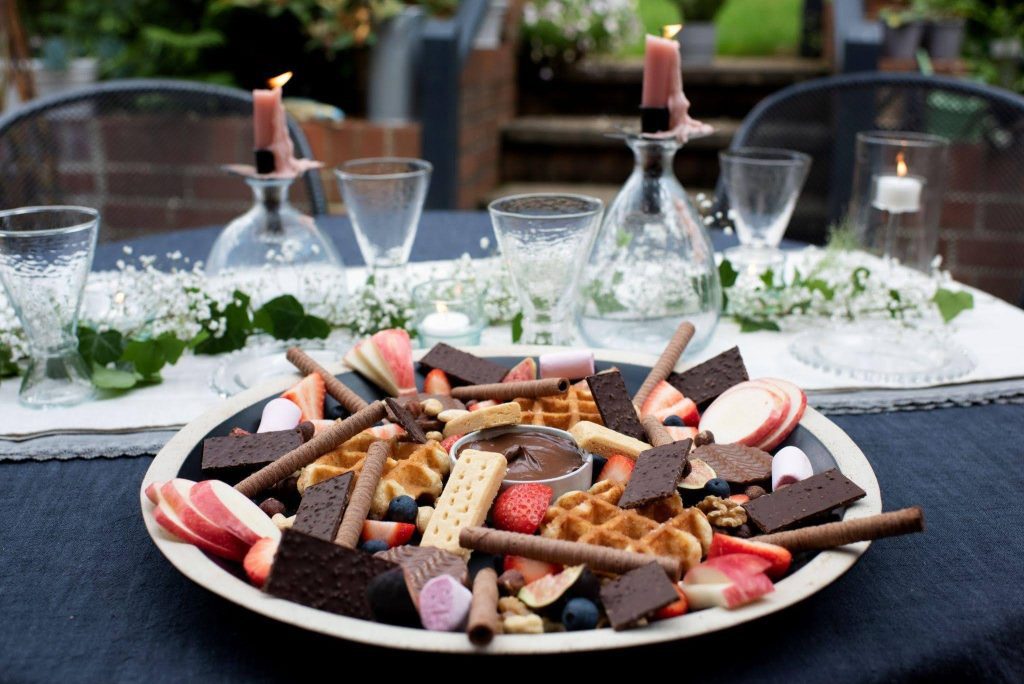
A generous dessert board should feel inviting and intentional. The best boards create contrast with the clean snap of a dark chocolate bar, bright fruit, toasted nuts, and gentle sweetness from honeycomb. A well-built chocolate charcuterie board lets guests compare flavor, texture, melt, and finish without a formal tasting setup.
What is a chocolate charcuterie board?
A chocolate charcuterie board is a dessert board centered on chocolate, fruit, nuts, crackers, honeycomb, spreads, and small sweets. The best boards keep chocolate as the focus and use simple pairings to bring out tasting notes, texture, and finish. With artisan chocolate, it becomes a relaxed tasting experience built around flavor and origin.
How to build your chocolate charcuterie board
1. Choose the chocolate first
Start with three to five options, such as a dark chocolate bar, a milk or mellow bar, and a flavored chocolate. Choose distinct flavor profiles so guests can compare each one.
2. Add fresh and dried fruit
Use strawberries, raspberries, cherries, oranges, pears, or apples for brightness. Add figs, apricots, dates, or dried cherries for chew and deeper sweetness.
3. Bring in crunch and salt
Add toasted nuts, pretzels, biscotti, shortbread, or crackers. A little salt balances sweetness and rounds out the flavor of darker chocolate.
4. Add creamy elements
Use brie, goat cheese, mascarpone, ricotta with honey, or mild aged cheddar. Keep stronger cheeses light so they don’t overpower the chocolate.
5. Finish with small accents
Set out honeycomb, caramel, preserves, cacao nibs, or flaky salt in small bowls for easy pairing.
6. Arrange by flavor strength
Place lighter or fruitier chocolate first, then move toward deeper, more intense bars. This helps guests taste each chocolate clearly.
What goes on a chocolate charcuterie board?
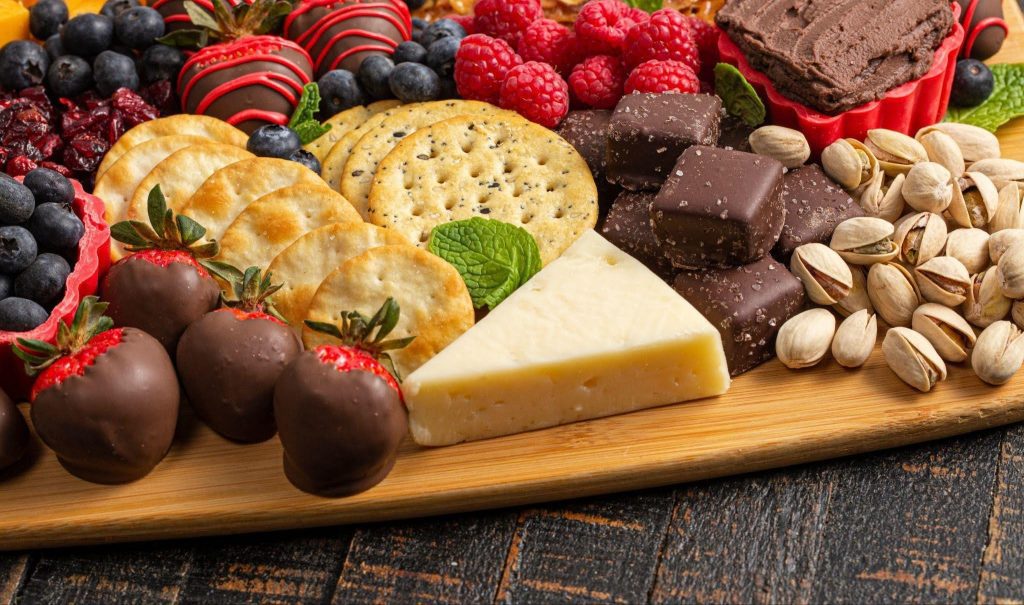
A strong chocolate charcuterie board includes a mix of flavors, textures, and colors. Use these categories as a starting point:
Chocolate
- Single-origin chocolate bars
- Milk chocolate
- Flavored chocolate
- Truffles
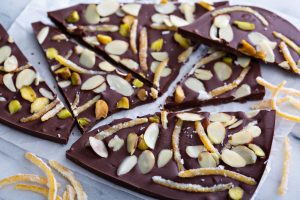
- Chocolate bark
- Chocolate-covered almonds or cherries
Fruit
- Strawberries
- Raspberries
- Cherries
- Orange slices
- Pear or apple slices
- Dried figs
- Dried apricots
- Dates
Nuts
- Almonds
- Hazelnuts
- Pistachios
- Pecans
- Walnuts
- Candied nuts
Crunchy pairings
- Water crackers
- Shortbread
- Biscotti
- Pretzels
- Crostini
- Graham crackers
Creamy pairings
- Brie
- Goat cheese
- Mascarpone
- Ricotta with honey
- Mild aged cheddar
Accents
- Honeycomb
- Fruit preserves
- Caramel
- Cacao nibs
- Flaky salt
For a simple hosting board, start with one dark chocolate bar, one milk chocolate bar, one flavored bar, berries, dried figs, toasted almonds, crackers, honeycomb, and a small bowl of preserves.
Amano chocolate recommendations for your board
The easiest way to build a polished dessert board is to start with a chocolate bundle. Bundles give you variety without requiring you to choose each bar individually.
For a classic tasting board:
Start with an Amano or single-origin tasting bundle. This gives guests a way to compare cacao origins, flavor profiles, and finishes.
Internal link: [Amano chocolate bundles]
For a dark chocolate-focused board:
Choose a bundle or collection that includes more than one dark chocolate bar. Pair these bars with berries, dried figs, toasted hazelnuts, almonds, water crackers, and a small bowl of flaky salt.
Internal link: [Dark chocolate collection]
For a colorful dessert board:
Use a mix of single-origin chocolate, milk chocolate, and flavored chocolate. Add strawberries, orange slices, honeycomb, shortbread, and pistachios for color and contrast.
Internal link: [Flavored chocolate collection]
Why artisan chocolate makes the board better
Artisan chocolate adds focus to a dessert board. Each bar brings something distinct through its cacao origin, roast, texture, and flavor profile.
A well-chosen dark chocolate bar adds depth, while brighter bars bring forward fruit, floral, or honeyed notes. Instead of tasting like a tray of sweets, the board feels more balanced, intentional, and memorable.
Common dessert board mistakes to avoid
Even a beautiful board feels flat if the flavors compete too much. Avoid these common mistakes when building your chocolate charcuterie board.
- Adding too many sweets: Candy, frosting, syrup, and sweet cookies overwhelm the chocolate.
- Skipping salty pairings: Pretzels, crackers, toasted nuts, and flaky salt help balance sweetness.
- Using only one texture: Include snap, crunch, chew, creaminess, and melt.
- Choosing overpowering cheeses: Strong cheeses, but use them sparingly.
- Forgetting tasting order: Start with lighter chocolate before moving to deeper or flavored bars.
- Crowding the board: Leave enough space for each pairing to feel intentional.
- Serving everything too cold: Chocolate tastes clearer when it has a few minutes to warm slightly at room temperature.
How flavor and texture work together
Chocolate pairing works best when you pay attention to the whole experience. Scent, richness, brightness, salt, texture, and even serving temperature all change the way each bite lands.
Fruit adds brightness and acidity. Nuts echo roasted or earthy notes. Crackers give the palate a reset between bites. Cheese adds fat and creaminess, which softens a bold dark chocolate bar. Honeycomb and caramel add sweetness, but they work best in small amounts, supporting the chocolate rather than covering it.
The goal is balance. Each pairing should either contrast the chocolate or help one of its natural notes come forward.
FAQ
What do you put on a chocolate charcuterie board?
Add chocolate bars, fresh fruit, dried fruit, nuts, crackers, cheese, honeycomb, spreads, and small sweets. Keep chocolate as the focus, then choose pairings that add brightness, crunch, creaminess, salt, or sweetness.
How do you make a dessert board look full?
Start with small bowls, then arrange the chocolate and larger items around them. Add fruit in clusters, tuck crackers into open spaces, and use nuts or dried fruit to fill small gaps.
What fruit goes best with chocolate?
Strawberries, raspberries, cherries, oranges, pears, apples, figs, apricots, and dates all pair well with chocolate. Fresh fruit adds brightness, while dried fruit brings chew and deeper sweetness.
What cheese pairs with chocolate?
Brie, goat cheese, mascarpone, ricotta, and mild aged cheddar pair well with chocolate. Creamy cheeses soften darker bars and add richness without overpowering the flavor.
Build a better chocolate charcuterie board with Amano Chocolate
A beautiful dessert board starts with thoughtful chocolate and simple pairings. Choose a few bars, add fruit, nuts, crackers, honeycomb, and creamy accents, then arrange everything with flavor progression in mind. Explore Amano’s chocolate to build a board that balances clarity and variety, so each guest discovers something distinct.