From Bean to Bar: The Journey of Crafting Artisan Chocolate

A pile of cocoa pods, some split open to reveal white seeds, with a machete resting on top.

Are you a chocolate lover? Chocolate surrounds us. You’ll find it on store shelves, in vending machines, tucked into gift boxes, and sprinkled over desserts. It’s familiar, comforting, and endlessly popular. But here’s the secret: most people have never actually tasted real chocolate.

Mass-produced chocolate delivers sweetness but often lacks depth, character, and story. What you get is a sugary shadow of what chocolate was meant to be. Artisan chocolate, on the other hand, offers something entirely different. It captures the essence of the cacao bean. It reflects the land it came from. It tells a story in every bite.

True bean-to-bar chocolate doesn’t begin in a factory. It starts on a farm. It takes shape through hands-on craftsmanship, intentional choices, and respect for the ingredients. From the tropical rainforests where cacao trees thrive to the meticulous steps of roasting and refining, artisan chocolate is a journey — a sensory experience crafted with purpose and precision.

We’ll walk you through the complete bean-to-bar process. You’ll see how real chocolate is made, learn what makes it exceptional, and discover why every step matters in transforming a humble cacao bean into an edible masterpiece.

The origin: Sourcing world-class cacao
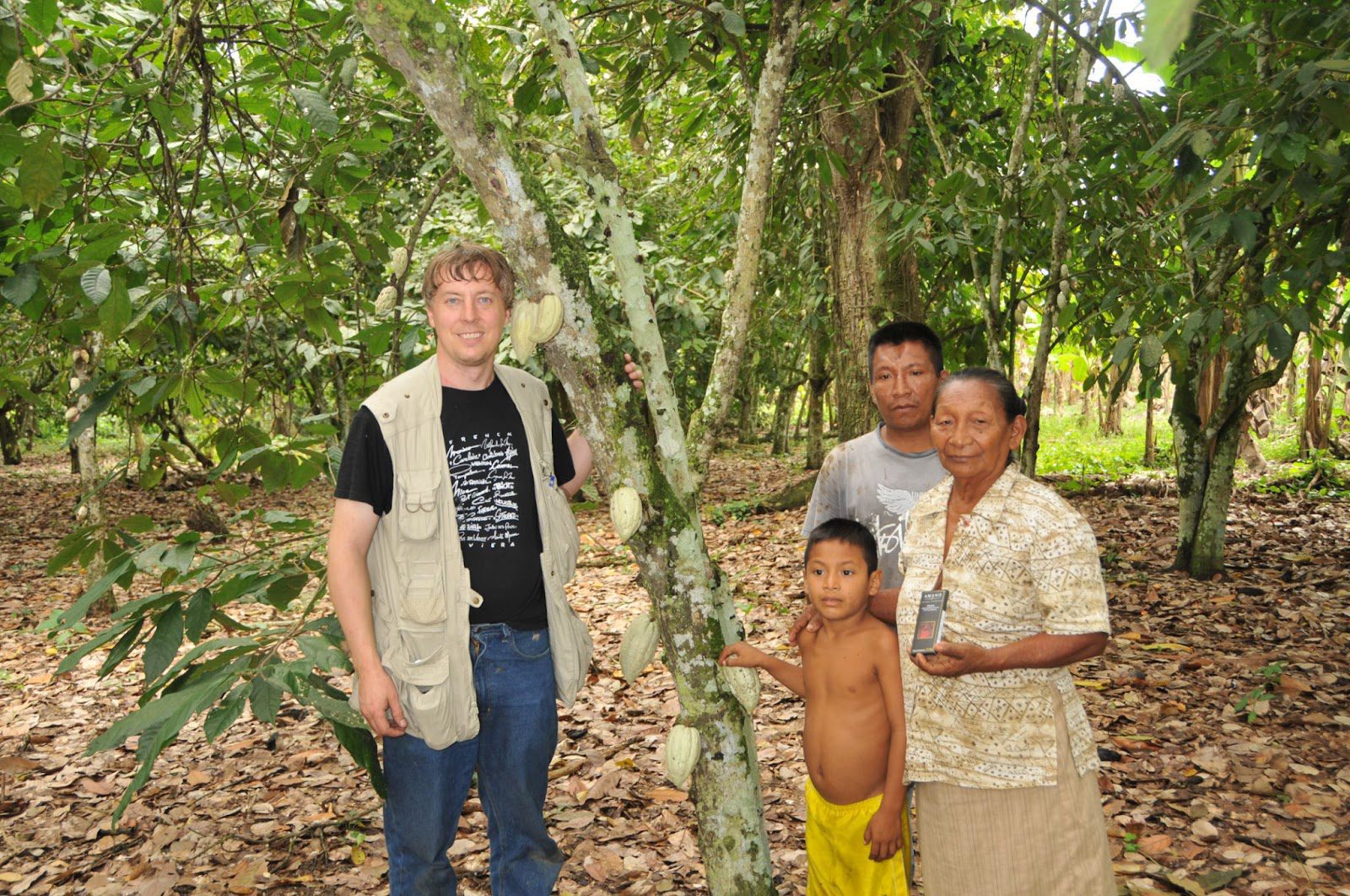
A man and two children stand together beside a large tree in a sunny outdoor setting.

Exceptional chocolate begins long before it touches a roaster. It starts with the cacao bean and begins where and how that bean is grown. 

Soil composition, elevation, rainfall patterns, and temperature all shape the bean’s character. This is known as terroir, a term often associated with wine, but is as critical in chocolate. Cacao grown in the lush valleys of Ecuador produces a flavor profile entirely different from beans harvested in Madagascar or Venezuela. 

The environment infuses each bean with a distinct fingerprint of flavor — fruity, floral, nutty, or earthy — depending on its origin.

The process starts by building strong, lasting relationships with farmers worldwide. Artisans work directly with growers who produce high-quality cacao and are committed to sustainable farming practices. These partnerships ensure transparency, fair compensation, and environmentally responsible cultivation. 

Supporting ethical sourcing contributes to healthier communities and more resilient farming systems, which in turn result in better beans and richer chocolate.

Each origin brings something extraordinary to the table. From the deep, wine-like notes of beans in Ocumare, Venezuela, to the bright, citrusy tones found in Madagascar’s Sambirano Valley, every region offers a unique flavor experience. 

Artisan chocolate bars reflect these subtle nuances, allowing chocolate lovers to taste the difference terroir makes. With each bite, you’re experiencing a story rooted in place, people, and tradition.

Fermentation and drying: Where flavor begins

The journey from bean to bar truly begins with fermentation. Once cacao pods are harvested, the beans inside must be fermented to unlock their full flavor potential. Without fermentation, chocolate would taste flat, bitter, and one-dimensional. This step sets the stage for every flavor note you experience later on.

During fermentation, natural yeasts and bacteria break down the sugary pulp surrounding the beans. This process typically takes from several days to a week and involves carefully turning or mixing the beans to ensure even fermentation. Temperature, humidity, and timing all influence the outcome. 

When done correctly, fermentation develops the complex fruitiness, acidity, richness, and depth of flavors that define high-quality chocolate.

After fermentation, the beans need to dry slowly and evenly. Proper drying locks in the flavor, reduces moisture to prevent spoilage, and prepares the beans for transport. Beans are often spread out under the sun on raised beds or patios and stirred regularly to ensure consistency. Rushed or improper drying can lead to mold or off-flavors, compromising the entire batch.

In artisan chocolate production, these steps are handled with care and intention. Fermentation methods are tailored to the specific cacao variety and climate. Drying is often monitored closely by the farmers who grow the beans. 

By contrast, industrial producers tend to use faster, less precise methods that sacrifice flavor for volume and speed. This is one of the key differences that sets artisan chocolate apart. Every step honors the bean and enhances its natural character.

When these early steps are done right, the result is chocolate with soul, complexity, and a story worth tasting.

Roasting: Unlocking complexity

Roasting is where the magic begins to take shape. This stage transforms fermented and dried cacao beans into the foundation of fine chocolate. Much like roasting coffee, the process releases aroma, deepens flavor, and builds complexity. However, in chocolate, the margin for error is even smaller.

Artisan chocolatiers approach roasting as both a science and an art. Each batch is roasted in small quantities to maintain complete control over time and temperature. This level of attention allows us to highlight the unique flavor profile of every origin. 

Some beans respond best to a light roast that preserves their fruity brightness. Others require a deeper roast to unlock warm, nutty undertones or bold, earthy richness.

Unlike industrial chocolate producers, who use a uniform roast to simplify production, artisans craft roast profiles tailored to each specific bean. This customization brings out the subtle, layered notes that define artisan chocolate and ensures no origin tastes like another.

If you’re familiar with specialty coffee, the concept will feel similar. Coffee roasters often adjust their approach depending on the bean’s altitude, density, and origin to bring out the best in every cup. Chocolate roasting follows that same philosophy. The more carefully it’s done, the more vibrant and expressive the final result is.

Roasting reveals the soul of the bean. When done with precision and purpose, this step lays the groundwork for a bar of chocolate that tastes as beautiful as it smells.

Grinding and conching: Texture meets taste

After roasting, cacao beans enter a critical stage that shapes the texture and flavor of the final chocolate. This is where grinding and conching come into play — two processes that define the mouthfeel, aroma, and overall eating experience.

Grinding begins by breaking the roasted beans into nibs and refining them into a thick, liquid mass called chocolate liquor. Stone grinding allows for a slow, gentle process that preserves flavor and ensures a luxuriously smooth texture. 

Unlike industrial steel rollers prioritizing speed and output, stone grinders carefully reduce particle size without generating excess heat, which can dull flavor and flatten complexity.

Once ground to the perfect consistency, the chocolate enters the conching phase. Conching involves mixing, aerating, and kneading the chocolate over extended periods. This process smooths the texture, mellows acidity, and brings the flavor into balance. Conching also allows volatile compounds to evaporate, resulting in a more refined and harmonious taste.

The length of conching varies depending on the bean’s origin and the desired flavor profile. Some chocolates benefit from shorter times to preserve bright, fruity notes. Others develop more depth and richness with prolonged conching. In either case, the key ingredient is patience.

Time allows the chocolate to evolve. It gives the flavors space to breathe and settle. Rushing this step leads to flat, one-dimensional chocolate, while careful, extended conching coaxes out nuance, elegance, and finish.

Tempering and molding: The final transformation

Tempering is the moment where precision meets beauty. This step gives chocolate its glossy finish, satisfying snap, and smooth, melt-on-the-tongue feel. Without tempering, chocolate appears dull, feels grainy, and lacks the professional quality artisan makers strive to achieve.

Tempering involves heating and cooling the chocolate to specific temperatures to stabilize the cocoa butter crystals. These crystals determine the texture and appearance of the finished bar. When done correctly, tempering ensures that chocolate remains firm at room temperature, breaks cleanly, and delivers a luxurious mouthfeel.

Once perfectly tempered, the chocolate moves to molding. Each mold is carefully filled to ensure consistency in weight and shape. The molds are designed with elegance in mind, offering clean lines and a premium feel.

From our hands to yours: The artisan difference
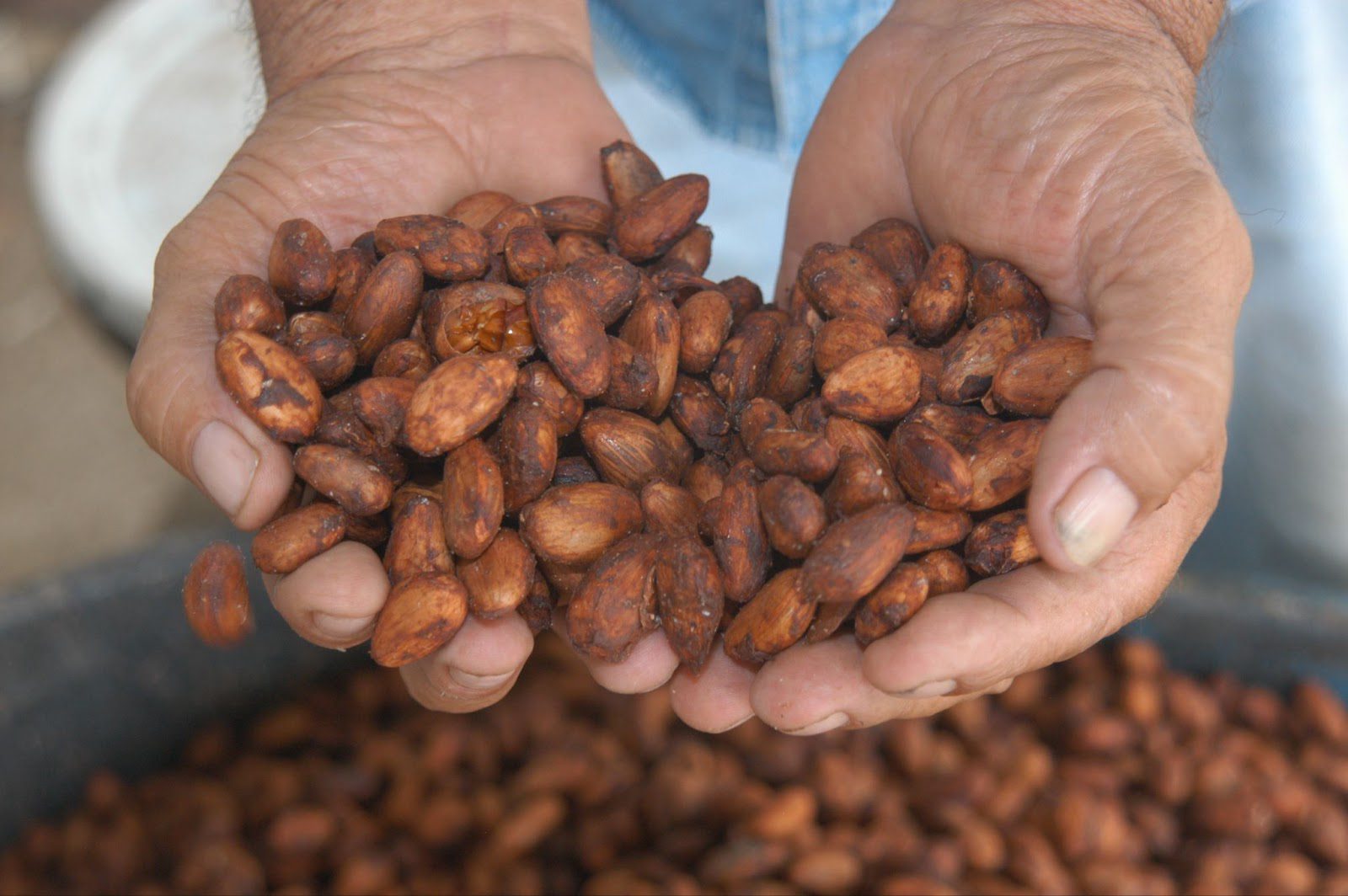
Hands holding roasted cocoa beans over a pile of more beans.

Small-batch chocolate is a method rooted in respect. Every step in the bean-to-bar journey honors the bean, the farmer who grew it, and the hands that bring it to life. At Amano Chocolate, we choose quality over quantity, purpose over shortcuts, and flavor over flash.

This commitment starts with direct relationships. We work closely with farmers who care deeply about their land and their craft. Their expertise and dedication shape the character of the cacao we receive. In return, we pay fair prices and celebrate the origins of every bean, ensuring a cycle of respect and sustainability.

Crafting chocolate in small batches allows us to control every detail. We roast with precision, grind slowly, conch with care, and temper to perfection. This deliberate approach brings out flavor notes you won’t find in mass-produced chocolate. Each bar tells a story, rich with origin and layered with complexity.

We invite you to slow down and taste with intention. Let the chocolate melt on your tongue. Notice the way flavors unfold. Compare the differences between origins. This is how chocolate was meant to be experienced — not rushed or devoured, but savored like fine wine or aged cheese.

Choosing artisan chocolate supports a world of craftsmanship, transparency, and heart. You value the story behind the flavor and the people who made it possible. Most importantly, you help preserve a tradition that transforms something simple into something extraordinary. 

Frequently asked questions

What is the difference between dark, milk, and white chocolate?

Dark chocolate contains a high percentage of cacao solids and cocoa butter, with little or no added milk. It has a bold, intense flavor. Milk chocolate includes cacao, cocoa butter, sugar, and milk solids, which create a creamier and sweeter taste. White chocolate contains cocoa butter, powdered milk, and sugar but no cacao solids, giving it a smooth, buttery flavor with no bitterness.

Does artisan chocolate contain any additives or preservatives?

Authentic artisan chocolate, like the bars crafted by Amano, is made with minimal ingredients. You’ll typically find cacao beans, cane sugar, and sometimes cocoa butter or milk. There are no artificial ingredients, no preservatives, and no unnecessary fillers. This purity allows the natural flavors of the cacao to shine.

How should I store artisan chocolate to keep it fresh?

Store your chocolate in a cool, dry place away from direct sunlight and strong odors. Ideal temperature ranges between 60°F and 70°F. Avoid refrigeration, as it can cause condensation and affect the texture and flavor. A pantry or cupboard works best.

Why does my chocolate have a white coating on it?

This is called “bloom,” and it happens when the cocoa butter separates and rises to the surface due to temperature changes. It may look dusty or streaky, but it’s perfectly safe to eat. Bloom affects appearance and texture but not flavor.

Can I pair artisan chocolate with food or drinks?

Absolutely. High-quality chocolate pairs beautifully with wine, coffee, whiskey, tea, and cheese. Try pairing a fruity chocolate with a bold red wine or a nutty bar with a strong espresso. The right combination can enhance the tasting experience and highlight subtle flavor notes.

Is artisan chocolate vegan or dairy-free?

Many dark chocolate bars are naturally vegan and dairy-free, but it depends on the recipe. At Amano, ingredient transparency is a priority. Always check the label or product description to verify whether a specific bar meets your dietary preferences.

How long does artisan chocolate last?

Unopened chocolate stored properly can last from several months to even a year or more. It all depends on how well it is stored. Over time, some flavor degradation may occur, especially with delicate origin notes, so we recommend enjoying it while it’s fresh for the best experience.

Do cacao percentages really matter?

Yes. The percentage listed on the packaging refers to the total cacao content, which includes both cacao solids and cocoa butter. Higher percentages usually mean more intense chocolate flavor and less sugar. 

However, quality matters more than numbers; a well-crafted 70% bar may taste more balanced than a poorly made 85% one.

Experience what chocolate should be with Amano Chocolate
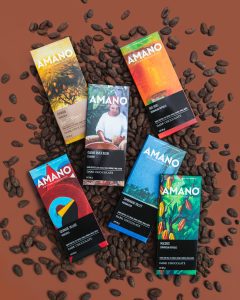
Amano Artisan Chocolate Single Origin Gourmet Chocolate bars on cocoa beans

From the rich soils of distant cacao farms to the final, hand-wrapped bar, the journey of bean-to-bar chocolate is one of precision, patience, and passion. Every step matters. Each decision shapes the flavor, texture, and soul of the chocolate you experience.

At Amano Chocolate, this journey is more than a process — it’s a promise. We source the finest cacao in the world, honor the farmers behind every bean, and craft our chocolate with uncompromising care. The result is a bar that tastes better and feels better. You’re tasting a story, an origin, and a tradition brought to life by true artisans.

If you’re ready to become a chocolate lover and explore the difference that craftsmanship makes, we invite you to taste Amano Chocolate. Slow down, savor every bite, and discover what real chocolate was always meant to be.

For more information, don’t hesitate to contact Amano Chocolate with any questions or requests you may have!

Cocoa Fermentation — All About It: Part 1

Close-up of cocoa beans fermenting in wooden boxes with steam rising, set against a backdrop of lush green foliage

Cocoa Fermentation — Bringing Magic to the Cocoa

After the farmers have harvested the cocoa pods from the tree, some of the most crucial work begins to make fine, high-grade chocolate. The beans must be carefully fermented to bring out the very best flavors. It is unfortunate that the process of proper fermentation is under-appreciated both by the public and the farmer alike. However, to the artisanal chocolatier, proper cocoa fermentation is critically important. Chocolate made from unfermented cocoa beans does not have the body and richness as chocolate made from fermented cocoa beans. Chocolate does continue to be made from unfermented beans in parts of Mexico and Central America for use in traditional dishes. Cocoa fermentation also helps remove the tannins present in the cacao bean. Depending on the study, the amount of tannins in each bean is between five and fifteen percent of the bean by weight. Tannins bring an astringent flavor to the final chocolate and must be removed. Other compounds within the cocoa bean also detract from the taste of the final chocolate that proper fermentation also helps to remove. While roasting and conching helps remove the tannins through oxidation and other processes, the fewer tannins that are in the bean to begin with, the easier it is for the chocolatier to achieve an optimal flavor profile. Rather than having to be concerned with how to best remove the tannins — processes that may hurt the end-flavor profile — the chocolatier is able to concentrate more fully on bringing out the optimal flavors from beans to make the best chocolate possible. Unfortunately, the farmer is in most cases not a chocolate maker. Because of this, many farmers perform the cocoa fermentation only because that is what the market demands without fully understanding what improper cocoa fermentation does to the final chocolate or what wonders proper fermentation may bring. The problem is compounded by the mass-market chocolate companies that purchase the beans without particular regard to the degree of cocoa fermentation or even how consistently fermented the beans are. Of course, at Amano Artisan Chocolate, we are careful to work with our growers to ensure that the optimal fermentation is performed on all the beans we buy.

The Cocoa Fermentation Begins

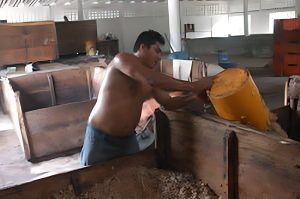
A cocoa farmer moving fermenting cacao beans from one cocoa fermentation box to another

Each cacao pod holds approximately 40 beans, and they must be carefully removed from the pods to ensure that the beans are not injured in the process. Some farmers will use machetes to open the pods, but this can damage the beans and causes quality problems in the product during fermentation and roasting. Farmers who are more careful will quickly rap the cocoa pod on a rock or tree, and the pod will quickly and easily break open, allowing the beans to be scooped out without damage. When they are first removed from the pod, the beans have a white, mucilage-like coating around each bean. It is sweet and yet tart. It’s a bit like a very sweet lemon and is incredibly refreshing on a hot tropical day. This coating provides a food source for the bean as it germinates. It also provides the sugar needed as the basis for the fermentation process that each bean will undergo. The beans are scooped out of the pods and then collected together for fermenting in one or more cocoa fermentation boxes or “sweatboxes.” The sweatboxes used for cocoa fermentation may be located at the plantation or may be located at the local co-op, where the beans are mixed with beans from other local farms during and after fermentation. No matter the location of the sweatboxes, it is important that this happen as quickly as possible, since the beans begin to germinate as soon as the fruit has been picked. If the germination process is allowed to progress too far, the beans will turn bitter, and the bitterness cannot be removed with further processing. As with most organic material, fermentation begins almost immediately upon exposure to air. Cocoa fermentation is no different. Spores from naturally occurring yeasts (Saccharomyces) settle on the sugary beans and start to split the sugar into alcohol and carbon dioxide. The alcohol is split further into acetic acid by the same bacteria that are responsible for turning wine into vinegar, the Mycoderma aceti. The chocolate maker must later remove the acetic acid that is generated through cocoa fermentation.

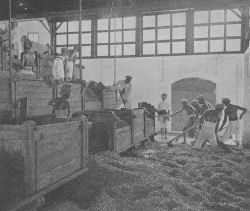
Historical black-and-white photo of workers fermenting cocoa beans in a large indoor facility with wooden fermentation boxes, large windows, and scattered beans on the floor.
Stepped cocoa fermentation boxes in Java circa 1900

The fermentation’s chemical changes occur both outside and inside the bean. The sweet mucilage-like coating on each bean spurs the fermentation that takes place outside the bean. Given the incredible amount of fermentation going on, the temperature rises quickly. In fact, during the cocoa’s fermentation temperatures can climb to 122F (48 C), so hot that if you were to put your hand into the sticky gooey mass of beans, you would not be able to leave it there for very long. On the second day of fermentation, the temperature reaches 113F (43 C), where the germ within the cacao bean dies from the heat, alcohol, and acetic acid. When the germ dies, important chemical changes begin as enzymes within the bean itself are released. These are important to the development of the chocolate flavor. The beans must also be rotated within the sweatboxes. This is normally done by transferring the beans from one sweatbox to another. In the process, if they are rotated too frequently, they will get too much oxygen, and the beans will become too hot and develop dark spots. On the other hand, if they are rotated too infrequently, the cocoa beans will ferment inconsistently, since the beans in the interior of the sweatbox will get less oxygen than those on the sides. As with most things, to get it just right requires an artist’s skill.

Cocoa Fermentation — All About It: Part 2

Cocoa beans fermenting in wooden boxes lined with green banana leaves, with steam rising in a lush, tropical environment.

Cocoa Fermentation Sweatboxes

Overtime a number of different types of  cocoa fermentation boxes or “sweatboxes” have been used for cocoa fermentation. Thankfully, the techniques for building them continue to improve as do the techniques used to get a consistent fermentation.

Just a Hole in the Ground

One of the most traditional methods used up through the beginning of the 1900s to ferment the cocoa beans was simply to dig a small hole and place the beans in it. The beans were then covered with banana leaves to trap the heat generated by fermentation. Thankfully, this process is not used today to any great degree. The results were inconsistently fermented beans; and the mucilage coating liquefied and pooled instead of draining as it fermented, causing additional quality problems.

Wooden Canoe

Well, it isn’t a real canoe but it looks like one. With this type of sweatbox, the beans are stacked into what looks to be a wooden dugout canoe. Unlike a canoe, though, there are small holes in the bottom through which the white mucilage coating can drain as the beans ferment. The cocoa beans are covered with banana leaves or a similar coating to help keep the heat in. Periodically, the beans are stirred with long wooden stirring poles. Not many of these remain, and this method of fermentation is disappearing. It would not be surprising if this technique traced its way back to the Mayans or Olmecs.

Stacked Sweatboxes

Antique Stepped cocoa fermentation boxes.

One of the earliest “industrial” techniques of fermenting cacao is to build a set of boxes, each box set on top and to the side of the next, creating in effect a set of stairs. Holes in the bottom allow for drainage as well as air circulation. The fermenting starts with the beans being hauled up and emptied into the boxes on the top level. As the cocoa bean fermentation continues, the beans are removed from the bottom box and then dried. The beans in the next higher box are shoveled into the bottom box, this turned and aerated them. The process continues up to the top box where new beans are then added. This happens once or twice a day depending on what the fermenting requirements are.

Modern Sweatboxes

New Fermentation Boxes align in row
New Fermentation Boxes

Today, boxes about four feet square and four feet tall are built out of a wood that is conducive to fermentation. (The wood of choice is red cedar.) Each box contains approximately one ton of beans. As with the stacked sweatboxes, holes in the bottom allow for aeration and drainage. The beans are shoveled from one box to the next with either wooden shovels or buckets. Long sticks are used to break up any clumps of beans and ensure that the beans are free flowing and are able to get plenty of air while they are fermenting.

In a common variation of this that often occurs at the co-op level, the boxes are fitted with steel frames. These allow for the boxes to be lifted into the air by an overhead hoist and then emptied into the next box. The dumping action breaks up the clumps of beans and allows fresh air to enter into the mix. The process of dumping one sweatbox into the next continues until the proper level of fermentation is reached.

Fermentation Times

The amount of time that the beans are fermented depends heavily on the type of bean. Criollo beans need a shorter amount of fermentation than do Forestero beans. This has much to do with Criollo’s naturally milder flavor; not as much fermentation is needed to cut their harshness, compared to the harsher varieties of cacao. Fermentation times from five to seven days are typical.

When the fermentation is complete, the cocoa beans must be removed from the sweat boxes and carefully dried.

Consistency is a Virtue

No matter how the fermentation is performed, the key is consistency. The beans need to be fermented as perfectly as they can as well as be as consistently fermented as possible. While this task may seem easy, in fact it is very difficult. The farmers deal with literally tons of beans, and that makes stirring, fermenting, and processing consistently very difficult. It can be done, however. There are three classes of farms or co-ops. Some have poor quality beans but are able to ferment them well, some have good quality beans but are incapable of fermenting them in a suitable way. If a chocolate manufacturer is capable of finding a farm or co-op where the nexus of these come together such that they not only have good beans but also are capable of fermenting them in a way that does justice to these small jewels, then the chocolate manufacturer has truly found a prize from which great chocolate may be made.

Needless to say, at Amano Artisan Chocolate, we scour the world for the few places where these nexuses exist. They are few and far between, and we have to look very hard to find them, but we believe that the chocolate that comes from these few sources is well worth it.

Speaking to the Ecuadorian Congress-against CCN-51

An image of divider backdrop, associated with Amano Artisan Chocolate.

Speaking to the Ecuadorian Congress-against CCN-51

An image of divider backdrop, associated with Amano Artisan Chocolate.

Fine-quality cocoa has many challenges. It costs more, it is hard to get, and the supply is limited. However, since the 1960s, fine-quality cocoa has been under a slow and relentless barrage.

Even within the fine-chocolate community, there is nary a word about the quiet battle that good-quality chocolate makers are facing each and every day. The battle is against a variety of cocoa called CCN-51.

CCN-51 was developed by researcher Homer Castro in the 1960s. It is highly productive and very disease resistant, traits that the large chocolate companies adore. At the same time, CCN-51 doesn’t taste good, and the quality of the chocolate made from it is far inferior compared to properly fermented and dried cocoa from traditional varieties. But because of its high productivity, the industrial chocolate companies have pushed hard for its introduction in such areas as Ecuador, Peru, Columbia and Venezuela, which are the heart and soul of fine flavor cocoa.

To address these issues, I had the great opportunity and honor to be invited to speak to the Congress of Ecuador at their capitol building in Quito. They wanted to hear about the state of CCN-51 from a premium chocolate maker, and in their view Amano is one of the foremost quality chocolate makers in the world. Because of this, it was important to them to take the view from Amano into account; hopefully this would benefit them in their sales to other fine-quality chocolate makers as well.

A photo of the culprit behind the loss of an incredible amount of heirloom varieties of cocoa. Not only is CCN-51 prolific like a weed but, it is difficult to turn into good quality chocolate.

On my flight to Quito, it was amazing the number of volcanoes that I could see from the air. One volcano after another poked its way through the clouds. Ecuador has more volcanoes for its landmass than any other country on earth. In fact, Ecuador has 43 volcanoes, most of which have been active in recent memory. All I could think of as I watched them through the window as they slowly passed by was whether someday, I might be able to climb these volcanoes and see the tops of the clouds from them. It was an almost overwhelming desire and it was with sadness that I watched one after another fade as the next came into view.

When I arrived in Quito, I went directly to the hotel where I was being put up. When I walked into the lobby, I immediately realized that this was going to be a real treat. The hotel lobby was beautiful, and I could only imagine that my room was going to be equally as nice. When I’ve traveled to numerous cocoa-growing countries, quite often my accommodations are quite sparse. Having a line of ants crawling across the wall, mosquitoes buzzing about, and bug bites in the morning of unknown origin are quite the norm. This time around, however, was going to be far from that case.

A view of Quito from the air as I flew in to speak to the Ecuadorian congress about CCN-51

The room was beautiful. I knew that after a long, hard travel, I would at least in the evening be able to rest peacefully.

Quito is the only place on the equator where the altitude is so high that it can snow. Quito is situated at 9,300 feet, which is amazingly high and creates some really unpredictable weather.

Most people don’t know (but it is obvious once you see it) that Ecuador actually means “equator,” and Ecuador’s position right on the equator is where the country gets its name. I wanted to see the equator while I was there, and so we went to visit the “equator.” The equator is of course a huge tourist trap, and there is the official line where you can stand in both the northern and southern hemispheres at the same time.

A view of the lobby of my hotel when I flew to Quito to talk about protecting Ecuador’s Nacional from CCN-51

As luck would have it, a storm blew in, and once we arrived, the weather turned cold. Really, really cold. Since I was traveling to Equador, I had not bothered to bring warm weather gear, so I was shivering up my own storm in my short-sleeved t-shirt. The storm got worse and worse, and by the time I reached the official line on the equator, it was snowing—not very hard, but snowing nevertheless. It made me laugh at how I could stand on the equator while shivering in snow.

After visiting the equator, I went to lunch with some friends near the presidential palace. There was a huge military force surrounding the palace, complete with armored personnel carriers. It turned out that there had been a huge riot around the palace just two to three days before, and the military was very, very nervous about a coup attempt. I thought about trying to get my picture taken with some of the military officers, but for some reason I felt they would not think it as exciting as I did.

Lunch was delicious. One of the appetizers was puffed corn. In Ecuador, and many of the cocoa-growing countries, it is common to eat puffed corn. This is like the kernels of popcorn that puff but do not pop all the way. They are lightly salted and make a really nice crunchy appetizer or treat.

Ecuador is named after the fact that it lays on the equator. Here I am standing on both halves of the world. Of course, we all do that every day — it just depends on where you draw the line.

The next day, I was picked up by my friend Lourdes. We were running a bit late, so we zoomed through Quito. Quito is constructed on a bunch of mountain “fingers,” so there is often no way to drive from point A to point B. To go from A to B, you have to zoom in and out on the various fingers of the city, which, combined with the fact that many of the roads are one-way roads, makes getting around very complicated, and it can take much longer than planned to go anywhere.

Being late to speak to the Ecuadorian Congress would be a impolite, so we zoomed in and out of traffic as fast as we could. It wasn’t too far (as the crow flies) to the capitol building, but because it was a few “fingers” away, getting there was going to take much longer than we had hoped. We prayed as we zoomed in and out of traffic that we would not get pulled over by the police, because we were certainly breaking just about every traffic rule there was.

Finally, we arrived at the capitol building, with five minutes to spare. Unfortunately, we were still in the car zooming around the capitol, and there was not a parking space to be found. We circled and circled and circled. Every car along the road was parked bumper to bumper, and there was no sign that any cars were going to pull out. Eventually, we pulled over, talked to one of the many security guards who surrounded the building. and explained the situation. We ended up parking in the driveway that led to the dumpster, and the security guard stood watch to make sure that the trash truck didn’t come by before we came back.

We were five minutes late at this point. We sprinted around to the front of the building and quickly rushed through security, metal detectors, and whatever else had been dreamed up to make sure we weren’t troublemakers or going to state our own coup. Security pointed us up a few floors, and we jumped on the elevator and breathed a big sigh of relief.

When we exited the elevator, we were pointed to a conference room where the members of congress sat and were engaged in a big discussion. We sat down in the hallway and watched through the glass as their discussion went on and on and on. It was about forty-five minutes before we could see that discussions were wrapping up. The irony wasn’t lost on me how we had zoomed through the city breaking every traffic law imaginable, and here we were waiting and waiting.

One of the dignitaries in the room came into the hallway and waved us in. We had a quick round of discussions, in which we introduced ourselves to each member of congress and they to us. It was all very cordial. Lourdes has also fought against the ever- widening reach of CCN-51. She started off and argued for the preservation of Nacional and the complete banning of CCN-51.

Eventually, it was my turn to speak. The basic points I made before the Ecuadorian congress were these:

1) Ecuador has been legendary for the fine flavor of its cocoa. As they were aware, for hundreds of years, people have traveled to Ecuador to purchase Ecuador’s unique variety of cocoa –Nacional. I told them that Nacional has a flavor that is not found anywhere else in the world, and that it is a national treasure that is unique to Ecuador.

2) Despite what has been represented by the large chocolate companies, CCN-51 is not a fine-flavor cocoa. In fact, in my view that it can not be used to make fine-quality chocolate. The flavor of CCN-51 is simply not that good, and our opinion of CCN-51 is so low that we will not allow CCN-51 into our factory.

3) By growing CCN-51, Ecuador not competing anymore with price for Nacional, which has always commanded a nice premium, but Ecuador is competing on the world market. If someone wants the flavor of Nacional, the only way that they can get it is to buy cocoa from Ecuador. However, with CCN-51 they will be competing against everybody who plants CCN-51 throughout the world. If Africa is able to produce CCN-51 for less, people will buy their cocoa from Africa. If Indonesia is able to produce CCN-51 for less, people will buy their cocoa from Indonesia. The people who purchase CCN-51 are the same people who are not interested in flavor, and so price will be the deciding factor. On the other hand, the people who purchase Nacional traditionally are those who are more interested in flavor, and so price plays a much smaller role in the buying decision. By planting and supporting CCN-51, Ecuador is catering to a market where price is the most important factor.

4) As CCN-51 become more prominent, Ecuador faces a crisis in which its precious Nacional could be lost due to cross-pollination between native varieties and CCN-51. This loss of a national heritage literally traces way back thousands of years through the selective breeding by their forefathers.

5) CCN-51 faces the same problem that mono-cropping always does. CCN-51 plants are effectively clones, because they are spread by grafting. This means that all CCN-51 are genetically identical. Plants that are genetically identical face the problem that if a disease is capable of hurting or even killing one individual plant, this same disease is capable of killing all of the same plants with the same genetics. Ecuador had already faced a plague in the 1920s that killed off almost all of its cocoa, and planting enormous quantities of a single strain of cocoa is simply asking this to happen again, but now on a much larger scale.

This problem exists with all mono-cropping – not just CCN-51.

I concluded by requesting that they give serious consideration to any further planting of this clone. In the least, CCN-51 should be planted separately from Nacional, with an adequate buffer zone around the CCN-51 plantation so that there is lower possibility of cross pollination. I praised the flavor of the Nacional cocoa and explained that they truly have something special, and it is up to them to really let the world know what a treasure they have, and they should not let it slip away.

At this point, I broke out our Guayas chocolate and gave each member of the congress a bar so that they could taste what pure Nacional tastes like. (We go through extraordinary efforts to ensure that there is no CCN-51 in our Guayas chocolate.) I broke out another bar and then gave each member a piece. They were all very impressed and spent a large amount of time talking about how delicious it was. We took a few pictures shook hands and went our separate ways.

Lourdes and I walked out and talked about how we believed it had been a productive meeting, and those present seemed receptive to our message. We then made our way to our car in the back of the capitol building and were extremely happy that the guard was still watching over our car, which hadn’t been towed.

It is my hope that our message was indeed heard. It would truly be a shame if Ecuador’s prized cocoa Nactional were lost. It would even be worse if it were lost to a variety of cocoa that historically does not make good-quality chocolate and can be found in so many other cocoa-growing countries.

As consumers, I believe it important that we check with the chocolate makers we buy our chocolate from to see if they have any chocolate that is polluted by CCN-51, and if there is any sort of company policy about working with it. I know that at least as far as Amano is concerned, we won’t let it into our factory in any form.

It was a huge honor to be invited to speak to the Ecuadorian congress. After it was all over, I went back to my hotel and enjoyed taking a nap on my nice big soft bed.

Here I am with one of the members of the Ecuadorian Congress. Note she is holding one of Amano’s pre-release Guayas chocolate bars made with 100% Ecuadorian Nacional cocoa.

Chocolate From The Region