Spice Up Your Summer with Dark Chocolate Mango Chili Popsicles

Fresh mango, Amano Mango Chili chocolate bar, and filled popsicle mold on a countertop.

Dark chocolate mango chili popsicles combine mango purée, coconut milk, and a melted Amano Mango Chili Dark Chocolate bar for a frozen dessert with bright fruit, cocoa depth, and gentle heat. A light Tajín finish adds salt, citrus, and chili.

A bright summer dessert with a gentle chili finish

These dark chocolate mango chili popsicles combine ripe mango, creamy coconut milk, and melted Amano Mango Chili Dark Chocolate into a single bright frozen treat. The bar adds cocoa depth, fruit warmth, and a gentle chili note, while a light touch of Tajín adds an optional citrus-salt contrast.

What are dark chocolate mango chili popsicles?

Dark chocolate mango chili popsicles are frozen mango-coconut pops with melted chocolate mixed throughout the base. Instead of using plain chocolate and adding spice separately, this recipe uses an Amano Mango Chili Dark Chocolate bar as the central ingredient. That gives the popsicles a more connected flavor profile because the fruit, cocoa, and chili notes already belong together.

Mango brings natural sweetness and a bright tropical character. Coconut milk gives the base a creamy body that freezes with a smoother texture than water-based fruit pops. The dark chocolate bar adds roasted cocoa depth and a gentle chili finish that comes through slowly. Tajín, when used lightly, adds a citrus-salt lift at the edge.

This recipe works especially well for anyone who enjoys artisan chocolate and wants a warm-weather dessert that still feels thoughtful. It also shows how gourmet chocolate bars can be used beyond simple tasting when their flavor profile already includes fruit, spice, and chocolate depth.

How to make dark chocolate mango chili popsicles

This recipe begins with an Amano Mango Chili Dark Chocolate bar. Mango purée and coconut milk create a bright, creamy base, while the melted chocolate adds cocoa depth, fruity warmth, and a gentle chili note. A light Tajín finish adds citrus-salt contrast, but it’s optional and best used lightly.

The key is balance. You want the mango to stay fresh and fruit-forward, the coconut milk to soften the texture, and the chocolate to blend smoothly through the base. Gently melting the chocolate before mixing it in helps the cocoa depth, fruity warmth, and gentle chili note carry evenly through each popsicle.

Ingredients

  • 16 ounces mango, fresh or thawed from frozen, or about 2 to 2 1/2 cups mango pieces or purée
  • 1 13-ounce full-fat coconut milk
  • 1 Amano Mango Chili Dark Chocolate bar
  • Tajín, optional and used lightly

Instructions

  1. Add the mango and coconut milk to a blender. If you’re using frozen mango, thaw it first and drain any extra liquid.
  2. Blend until the mango reaches a smooth purée consistency and the base looks creamy.
  3. Break the Amano Mango Chili Dark Chocolate bar into small pieces.
  4. Melt the chocolate gently, stirring often until smooth. Use low heat or short microwave intervals to prevent the chocolate from thickening or turning grainy.
  5. Add the melted chocolate to the mango-coconut base.
  6. Mix the chocolate fully into the base.
  7. Pour the mixture into popsicle molds, leaving a little room at the top.
  8. Insert popsicle sticks and freeze until solid, about four to six hours or overnight.
  9. Unmold the popsicles by briefly running warm water over the outside of the mold.
  10. Finish with a light sprinkle of Tajín, if desired.

Use Tajín as a finishing accent

Tajín brings salt, citrus, and chili, so it quickly becomes the strongest flavor. Start with a very small amount, dip only one edge, or serve it on the side. Skip it entirely if you want the mango, coconut, and dark chocolate bar to stay at the center of the recipe.
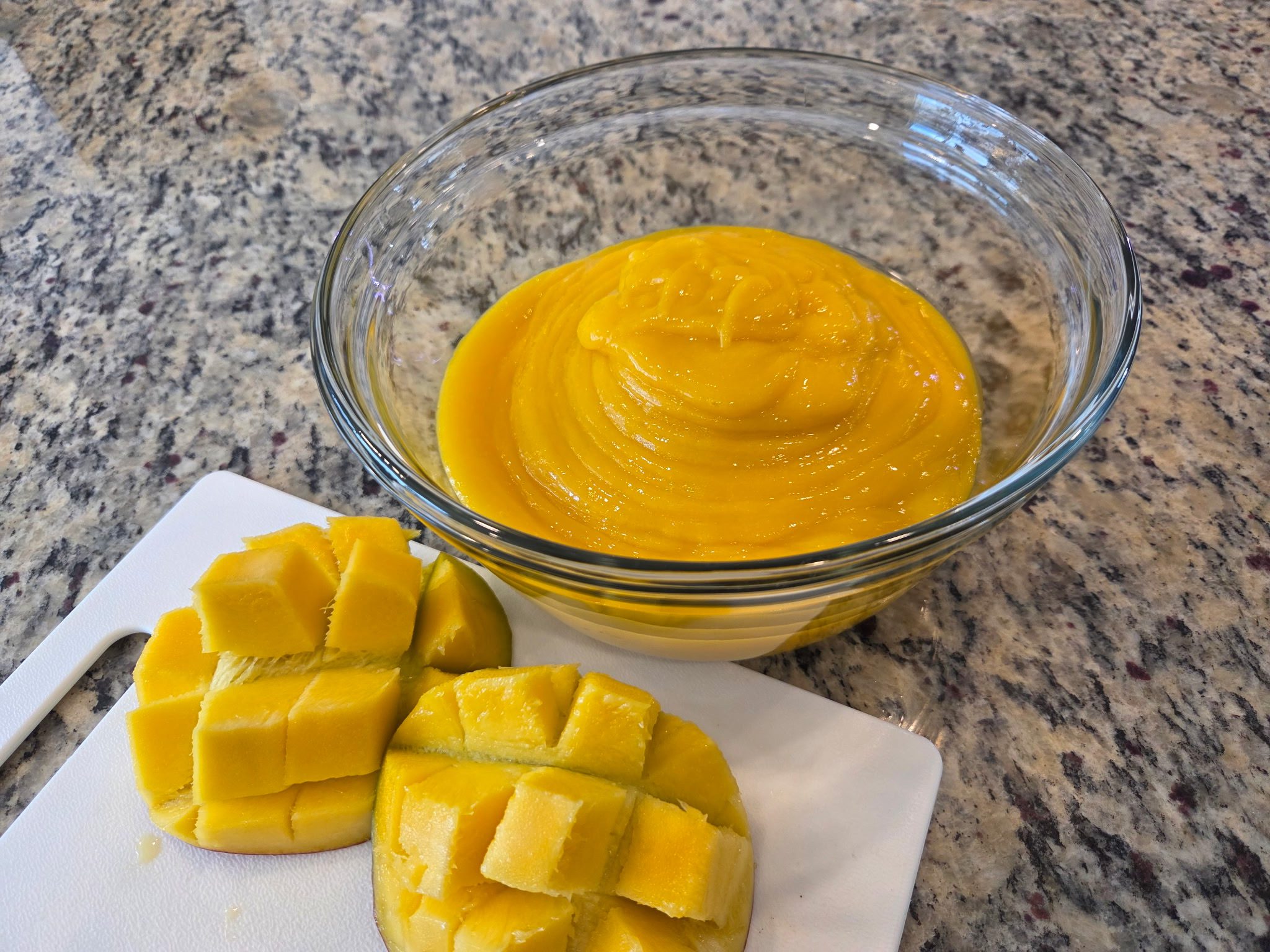
Glass bowl filled with smooth mango puree beside fresh scored mango halves on a cutting board.

Why this flavor pairing works

This recipe works because each ingredient has a clear role. Mango brings ripe fruit, natural sweetness, and acidity. Coconut milk rounds out the base and gives the popsicles a creamier texture. The dark chocolate bar adds cocoa depth, a smooth melt, and a subtle chili finish. Tajín adds salt, citrus, and extra chili for a brighter edge.

The pairing also shows how artisan chocolate guides a recipe. Instead of treating chocolate as a simple sweet addition, this recipe uses the bar’s flavor profile as the starting point. The mango and coconut support the bar, while the chocolate adds depth and structure to the frozen dessert.

That’s where gourmet chocolate bars offer a different kind of recipe opportunity. They often have more specific tasting notes than standard baking chocolate, which helps shape the finished dessert more intentionally.

Small mistakes that change the final pop

Overheating the chocolate

Chocolate doesn’t need high heat to melt. Too much heat will make it thick or grainy. Melt it slowly, stir often, and remove it from the heat as soon as it turns smooth.

Leaving mango pieces in the base

Mango pieces freeze harder than the surrounding coconut base. Blend the mango until it reaches a smooth purée consistency so the popsicles freeze evenly and feel creamier.

Using too much Tajín

Tajín has a strong flavor. It brings salt, citrus, and chili all at once, so it can overtake the more subtle chocolate notes. Use a small pinch, rim only part of the pop, or serve it on the side.

Choosing watery mango

Watery mango makes icier popsicles. Use ripe mango purée with good thickness, or thaw frozen mango and drain excess liquid before blending.

Flavor and texture notes

Frozen desserts need clear, expressive flavors because cold temperatures soften aroma and sweetness. That’s one reason mango, chili, coconut, and chocolate work so well here. Each ingredient brings a distinct quality that still reads after freezing.

Coconut milk provides the fat and body that help create a smoother texture than a fruit-and-water mixture. Mango provides brightness and color. The melted chocolate blends into the base, adding cocoa depth, fruity warmth, and a gentle chili finish throughout the popsicle.

This is also a practical place to use artisan chocolate because the recipe gives the bar enough room to come through. Heavy cream, large amounts of sugar, or strong extracts don’t cover up the chocolate. 

Tools and ingredients you’ll need

You only need a few basic kitchen tools to keep the recipe smooth, easy to pour, and simple to freeze.

Use:

  • Popsicle molds
  • Popsicle sticks
  • Blender or food processor
  • Small saucepan or heatproof bowl
  • Spoon for mixing
  • Measuring cup with a spout
  • Ripe mango or mango purée
  • Full-fat coconut milk
  • Amano Mango Chili Dark Chocolate bar
  • Tajín, optional

The Amano Mango Chili Dark Chocolate bar works especially well because it brings chocolate, fruit, and chili into the recipe without needing a long list of separate flavorings. This is one of the strengths of gourmet chocolate bars in recipe development. When the bar has a defined flavor profile, you build the dessert around it.

FAQ

Can I use frozen mango?

Yes. Thaw frozen mango before blending, then drain any excess liquid if the fruit seems watery. Frozen mango works best when it tastes ripe and sweet on its own. If the purée tastes flat, add a small squeeze of lime juice before freezing.

Is Tajín required?

No. Tajín is optional. It adds a chili-lime finish, but a little goes a long way. Use a light sprinkle, dip one edge, or serve it on the side. Skip it if you want the mango, coconut, and chocolate flavors to stay more centered.

Can I use a different milk?

Yes, though full-fat coconut milk gives the creamiest texture. Light coconut milk, oat milk, or almond milk will work, but the popsicles may freeze with a firmer or icier texture. Coconut milk also pairs especially well with mango and chili.

How long do the popsicles need to freeze?

Most popsicle molds need about four to six hours to freeze fully. Overnight is best if you want a cleaner release from the mold. Run warm water over the outside of the mold for a few seconds before unmolding.

How do I melt the chocolate without making it grainy?

Melt the chocolate slowly over low heat or in short microwave intervals. Stir often and stop heating as soon as it looks smooth. Too much heat will make the chocolate thick or grainy.

How long will homemade popsicles last in the freezer?

They’re best within two to three weeks. Keep them covered in the mold or transfer them to an airtight freezer-safe container once they’re fully frozen. This helps protect the texture and flavor.
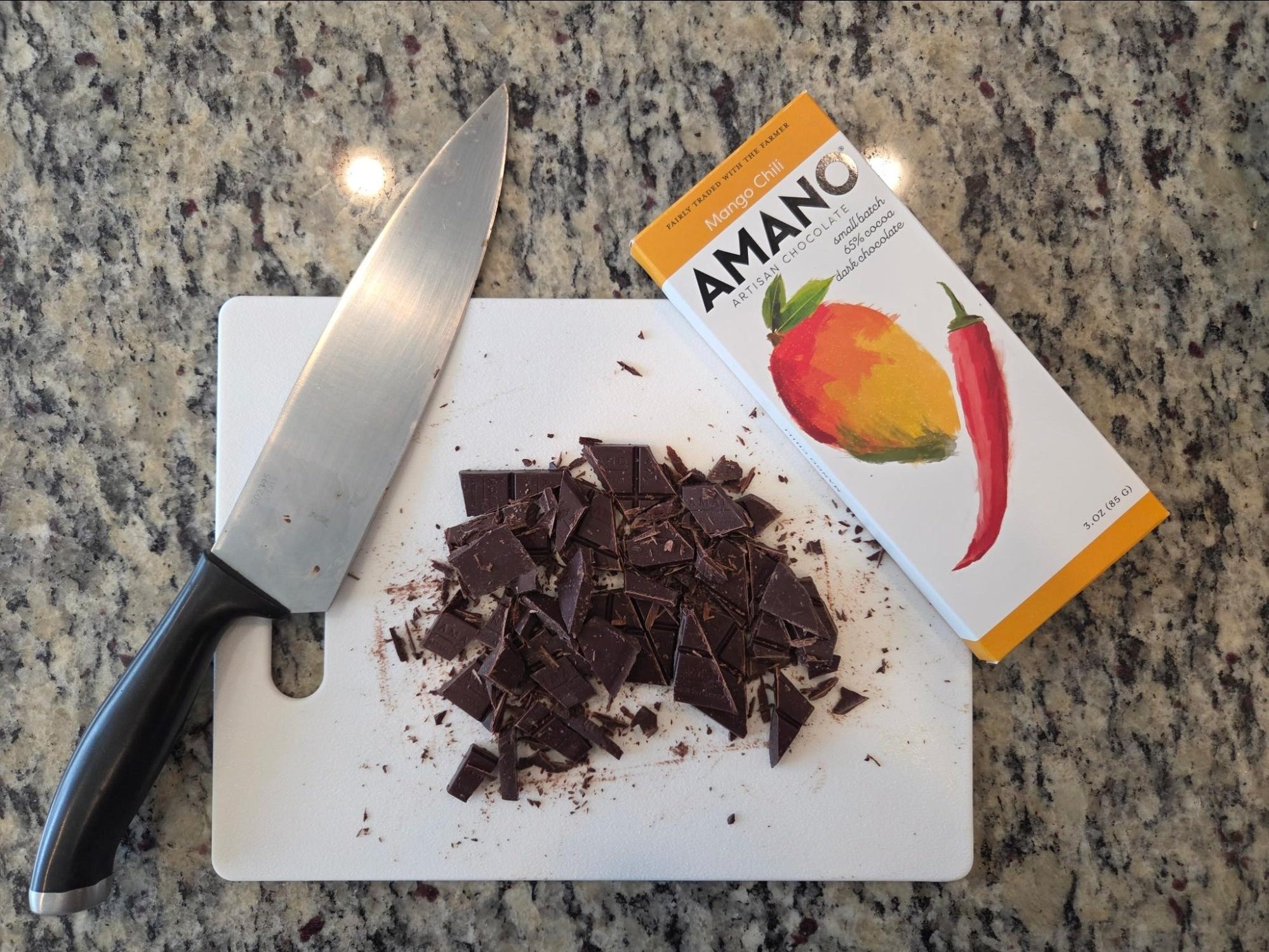
Chopped dark chocolate on a cutting board next to a chef's knife and an Amano Mango Chili chocolate wrapper.

Explore Amano Chocolate through flavor

Dark chocolate mango chili popsicles bring together bright mango, creamy coconut, roasted cocoa depth, and gentle chili warmth in a simple frozen dessert. The Amano Mango Chili Dark Chocolate bar keeps the recipe focused, while a light Tajín finish adds optional contrast for those who enjoy a stronger chili-lime edge.

Explore Amano Chocolate to compare artisan chocolate, flavored bars, and gourmet chocolate bars made for thoughtful tasting, pairing, and recipes like this one.

How Much Caffeine is in Chocolate?

A diagram of caffeine with coffee and dark, milk, and white chocolate bars.

People often ask us, “Does chocolate have caffeine?” and if so, “How much caffeine is in chocolate?” For the record, chocolate contains small amounts of caffeine. Chocolate also contains another closely related substance called theobromine in much larger levels, and the presence of these two closely related substances has been the cause of much confusion among chocolate lovers.

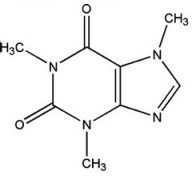
Caffeine Molecule

Caffeine is a xanthine alkaloid substance that is found in the leaves, fruits and nuts of a variety of different plants, including coffee, guarana, tea, yerba mate, and approximately 60 other plants. Amazingly, caffeine is found in a wide variety of types of plants and on completely different sides of the world. One of these plants is the cocoa tree, where the caffeine is found in the seeds (called cocoa beans). Cocoa beans are similar in size and shape to almonds, and they grow inside cocoa pods. The hard cocoa pod is about the size of a small Nerf football. It grows off the branches and trunk of the cocoa tree and contains between thirty to forty beans.

Caffeine protects the cocoa bean

The cocoa tree depends on wild animals to spread and plant its valuable seeds. The cocoa pod that surrounds the cocoa beans is tough and is not easily broken in the wild. (When cocoa farmers break them open, they often use machetes or a heavy stick or rock with a sharp edge.) Nature of course has provided an answer — the cocoa tree surrounds each cocoa bean with a delicious, sweet, white pulp that tastes very much like light lemonade. Not only do cocoa farmers love to eat the pulp on a hot day underneath the tropical sun, the wildlife do as well. Rats, monkeys and other animals break, chew, and find all variety of ways to open the cocoa pods to eat this delicious treat.

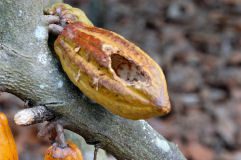
Cocoa pod after wildlife have removed the cocoa beans.

Dependence on local wildlife to open the tough cocoa pods causes its own set of problems — how to keep the animals from eating the cocoa beans. There is an easy to answer to this as well. First, the cocoa beans are covered with a tough, fibrous husk. Then the cocoa tree puts all sorts of things into the cocoa bean itself that deter animals from eating them. One of the primary substances is tannins, which make the cocoa beans when eaten fresh very astringent and not very tasty. Because of this, the wildlife will eat the sweet, delicious pulp on the outside of the cocoa beans and then spit the astringent cocoa beans themselves onto the jungle floor, where they just might find the right conditions to grow.

The tannins are not the only weapons in the cocoa tree’s arsenal. The cocoa trees also load up the cocoa beans with theobromine as well as caffeine. While we may consider both of these mild stimulants, to insects and wildlife, these can be toxic. (Theobromine is what is responsible for making chocolate toxic when ingested by dogs.)  So, the answer to the question: How much caffeine is in chocolate?” is absolutely yes. The tree depends on it.

Caffeine, it is all in the bean. Caffeine is also in your chocolate.

The cocoa bean contains between 0.1% and 0.7% caffeine, 0.2% being the most common amount found. Caffeine is also present in lesser amounts in the husk that surrounds the cocoa beans, usually from .05% to 0.3%. By way of comparison, dry tealeaves are approximately 3% caffeine, and dry coffee beans are about 1.2% caffeine (Robusta coffee has 40 to 50% more caffeine than regular coffee).

During chocolate making, the fibrous husk that surrounds each bean is removed through a process of breaking the bean into pieces, separating the husk from the bean, and then winnowing away the lighter husk from the heavier nibs by use of vacuums or high-pressure fans. The pieces of bean created during winnowing are called cocoa nibs. (The nibs are often ground up before being used to make chocolate, the result being called cocoa mass or cocoa liquor.) It is the nibs that contain the caffeine found in chocolate. The more nibs (or cocoa mass/cocoa liquor) used to make a piece of chocolate, the more caffeine it will contain.

Cocoa nibs contain approximately 54% fat, much as peanuts contain peanut oil. The fat is called cocoa butter, and it contains no caffeine. The plant material (i.e., non-fat) part of the cocoa nibs is called cocoa solids. This is where the caffeine is found. Dark chocolate is dark because it contains a larger percentage of cocoa solids than milk or white chocolate.

How much caffeine is in chocolate: Dark Chocolate

Typical Dark Chocolate Recipe

Cocoa Beans 39%
Sugar 48%
Cocoa Butter 13%
Lecithin < 1%
Vanilla < 1%

Dark chocolate contains a greater percentage of cocoa solids than does milk chocolate or white chocolate. Because of this, dark chocolate will contain more caffeine than either of these two. Dark chocolate typically contains cocoa nibs, sugar, cocoa butter, and sometimes vanilla, salt, or lecithin. Dark chocolate is made with varying percentages of cocoa bean. Chocolate is often labeled either as semi-sweet or bittersweet, terms that are not well defined, though semi-sweet is typically sweeter than bittersweet.

Because of the confusion that often occurs because of these nebulous terms, many high-end manufacturers have begun to label their chocolate with the actual percentage that comes from the cocoa bean. (It should be pointed out that many low-end chocolate manufacturers have now begun to follow suit.) This does not clarify the confusion, since cocoa butter is typically counted as part of the percentage, and some chocolate manufacturers use more or less cocoa butter than others.

For the sake of argument (and to make our calculations simple), let’s assume that the chocolate manufacturers use 10% added cocoa butter. We can then calculate the approximate amount of caffeine in one pound of dark chocolate as follows:

Chocolate Percentage mg/pound mg/3.5oz (100g) mg/2oz (56g)
43% (Semi-Sweet) 353mg 77mg 44mg
50% 453mg 99mg 57mg
60% (Bittersweet) 544mg 119mg 68mg
70% 635mg 139mg 79mg
80% 725mg 159mg 91mg
90% 816mg 179mg 102mg
100% 907mg 198mg 113mg

 It should be pointed out that almost nobody eats a whole pound of chocolate, dark or otherwise, in one sitting. There is an inverse relationship between how dark the chocolate is and how much is eaten. The darker chocolate becomes, the less people eat. This makes it difficult to correlate the percentage (how dark the chocolate is) with what people really eat.

In general, a dark chocolate bar is eaten in small pieces, not all at once. Most manufacturers of quality dark chocolate mold the chocolate with deep scores, the intent being that the chocolate be eaten in small bite-size pieces and savored. For example, our two ounce (56 gram) chocolate bars are scored into 15 pieces of equal size (.113 ounce / 3.2 grams) — the perfect size for slowly savoring one piece at a time. We expect that a chocolate bar will last far beyond a single sitting, generally several days to a week.

In the end, there is a moderate amount of caffeine in dark chocolate, not nearly as much as in coffee, and it would not be typical for someone to consume enough dark chocolate in a single sitting to equal the amount of caffeine found in a cup of coffee. The amount of caffeine actually consumed will depend on the person, the darkness of the chocolate, and the number of tasting squares the chocolate is divided into.

How much Caffeine is in Chocolate: Milk Chocolate

Typical Milk Chocolate Recipe

Cocoa Beans 16%
Whole Milk Powder 16%
Sugar 38%
Cocoa Butter 30%
Lecithin < 1%
Vanilla < 1%

Caffeine is in milk chocolate in trace amounts. However, it is not nearly as much as we have seen in dark chocolate. It is hard to quantify how much caffeine is in milk chocolate because each manufacturer has its own recipe, and the percentage of chocolate that comes from the cocoa bean varies widely from manufacturer to manufacturer. According to one study that examined the recipes used by milk chocolate manufacturers, milk chocolate was found to contain as little as 8.5% or as much as 40% of cocoa from the cocoa bean (the rest being cocoa butter, milk, sugar, and sometimes, vanilla (or vanillin), soy lecithin and salt). A typical recipe for milk chocolate uses only about 16% cocoa nibs.

If we use this as an average amount, we can calculate that one pound of milk chocolate contains 145 milligrams of caffeine. (One prominent chocolate company in the United States reports that its chocolate contains approximately 100mg of caffeine per pound of chocolate.) This is approximately the same amount of caffeine as is in one cup of coffee.

Is this a lot of caffeine? Not too many people can eat a whole pound of milk chocolate in a single sitting. If they do, then they are also eating close to a half a pound of sugar. The large amount of sugar will more than likely cause much more of a “buzz” than will the naturally occurring caffeine.

How much caffeine is in chocolate: White Chocolate

Typical White Chocolate Recipe

Cocoa Butter 27%
Sugar 48%
Milk Powder 25%
Lecithin < 1%
Vanilla < 1%

White chocolate is made from cocoa butter, milk, and sugar. Sometimes a little vanilla is added to round out the flavor. Almost all white chocolate uses deodorized cocoa butter as its main ingredient. This means that the solid portions of the cocoa bean have been removed through filtering and exposing the melted cocoa butter to hot steam. All that remains is the naturally occurring fat from the cocoa bean (cocoa butter). Since this is all that is left and there is no caffeine in milk, sugar or vanilla, for all practical purposes, caffeine is not present in white chocolate.

Conclusion

So does chocolate contain caffeine? The answer is yes. Does chocolate contain lots of caffeine? The answer is no.

Chocolate has been found to contain enough caffeine to be of concern to people with heart or other ailments. For this reason, some doctors will recommend that some people who are not in good health not eat foods that contain caffeine.

Doctors will of course recommend that people reduce or eliminate other foods from their diets if those foods are not healthful. A prime example is salt, which can cause severe problems for people with high blood pressure. If consumed in large enough quantities, salt is also capable of killing a perfectly healthy individual. And while salt can kill when consumed in large enough quantities, salt is also necessary for life.

Preliminary studies on coffee suggest that it may have some health benefits to people who suffer from Alzheimer’s, Parkinson’s disease, heart disease, and diabetes, among others. Some of these studies indicate that part of these health benefits are due to the caffeine naturally present in coffee. Whether this holds for chocolate as well has yet to be investigated, though it would be natural for some of these affects to carry over.

So, now you know the answer to: “How much caffeine is in chocolate?” So should the caffeine that is in chocolate be a concern? It probably should be if you are not healthy. Otherwise, I doubt that the amount of caffeine in chocolate is enough to affect most people unless enormous amounts of chocolate are consumed. The fact that chocolate contains caffeine is simply one of those interesting curiosities that surround what is in a lot of our food. When food is eaten in moderation it can be enormously pleasurable, and one of the most pleasurable foods to be found anywhere is chocolate.

For comparison purposes, a chart containing the amount of caffeine in various beverages is included below.

Food / Beverage Serving Size (oz) Caffeine (mg) mg/oz
Coffee
Coffee (Brewed) 8 107.5 13.44
Coffee (Decaf Instant) 8 2.5 0.31
Coffee (Decaf Brewed) 8 5.6 0.70
Coffee (Drip) 8 145 18.13
Coffee (Espresso) 1.5 77 51.33
Coffee (Instant) 8 57 7.13
Tea
Tea (Brewed) 8 47 5.88
Tea (Green) 8 25 3.13
Tea (Instant) 8 26 3.25
Tea (Lipton Brisk) 12 9 0.75
Tea (Lipton Ice Teas) 12 9 0.75
Tea (Nestea Ice Tea) 16 34 2.13
Caffeinated Sodas
Cocoa Cola Classic 12 34.5 2.83
Cocoa Cola Diet 12 45 3.75
Pepsi 12 38 3.17
Pepsi (Diet) 12 36 3.00
Dr. Pepper 12 41 3.42
Dr Pepper (Diet) 12 41 3.42
Highly Caffeinated Sodas
Bawls 10 66.7 6.67
Jolt Cola 23.5 220 9.36
Mello Yello 12 52.5 4.38
Mountain Dew 12 55 4.58
Red Bull 8.3 80 9.64
RockStar 16 160 10.00

References:

Food / Beverage Caffeine Table Data from EnergyFiend.com
Industrial Chocolate: Manufacture and Use, Third Edition. S.T. Beckett Editor.
Chocolate Production and Use. L. Russell Cook
Chocolate, Cocoa, and Confectionary: Science and Technology, Third Edition. Bernard W. Minifie
Cocoa; C.J.J. Van Hall
Cocoa and Chocolate: Their History from Plantation to Consumer; A.W. Knapp