The Flavor Profiles of Cocoa Varietals: How Beans Shape Chocolate

Split open cacao pod showing white cocoa beans inside, placed on dry brown leaves on the ground

Everything great about artisan chocolate, from the richness and aroma to the flavor, originates with the cocoa bean.

As vintners distinguish grapes for wines, chocolate makers pay close attention to cacao varietals to define the flavor from the ground up. Creating distinct tastes, textures, and aromas.

Four major cocoa varietals shape the world’s chocolate: Forastero, Trinitario, Criollo, and Nacional. Understanding how they differ gives chocolate lovers a deeper appreciation for what makes each bar of chocolate unique.

Whether you favor the bold backbone of Forastero cacao, the floral delicacy of chocolate Criollo, or the balanced nuance of Trinitario and Nacional beans, exploring these varietals opens a door into chocolate’s most fascinating layer. 

What is a cocoa varietal?

A cocoa varietal refers to a distinct group within Theobroma cacao, the species that gives us chocolate. These varietals differ not only in appearance and yield but also in the subtle chemical compounds that determine aroma and taste.

Today, many farms grow hybrids, but four classic groups remain the foundation for how chocolate makers describe flavor.

Identifying and sourcing by varietal is an act of respect for the bean’s identity. The goal isn’t to mask the natural flavor but to let it speak for itself through precise fermentation, roasting, and blending.

Diversity shaped by history and environment

Long before chocolate took the shape we know today, cacao thrived deep within the rainforests of the Amazon Basin. Indigenous people first discovered its potential thousands of years ago, cultivating it not merely as a food source but as a sacred crop — a symbol of life, energy, and connection to the divine.

The Maya and Aztec peoples became early stewards of the plant, cultivating it with care and reverence. They ground roasted cacao beans into a rich drink called xocolatl, flavored with chili and honey, for rituals, royalty, and warriors. Cacao beans were so prized that they even served as a form of currency.

When Spanish explorers encountered the crop in the 16th century, they carried it across the Atlantic, forever changing its story. From Mesoamerica to Europe and beyond, cacao adapted to new climates, soils, and agricultural practices. Natural hybridization and human selection shaped its evolution, giving rise to distinct cocoa varietals.

The four chocolate varietals

Each variety of cocoa bean carries its own aromas, textures, and flavors. Together, they form the foundation of every chocolate bar crafted around the world.

The four main cocoa varietals are Forastero, Criollo, Trinitario, and Nacional. These beans differ in both how they grow and how they taste.

Exploring these varietals reveals how deeply nature and craftsmanship intertwine. Each one offers a glimpse into chocolate’s past and a promise for its future — proof that authentic flavor begins long before the first roast.

Forastero

Originating in the Amazon Basin and thriving across West Africa, Forastero accounts for 80-85% of the world’s cocoa crop. Forastero beans grow in abundant pods on hardy trees resistant to disease. 

This resilience comes with a flavor profile as bold as its nature. Nutty, woody, or bitter notes often characterize Forastero cacao’s robust, earthy flavor. This flavor embodies the classic taste of commercial chocolate bars worldwide.

Through thoughtful fermentation and careful roasting, chocolate makers draw out the natural richness, softening the edges and creating a balanced, satisfying complexity. Well-crafted Forastero celebrates strength and structure — the foundation of chocolate’s universal appeal.

Criollo

Native to Central America and northern South America, Criollo is exquisite in flavor but delicate in temperament. The Criollo bean makes up 1-5% of the total cocoa crop. The lower-yielding pods are lighter in color and encase pale, fragile beans. Disease and environmental stress devastate Criollo crops, making chocolate Criollo rare and highly prized.

The sensory experience is remarkable with minimal bitterness and gentle acidity. Its flavor is soft, creamy, and layered, with notes of caramel, nuts, red fruit, and honey. The result is an almost buttery texture and a lingering sweetness that defines many of the world’s most celebrated fine chocolates.

Cultivating Criollo requires exceptional care and commitment. Artisan chocolate makers value it not only for its taste but also for its symbolism, a reminder that perfection often demands patience and precision. 

Cocoa pods, beans, powder, and chocolate bars on rustic wood

Trinitario

Where Forastero and Criollo meet, Trinitario was born. In the 18th century, devastating storms in Trinidad wiped out much of the Criollo crop. Farmers replanted using hardy Forastero stock, and nature did the rest, producing a hybrid that combined Forastero’s resilience with Criollo’s elegance.

Trinitario soon became the go-to varietal for artisan chocolate makers who wanted the best of both worlds. Today, the Trinitario varietal accounts for 10-15% of the world’s cocoa crop. The beans are diverse in shape and color, reflecting their hybrid heritage. Their flavor changes from bright and fruity to deep and spicy depending on the region. 

A balanced acidity, smooth texture, and notes of dried fruit or wine characterize typical Trinitario chocolate. This balance often serves as the foundation for award-winning bars. It’s forgiving in cultivation yet expressive in taste and speaks of adaptability without compromise.

Nacional

Native to Ecuador’s upper Amazon region, this varietal’s unparalleled floral aroma is known the world over. Its unique profile increased its popularity in Europe, making it amongst the most desired cocoa beans among chocolatiers. 

By the 20th century, disease and hybridization nearly erased Nacional trees, thought to be extinct until 2007. Researchers and farmers rediscovered pockets of authentic Nacional genetics in remote Ecuadorian valleys, sparking a revival of this treasured varietal. Now, Nacional beans account for less than 1% of the total cocoa bean crop. 

The flavor of Nacional chocolate is unmistakable: fragrant and elegant, with notes of jasmine, orange blossom, and subtle tropical fruit. Its gentle sweetness and low bitterness make it a favorite among chocolate makers who value sophistication over intensity.

Sourcing Nacional beans isn’t only about taste — it’s about honoring history and biodiversity. Each bar crafted from Nacional cacao reflects a commitment to purity, preservation, and the art of revealing chocolate’s natural perfume.

Modern hybrids and emerging varietals

Over the past century, researchers, farmers, and artisan chocolate makers have continued to explore and develop new hybrids. These modern strains were born out of necessity and curiosity, as cacao farmers sought beans that could resist disease, thrive in diverse climates, and still deliver the depth of flavor that defines fine chocolate.

Hybrids, such as Carenero Superior from Venezuela or Amelonado from West Africa, strike a delicate balance between strength and character. Carenero Superior, often associated with Trinitario heritage, boasts bright acidity and subtle spice. Amelonado, a cultivated Forastero variety, produces a deep, round cocoa flavor that serves as a reliable base for blends yet shines beautifully in the hands of skilled craft makers.

Researchers have rediscovered ancient beans such as Chuncho cacao from Peru’s Cusco region. Believed to be one of the oldest genetic varieties still in cultivation, Chuncho offers floral, nutty, and honeyed notes that rival the elegance of Criollo. Its revival has sparked new excitement among chocolate makers and conservationists alike, reminding us that innovation in cacao often means looking to the past.
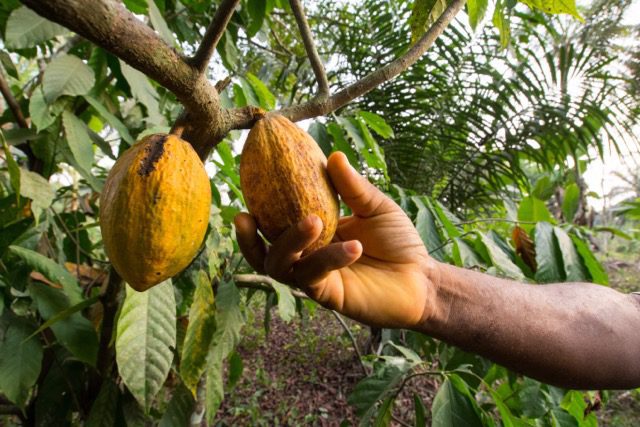
A hand reaching up to pick ripe yellow-orange cocoa pods from a tree in a lush plantation.

How place shapes flavor

Even within the same varietal, no two cacao beans taste exactly alike. Their flavor reflects the environment in which they grow. This sense of place, known as terroir, manifests climate, soil, altitude, and local farming practices to create a flavor profile unique to each origin.

Cacao trees thrive in the narrow band around the equator, where temperature, rainfall, and humidity remain steady throughout the year. Within this tropical belt, subtle differences in geography make a profound impact. 

Beans grown in volcanic soil, for example, often carry bright fruit acidity and clean, citrusy tones, while those cultivated in dense rainforest regions develop earthier, deeper chocolate notes. Coastal climates produce beans with gentle sweetness, while high-altitude farms yield cacao with heightened aromatics and balanced acidity.

Farmers and chocolate makers understand that terroir is more than geography — it’s a living relationship between the tree and its environment. The minerals in the soil, the microorganisms in the air, even the shade provided by surrounding plants influence how cacao ripens and ferments. Each factor leaves an imprint, shaping the aroma that blooms in the finished chocolate.

Terroir serves as both inspiration and guide. 

How varietal meets craftsmanship

Unlocking the potential of different cocoa varietals requires mastery. The journey from bean to bar transforms raw cacao into chocolate that expresses its identity. The transformation depends on precision, patience, and respect for the bean’s origin.

First, the cacao bean ferments. As cacao pulp ferments, natural yeasts and bacteria generate heat and acid, breaking down the bean’s sugars and developing aroma compounds. Criollo beans need shorter fermentation and cooler temperatures to preserve their floral complexity. Forastero benefits from longer fermentation that softens bitterness and deepens the cocoa flavor.

Next comes roasting, where temperature and timing shape the flavor of the beans. A deep roast mellows the strong, earthy tones of Forastero, while a gentle roast enhances the caramel and nut notes of chocolate Criollo. Trinitario and Nacional fall between these extremes, requiring experimentation to find their perfect balance.

During conching, the mixture smooths out and develops its flavor. Hours — sometimes days — of slow mixing allow acids to dissipate and complex notes to bloom. Amano’s small-batch approach to conching and tempering ensures that the distinct identity of each varietal remains intact.

This level of attention embodies the philosophy of artisan chocolate: crafting with intention, not automation. Every decision honors the bean’s individuality — artistry meeting science.

Why varietals matter to chocolate lovers

Understanding cacao varietals deepens not only your appreciation of chocolate’s flavor but also its integrity. Each varietal represents a lineage shaped by people and place — farmers preserving seeds, artisans refining methods, and consumers valuing authenticity.

Varietals are more than ingredients. They are partnerships with nature and history. Recognizing them connects you to sustainability, ethical sourcing, and biodiversity conservation. Choosing chocolate by varietal supports growers who maintain heirloom trees and protect cultural heritage.

Knowing what you’re tasting enhances the experience. When you savor Criollo or Forastero, you’re not only enjoying flavor — you’re tasting centuries of evolution and human artistry.

Artisan chocolate celebrates diversity in every sense: in the genetics of the beans, the environments from which they come, and the hands that craft them.

A tempting stack of rich dark chocolate squares surrounded by cinnamon sticks, star anise, and cocoa powder.

Discovering authentic flavor with Amano

From the bold depth of Forastero cacao to the rare delicacy of chocolate Criollo, each varietal tells a story of place, tradition, and craftsmanship. When guided by skilled hands, those differences become art — transformed into chocolate that captures the essence of its origin.

At Amano Chocolate, that artistry defines everything we do. Amano crafts each bar in small batches, using time-honored methods that preserve the cacao’s integrity and celebrate the farmers who grow it. 

If you’re ready to experience chocolate crafted with purpose and precision — rich in character, layered with flavor, and true to its roots — explore our entire Amano Chocolate collection. Discover how craftsmanship, ethics, and flavor converge in every bite, and taste the difference that begins where flavor starts: with the bean itself.

The Ultimate Guide to Tasting Single Origin Chocolate Like a Pro

Cocoa beans drying on a mat under a bamboo structure with a turkey nearby.

Most people eat chocolate without truly tasting it. Single origin chocolate invites a deeper experience, using cacao from one region to highlight the land’s unique character — bright citrus, warm spice, or earthy richness.

This guide helps you move beyond casual snacking. You’ll learn to taste with intention, recognize flavor notes, and understand how origin and craft shape every bite. Whether starting fresh or refining your palate, you’ll discover how real chocolate tells a story through flavor.

What makes single origin chocolate special

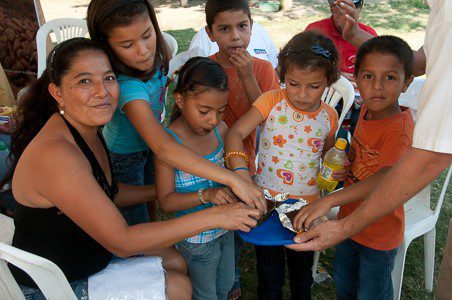
A man and woman help children engage in an outdoor activity

Single origin chocolate uses cacao beans harvested from one specific region, farm, or cooperative. Blended chocolate combines beans from multiple locations to create consistency, while single origin chocolate highlights the natural character of its source. Every bite expresses the unique identity of that place.

Terroir shapes the flavor. Soil, climate, rainfall, altitude, and nearby vegetation all influence how cacao develops. These factors leave their imprint on the beans long before roasting begins. Like grapes in winemaking, cacao absorbs the essence of its environment. After fermentation and drying, the beans carry those environmental signatures into the final bar.

Origin shapes the tasting experience more directly than cacao percentage. A 70% bar from Madagascar bursts with citrus and red fruit, while a bar with the same percentage from Ecuador leans into floral or earthy tones. Flavor reflects the land where the cacao grew and the hands that guided it through every step.

Single origin chocolate invites focused tasting. It rewards attention to detail, celebrates diversity of flavor, and reveals the connection between chocolate and place. When you understand the origin, you understand what makes each bar unforgettable.

How to prepare for a proper tasting

Start with high-quality single origin chocolate. Select bars from makers who emphasize craftsmanship, transparency, and ethical sourcing. Choose brands like Amano that showcase the distinct character of each cacao origin. These bars deliver layered flavors and smooth textures ideal for a focused tasting experience.

Serve chocolate at the right temperature. Aim for 65 to 70 degrees Fahrenheit. At this range, the chocolate softens slightly at this range, releases its aroma, and melts cleanly on the tongue. Let the bar rest at room temperature before tasting if it feels too cold.

Create a neutral environment. Use natural lighting to observe the chocolate’s color and sheen. Eliminate competing smells by removing scented candles, perfumes, or cooking odors from the space. A calm, clean setting sharpens your senses and brings focus to the flavors.

Cleanse your palate between tastings. Sip room-temperature water or eat a piece of unsalted cracker to clear lingering flavors. This resets your taste buds and prepares you to notice new notes in the next sample.

Approach the tasting with curiosity. Preparation enhances perception. By setting the right conditions, you invite each bar to reveal its story through flavor, texture, and aroma.

Step-by-step guide to tasting single origin chocolate like a pro

Tasting single origin chocolate with purpose deepens your appreciation for its flavor, origin, and craftsmanship. Activate your senses and follow these steps to explore each bar with clarity.

Look

Examine the chocolate under natural light. Observe its surface for smoothness and sheen. Well-tempered chocolate reflects light and displays a consistent hue, whether deep mahogany, reddish-brown, or nearly black. Imperfections like streaks or gray patches suggest poor storage or tempering.

Snap

Break a piece cleanly and listen. A crisp snap indicates proper tempering and structure. A dull or crumbly break points to flaws in processing or temperature control. This small moment reveals the bar’s quality before it reaches your palate.

Smell

Lift the piece to your nose and inhale deeply. Identify aromas such as citrus, red berries, toasted nuts, jasmine, spice, or earth. These scents emerge from the bean’s origin, fermentation, and roast. Smell prepares your taste buds for what follows and reveals the bar’s personality.

Taste

Place the chocolate on your tongue and let it melt slowly. Chewing interferes with the flavor evolution. As it softens, track the transitions. Perhaps a burst of fruit, a wave of cocoa richness, then a finish with floral or nutty complexity. A refined bar unfolds in layers and leaves a clean, satisfying aftertaste.

Reflect

Record your impressions immediately. Note texture, flavor notes, and how the finish lingers. Compare chocolates from different origins side by side. Tracking your reactions sharpens your palate and reveals your personal preferences.

Approach every tasting with curiosity. Each bar delivers a story through its flavor, texture, and aroma. Savor it slowly and discover what makes single origin chocolate an experience worth exploring.

Tasting notes to watch for

Each bar of single origin chocolate tells a story rooted in soil, climate, and craftsmanship. Recognize key flavor notes to follow that story with clarity and confidence.

Explore regional profiles

Identify origin-based characteristics. Madagascar cacao reveals bright citrus, tart red berries, and playful tanginess. Venezuelan beans deliver deeper flavors — plum, raisin, spice, and wine-like richness. Peruvian origins showcase floral highs, nutty warmth, and gentle earthiness. Regional profiles reflect terroir and farming practices, giving each bar a distinct voice.

Evaluate balance and structure

Track acidity, bitterness, sweetness, and mouthfeel. High acidity brightens flavor and adds liveliness. When integrated well, bitterness brings depth and structure. Subtle sweetness rounds the profile without overwhelming it. Mouthfeel shapes the experience—creamy, dry, gritty, or silky—and influences how long flavors linger.

Understand how the process shapes taste

Roasting and conching unlock and refine flavor. Light roasting preserves fruity or floral notes. Darker roasting deepens richness and highlights nutty or smoky qualities. Conching smooths texture and balances flavor by blending volatile compounds and reducing harsh acidity. Longer conching creates a cleaner, more harmonious finish.

Focus on these elements during a tasting to experience chocolate with precision. Each note you taste reflects a decision made by the grower or maker, linking you to the origin and the care behind the bar.

Comparing origins side by side

Create a vertical tasting with bars from two to four distinct regions. This method showcases how each origin expresses its unique identity through flavor, aroma, and texture. Focus on the region rather than cacao percentage to experience the influence of terroir in its purest form.

For a revealing tasting experience, start with bars that share the same cacao percentage—ideally around 70%—to ensure a fair comparison. Choose single origin bars from distinct regions such as Madagascar, Venezuela, Peru, and Ecuador. Each origin brings its own personality to the table, shaped by terroir and cacao varietal.

Break each bar into small pieces and arrange them from deepest to brightest in flavor. Begin with the boldest, earthiest profile—often found in bars from Ecuador or Venezuela. Then move toward the lighter, fruitier expressions from Peru and Madagascar. 

Starting with darker, less sweet profiles helps train your palate to recognize subtle shifts in acidity, bitterness, and texture. As you taste your way through the lineup, you’ll begin to identify the unique voice of each origin more clearly.

Taste slowly and observe how flavors unfold. Madagascar delivers citrus and red berry brightness. Venezuela brings plum, spice, and rich depth. Peru reveals floral top notes and nutty smoothness. Ecuador offers earthy, woody tones with gentle complexity. Each region leaves a distinct mark through climate, soil, and post-harvest techniques.

Notice how texture, acidity, and finish differ. One bar might melt faster or feel creamier, while another might linger with a warm, spiced finish. Vertical tasting sharpens your senses and helps you recognize the nuances shaped by place.

Record your observations as you go. Highlight the contrasts. Celebrate the surprises. A side-by-side comparison uncovers the personality of each chocolate and deepens your understanding of how terroir transforms flavor into storytelling.

Explore with Amano Chocolate

Packaging design for Amano Coffee Bar featuring a modern aesthetic and vibrant colors

Amano Chocolate celebrates single origin cacao with unmatched dedication. Each bar begins with ethically sourced beans and reflects the unique flavor of its region.

Taste Ocumare for bold red fruit and warm spice. Try Dos Rios for bright citrus and floral depth. Choose Madagascar to experience vibrant notes of raspberry and tangy citrus. Every origin tells a story through flavor, texture, and aroma.

The Art of Pairing: Artisan Chocolate and Fine Wine

Red wine, glasses and chocolate pieces on a wooden table.

Chocolate wine, two of life’s most celebrated indulgences: learn how to pair artisan chocolate and wine by exploring balance, texture, and origin.

Why artisan chocolate makes a difference

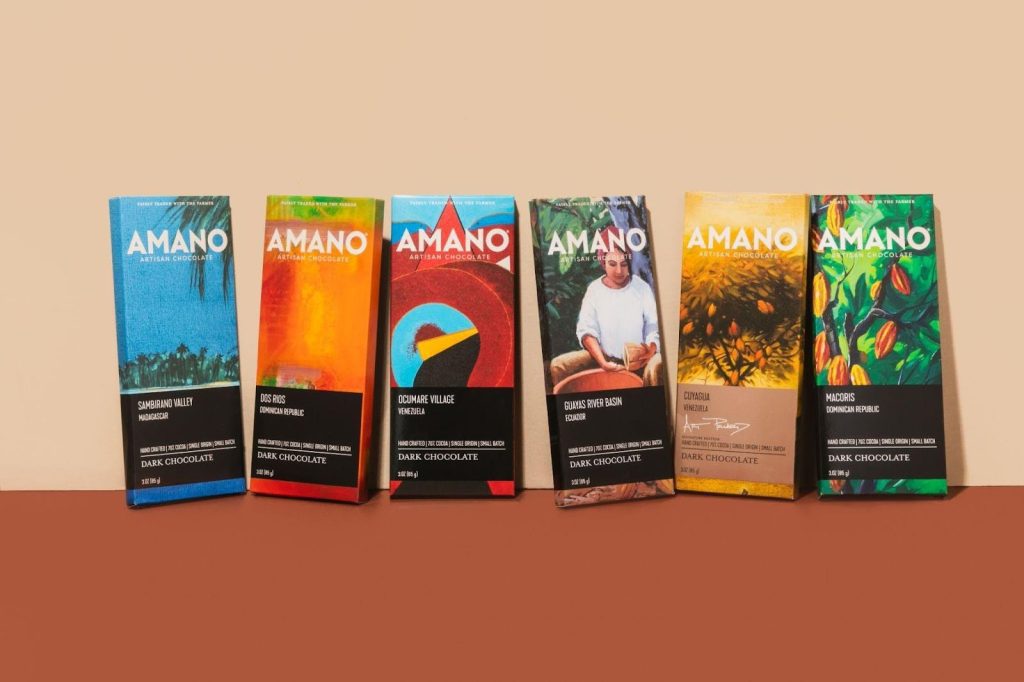
A variety of Amano Artisan Chocolate bars with colorful packaging on a beige background.

Quality sets artisan chocolate apart and makes it ideal for wine pairing. Makers use carefully sourced cacao from specific regions, each offering unique flavor notes — from Madagascar’s bright citrus to Venezuela’s deep, wine-like richness. Expert fermentation, roasting, and conching preserve the bean’s character and create depth, balance, and complexity.

Mass-produced chocolate often relies on sugar, additives, and blended beans, resulting in flat, overly sweet flavors that clash with wine. By contrast, artisan chocolate supports and enhances the wine, creating a thoughtful, elevated tasting experience that reflects origin and craftsmanship.

The basic principles of pairing

Pairing artisan chocolate with fine wine begins with understanding how flavor, structure, and texture interact. Both wine and chocolate offer complexity, but to achieve harmony, you must approach each pairing with purpose and attention.

Start by matching intensity. Bold wines require equally bold chocolates. A full-bodied Cabernet Sauvignon brings out the richness in high-percentage dark chocolate. Lighter wines like Pinot Noir or Riesling complement milk or white chocolate with smoother textures and gentler sweetness. 

When wine and chocolate share similar depth, they enhance each other without overpowering the palate.

Use both complement and contrast to create balance. Complementary pairings highlight shared notes, so pair cherry-forward chocolate with a fruit-forward red to reinforce the flavor profile. 

Contrasting pairings introduce tension and intrigue. For example, match a sea salt inclusion bar with a sweet dessert wine to create a dynamic interplay between savory and sweet. Each approach delivers a distinct sensory experience.

Focus on structure: tannins, acidity, sweetness, and mouthfeel. High-tannin wines demand fat and richness in the chocolate to soften their edges. Bright, acidic wines refresh the palate when paired with chocolate that offers fruity or tangy undertones. Always match sweetness carefully.

If the chocolate tastes sweeter than the wine, the wine may turn sharp or bitter. Align sweetness levels to maintain balance. Finally, match mouthfeel. Silky wines work best with creamy chocolate, while crisp wines cleanse the palate between bites of dense, dark bars.

Approach pairing with intention. Let each element support the other. When you match flavor, structure, and intensity, wine and chocolate create a layered, memorable experience that goes far beyond indulgence.

Classic pairings to try

Pairing chocolate with wine becomes more rewarding when you match their intensity, texture, and flavor profiles. These classic combinations highlight how thoughtful pairings elevate both elements, creating a richer, more memorable tasting experience.

Dark chocolate with Cabernet Sauvignon

Pair bold with bold. Choose a rich, dark chocolate with high cacao content and match it with a structured Cabernet Sauvignon. The chocolate’s depth enhances the wine’s dark fruit, while the wine’s tannins balance the chocolate’s bitterness. Together, they create a powerful and elegant flavor experience.

Milk chocolate with Pinot Noir

Combine milk chocolate’s creamy texture with Pinot Noir’s bright acidity and red berry notes. This pairing feels smooth and balanced, with the chocolate’s caramel tones playing off the wine’s fruit-forward character. Pinot Noir’s softness complements the richness without overwhelming it.

White chocolate with Moscato or Riesling

Match white chocolate’s buttery sweetness with a vibrant wine like Moscato or an off-dry Riesling. These wines offer floral aromatics, fresh acidity, and fruit notes that brighten the chocolate’s richness. The result feels light, playful, and indulgent without becoming too heavy.

Single-origin dark chocolate with Zinfandel or Syrah

Highlight regional character by pairing single-origin dark chocolate with wines that match its depth. Choose a bar from a region like Madagascar, Peru, or Venezuela, and pair it with a bold red like Zinfandel or Syrah. The wine’s spice, ripe fruit, and body mirror the chocolate’s complexity, revealing new layers with each taste.

Use these combinations as inspiration. Taste slowly, explore mindfully, and notice how each element changes when paired. Let flavor lead, and you’ll uncover intentional, elevated, and unforgettable pairings.

Exploring origin-based pairings

Start your pairing journey by focusing on the origin of the cacao. Like grapes in winemaking, cacao beans absorb the characteristics of their environment. Soil, climate, altitude, and local farming practices influence the bean’s flavor. This distinct sense of place, known as terroir, shapes each bar’s identity. 

When you choose wine that reflects or complements those regional flavors, you create a pairing that feels intentional and elevated.

Taste the chocolate first. Identify its dominant notes. Look for brightness, richness, spice, fruit, or floral tones. Use these flavors to guide your wine selection.

For example, Madagascar cacao often delivers lively citrus, tart berries, and a clean finish. Pair it with a vibrant red like Grenache or Beaujolais. These wines bring their own fruit-forward character and natural acidity, which match the chocolate’s brightness without overwhelming it.

Venezuelan cacao usually produces deeper, more robust flavors such as raisin, molasses, or warm spice. Choose a full-bodied red like Syrah or Malbec to complement this richness. These wines bring bold fruit and structure, enhancing the chocolate’s complexity.

Peruvian chocolate often carries nutty, floral, or creamy notes. Pair it with a delicate Pinot Noir or a lightly oaked Chardonnay. These wines soften the chocolate’s earthy tones, bringing out its subtle layers without overshadowing its natural profile.

Treat both wine and chocolate as expressions of their origin. Match them based on shared qualities or compelling contrasts. By aligning their stories, you invite deeper discovery and create a tasting experience grounded in place and purpose.

Explore regional pairings with curiosity and attention. Taste thoughtfully. Let origin lead. You’ll unlock connections that reveal the craftsmanship, culture, and natural beauty behind every bar and bottle.

Tips for hosting a tasting experience

Friends toasting wine glasses outdoors under a blue sky.

Creating a chocolate and wine tasting at home offers an elegant way to explore flavor, enjoy conversation, and indulge in sensory discovery. With a few thoughtful details, you can transform a casual evening into a curated experience that feels both luxurious and approachable.

Start with temperature 

Serve chocolate at room temperature, ideally between 65°F and 70°F. This allows the cocoa butter to soften slightly and release its full aroma. If chocolate feels too cold, it will snap too hard and mute the flavor. 

Let it rest outside the wrapper for a few minutes before tasting. For wine, follow general guidelines based on the type. Chill white wines to around 50°F, keep reds slightly cooler than room temperature at about 60°F to 65°F, and serve dessert wines chilled to enhance balance.

Cleanse your palate 

Between pairings, sip room-temperature water or nibble on a neutral cracker to reset your taste buds. Avoid flavored sparkling waters, cheeses, or acidic fruits that linger on the palate and interfere with the subtle notes in the next pairing.

Follow a deliberate order

Begin with lighter chocolates and wines before moving toward darker, bolder flavors. Start with white chocolate or a fruit-forward milk chocolate, then progress to single-origin dark chocolate with higher cacao percentages. 

Match the wine progression as well, beginning with light-bodied whites or rosés, followed by reds, and ending with dessert wines or fortified selections. This flow helps preserve clarity and avoids overwhelming your senses early in the tasting.

Create an atmosphere that encourages slow savoring

Choose elegant glassware and lay out tasting notes or pairing cards for guests to follow. Use soft, warm lighting to create a relaxed tone. 

Curate a background playlist with gentle jazz, classical, or acoustic music to maintain focus and keep the energy intimate. Arrange chocolates with space between them so each feels distinct. Pour small wine samples to encourage mindful tasting rather than casual sipping.

With thoughtful preparation, your tasting becomes more than an event — it becomes a shared experience. Invite your guests to discuss what they taste, compare notes, and discover their preferences. The more attention you bring to each element, the more rewarding and memorable the evening will be.

Pairing Amano Chocolate with fine wine

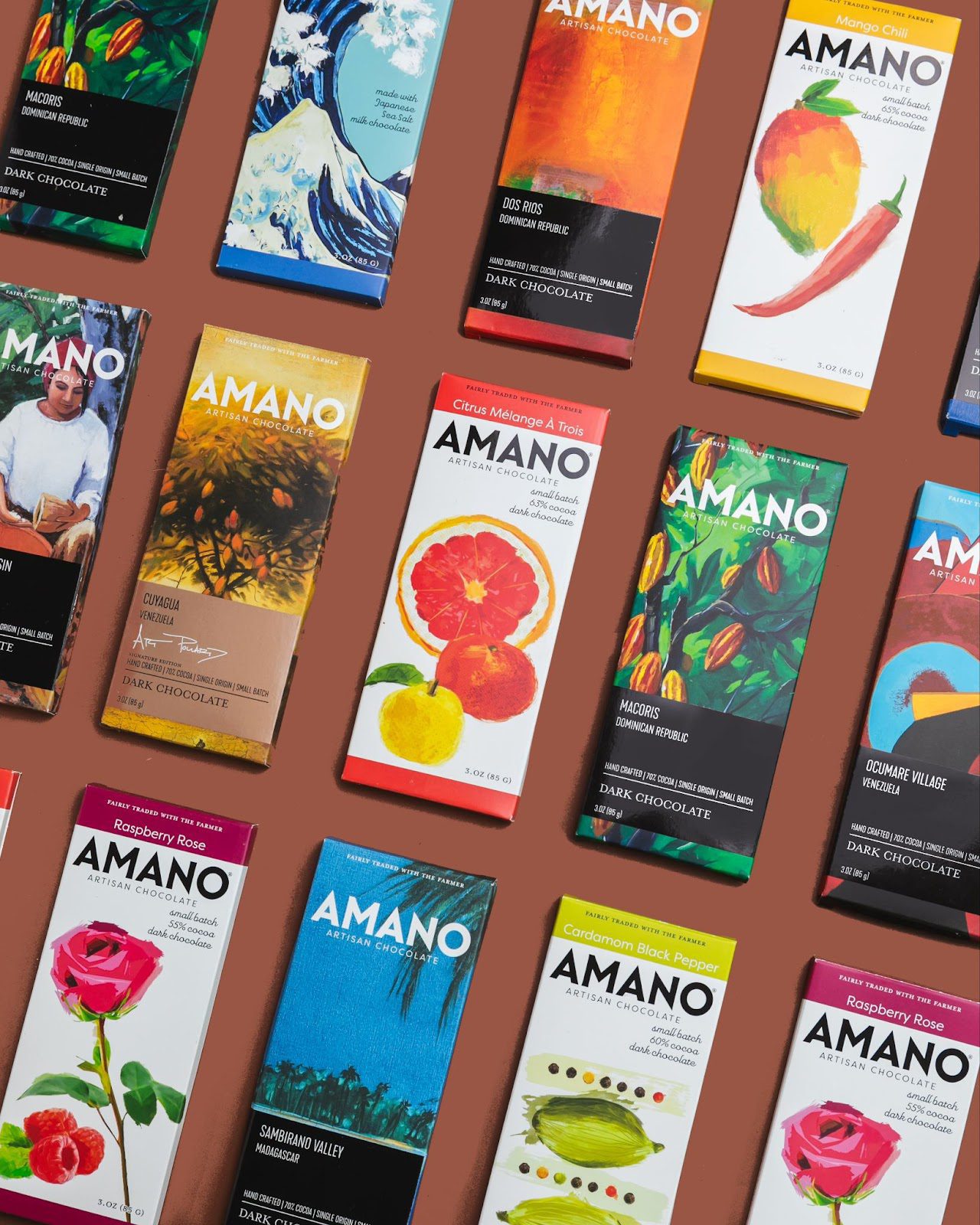
Assorted Amano Artisan Chocolate bars with colorful packaging on a brown surface.

Pairing artisan chocolate with fine wine transforms flavor into an experience. When you choose chocolate made with care, you elevate every sip and every bite. Amano Chocolate offers award-winning, single-origin bars crafted to reveal the full depth of cacao.

As food writer and chocolate sommelier Estelle Tracy explains,

“I’m a big fan of pairing Amano Chocolate bars with wine for two reasons. Wine pairs well with fatty foods, and since Amano Chocolate has a good amount of cocoa butter content, I find the bars work beautifully with wine. When a chocolate doesn’t have enough cocoa butter, it feels dry and pasty in the mouth with wine. Amano also does a great job evenly distributing inclusions in their bars, so every square has the perfect amount of flavor — ideal for sharing during a pairing. I love pairing Amano’s Raspberry Rose with Pinot Noir and the Citrus Mélange à Trois with sparkling or white wines.”

Each bar pairs beautifully with thoughtfully selected wines, making Amano the perfect choice for your next tasting or an unforgettable gift. Taste the difference. Experience true chocolate with our collection.

Beyond Milk and Dark: Exploring the Range of Artisanal Chocolate Flavors

Assorted desserts with chocolate, strawberries, and nuts on a wooden table.

Most people think of chocolate as being divided into milk and dark. These familiar varieties fill grocery aisles, gift baskets, and vending machines. While they offer comfort and nostalgia, they barely begin to represent what chocolate truly offers. 

The vast majority of commercial chocolate focuses on consistency and sweetness, often at the expense of flavor complexity, transparency, and craftsmanship.

Artisan chocolate reveals a much wider and richer world — one rooted in origin, shaped by process, and elevated through skill. When chocolate makers work with high-quality, ethically sourced cacao, they uncover flavor notes that surprise and delight. 

You might taste vibrant citrus, red berries, toasted nuts, or fragrant florals. Some bars introduce subtle spice, hints of tobacco, or even a whisper of earthiness. 

These flavors don’t come from added extracts or synthetic enhancements. They develop naturally through the terroir of the growing region, the fermentation process, and the maker’s choices at every stage — from roasting and grinding to conching and molding.

Craft chocolate invites you to slow down and taste with purpose. It challenges the idea that chocolate is a one-note indulgence and instead celebrates it as a food with nuance, depth, and story. Each bar offers a glimpse into the place it came from and the people who brought it to life.

In this blog, you’ll explore the incredible range of flavors found in bean-to-bar chocolate. You’ll learn how origin, technique, and creativity shape the final product. Whether you’re curious about single-origin bars, eager to try bold inclusions, or ready to refine your tasting skills, this guide will help you move beyond milk and dark and discover the true potential of chocolate.

Understanding the flavor spectrum

Artisan chocolate offers a flavor spectrum that surprises even the most seasoned chocolate lovers. Unlike industrial chocolate, which often focuses on sweetness and consistency, small-batch chocolate celebrates variety, nuance, and complexity. Every bean carries its own identity, shaped by nature and refined through skilled craftsmanship. 

Flavor wheels

With one bite, you might taste bright berries, roasted nuts, fragrant florals, warming spices, or deep, earthy undertones — all without any added flavoring or artificial ingredients.

Chocolate makers and enthusiasts often use flavor wheels to help explain these flavor variations. These tools, similar to those used in wine and coffee tasting, categorize the wide range of natural flavor notes found in cacao. 

Fruity tones may bring to mind raspberry, citrus zest, or tropical mango. Floral notes might echo jasmine, violet, or chamomile. Nutty profiles could suggest toasted almonds, hazelnuts, or even peanut butter. 

Some chocolates lean toward earthy or savory elements like tobacco, mushroom, leather, or wood. Each note emerges from the bean itself, shaped by the soil where it grew and the careful steps taken to preserve its character.

Terroir — not simply for coffee or wine

Terroir plays a central role in defining chocolate’s flavor. The environment where cacao grows — soil composition, rainfall patterns, altitude, temperature, and surrounding vegetation — all contribute to how the bean matures. A tree growing in the lush hills of Madagascar produces cacao with entirely different qualities than one planted in the mountains of Peru. 

Farmers influence the final flavor through their fermentation and drying practices, which unlock or enhance specific notes. Once the beans reach the chocolate maker, roasting choices add another layer of influence. Light roasts may preserve floral and fruity notes, while darker roasts can amplify caramelized, nutty, or bold earthy flavors.

Percentage is important

While many people focus on cacao percentage, origin plays a more critical role in determining taste. A 70% bar made with Madagascan cacao can taste sharp, tangy, and citrusy, while a 70% bar from Venezuela may offer a completely different experience, with deep, wine-like richness, gentle spice, and a long, smooth finish. 

The percentage tells you how much cacao is in the bar, but origin reveals the bean’s soul.

When you explore chocolate through the lens of flavor, you move beyond sweetness. You begin to understand how geography, farming, and artistry create a sensory experience unlike anything else. Every bar becomes a story, and every bite invites you to discover the diverse, expressive world of real chocolate.

Single-origin bars: A taste of place

Chocolate blocks, cocoa powder, vanilla beans, and mint on a wooden board.

Single-origin chocolate invites you to experience cacao as a product of place. Rather than blending beans from multiple regions, chocolate makers focus on a single geographic location —  sometimes even a single farm or cooperative. 

This approach preserves the unique flavor profile of the cacao and allows the chocolate to express the soil, climate, and culture of its origin. When you bite into a single-origin bar, you taste a distinct landscape, a harvest, and a story that begins with the land and ends with the maker’s touch.

Cacao absorbs the character of its environment. Soil composition, altitude, weather patterns, and surrounding flora all play a role in shaping flavor. Rainfall influences sweetness and acidity. Sun exposure affects how quickly beans mature. Even the type of trees that grow nearby can subtly influence the final taste of the cacao. 

Makers who understand these conditions craft their process to bring those nuances forward, highlighting what makes that region’s beans truly special.

Every step of the chocolate-making process aims to preserve the bean’s identity. Fermentation helps develop its natural acidity or roundness. Roasting draws out bright or bold notes depending on the origin. Grinding and conching refine the texture and bring the flavor into balance. 

By tailoring each phase of production to suit a single bean, chocolate makers bring clarity and expression to the final product.

The differences between origins are often dramatic. Cacao from Madagascar often bursts with tart red berries, lemon zest, and subtle florals to taste bright, vibrant, and tangy. 

Venezuelan beans lean dark and luxurious with notes of dried fruit, warm spice, and rich cocoa. Ecuadorian cacao might taste earthy and bold, with touches of wildflower or wood smoke. Peruvian beans frequently showcase a nutty, creamy profile with soft sweetness and gentle acidity. 

None of these flavors comes from additives. They live in the bean, waiting for the right maker to unlock them.

Single-origin chocolate rewards curiosity. It challenges your palate and opens the door to deeper appreciation. You don’t need to travel to tropical farms to experience global flavor — each bar offers a passport to a different origin. By tasting across regions, you begin to recognize the diversity within cacao and the artistry required to honor it.

When you choose single-origin chocolate, you support traceability, sustainability, and the preservation of cacao diversity. More than that, you choose to taste chocolate as nature intended — authentic, unblended, and rich with the voice of its place.

Inclusion bars: Where craft meets creativity

Inclusion bars take chocolate beyond the familiar and turn it into a playground for flavor, texture, and imagination. Instead of relying solely on the natural profile of the cacao, makers introduce complementary ingredients to add contrast, enhance complexity, or spark curiosity. 

These additions might include sea salt, chili, herbs, spices, nuts, coffee, or dried fruit — each selected with intention and contributing something unique to the final bite.

Artisan chocolatiers don’t add inclusions solely for novelty. They treat the chocolate as the centerpiece and use the inclusions to highlight and deepen its existing flavor profile. 

The best pairings don’t overpower the cacao; they enhance it, amplify its character, or draw out subtle notes that might otherwise go unnoticed. Every ingredient must earn its place, and skilled makers know how to strike the perfect balance between boldness and harmony.

For example, sea salt doesn’t simply add a salty kick. It sharpens the cacao’s natural bitterness, intensifies sweetness, and brings out hidden layers of complexity. 

Chili introduces warmth that lingers at the edges, turning a dark chocolate bar into something that unfolds with heat and depth. Lavender adds an aromatic, floral softness that pairs beautifully with white or milk chocolate. Coffee grounds deepen roasted flavors, creating a rich, satisfying intensity that resonates on the palate. 

Nuts like hazelnuts, almonds, or pistachios provide contrast in both flavor and texture, while dried fruits such as cherries, figs, or orange peel introduce tartness, chewiness, and a hint of natural sweetness.

Some combinations take flavor exploration to another level. A bar that blends dark chocolate with pink peppercorns surprises with a pop of floral spice that dances across the tongue. A bar with caramelized almonds wrapped in smooth milk chocolate delivers a buttery crunch followed by a rich, velvety finish. 

Others might experiment with fennel, ginger, rosemary, or even aged cheese, offering a culinary experience that feels closer to fine dining than traditional snacking.

Inclusion bars speak to the creative spirit of artisan chocolate. They showcase a maker’s ability to think beyond the bean while still respecting its origins. These bars don’t aim to mask flaws or chase trends — they invite meaningful exploration. Each pairing tells a story, often one that blends cultural influences, seasonal ingredients, and the personal tastes of the maker.

When you reach for an inclusion bar, you choose adventure. You taste a conversation between cacao and companion flavors. You support a philosophy that values curiosity, precision, and bold expression. Inclusion bars remind us that chocolate is more than a treat — it is an evolving, edible art form that continues to surprise and inspire with every bite.

White chocolate reimagined

Assorted chocolate bars with nuts, berries, and star anise on a wooden board.

Many people assume white chocolate lacks flavor or depth. That belief usually stems from tasting overly processed versions packed with sugar and artificial ingredients. When chocolate makers craft white chocolate with care, they reveal a rich, complex, and satisfying experience.

Skilled artisans start with real cocoa butter, the golden fat extracted from the cacao bean. They blend it with sugar and milk solids to create a creamy, smooth base that melts effortlessly on the tongue. Although white chocolate doesn’t include cacao solids, it still reflects the ingredients’ quality and the process’s precision.

Artisan makers often use white chocolate as a creative foundation. They add real vanilla bean to introduce warm, floral notes with a hint of smokiness. Some experiment with cardamom to bring in soft spice or caramelized milk solids to deepen the flavor with a nutty, toffee-like richness. These subtle additions build complexity without overshadowing the cocoa butter’s natural elegance.

When you taste high-quality white chocolate, you discover more than sweetness. You feel the texture shift as it melts. You notice how the flavors develop and linger. Every bite invites you to slow down and appreciate the craftsmanship behind it.

By choosing white chocolate made with intention, you unlock its full potential. You experience how simplicity, when treated with respect, creates something truly memorable. In the hands of an artisan, white chocolate earns its place alongside dark and milk as a form of true culinary expression.

Rare and experimental bars

Rare and experimental chocolate bars redefine what chocolate can be. Artisan makers create these one-of-a-kind bars using limited-edition cacao and bold, unexpected ingredients. These creations break from tradition and invite you to taste chocolate in new, exciting ways.

Makers often start with micro-lot cacao from a single farm or harvest. These beans come in small quantities and offer unique, seasonally influenced flavor profiles. Makers roast, grind, and conch these rare beans with extreme precision to capture their full character. Each micro-lot bar becomes a time capsule of flavor, complex, fleeting, and deeply personal.

Experimental bars take creativity even further. Some makers infuse chocolate with ingredients like blue cheese, matcha, or fermented fruit. These bold inclusions introduce flavors that contrast and interact with the cacao’s richness. 

A bar infused with blue cheese might offer a savory, creamy finish that plays against deep cocoa tones. Matcha adds grassy, umami complexity, and fermented fruit brings tang, depth, and natural sweetness.

Craftsmanship holds everything together. Makers must balance intensity, texture, and flavor to ensure each bite feels intentional. They fine-tune roasting profiles, adjust sugar content, and manage conching time to let both the chocolate and inclusions shine. Every decision reflects a deep understanding of flavor and a willingness to take risks.

When you taste a rare or experimental bar, you experience more than chocolate. You encounter an edible expression of innovation. You support a maker who values creativity as much as quality. These bars don’t follow rules — they rewrite them. And in doing so, they remind us why craft chocolate continues to surprise and inspire.

How to taste chocolate like a connoisseur

Tasting artisan chocolate requires more than a quick bite. To fully appreciate the craftsmanship and complexity behind each bar, you need to slow down and engage your senses with intention. When you taste with focus, you unlock a deeper, richer experience.

Start by examining the chocolate. Look closely at the surface. A well-made bar will appear smooth and glossy, with no bubbles or cracks. This shine signals proper tempering and attention to detail.

Bring the chocolate to your nose and inhale. Let the aroma guide you. Pick up on the scents — perhaps citrus, nuts, spice, earth, or floral tones. Smelling the chocolate sets the stage for the flavors you’ll soon taste.

Break off a piece and listen. A clean, crisp snap signals quality and a well-executed temper. This sound confirms the chocolate has the right structure and texture.

Place the piece on your tongue and let it melt slowly. Resist the urge to chew. Allow the chocolate to warm up and dissolve naturally. Pay attention to how the texture feels and how the flavors unfold. You might first notice sweetness, followed by layers of fruit, spice, earthiness, or even floral notes. Let each phase of flavor settle in before moving on.

Compare chocolates from different origins to sharpen your palate. Taste a bar from Madagascar alongside one from Venezuela or Peru. Notice how one might feel bright and tangy, while another leans deep and velvety. These contrasts teach you how origin and processing influence taste.

Keep a tasting journal or create a flavor map. Record your observations, preferences, and the flavors you identify. Over time, you’ll build confidence and better understand what excites your palate.

Tasting chocolate like a connoisseur starts with curiosity. When you take the time to explore, you experience chocolate as a form of art — complex, layered, and deeply satisfying.

Delicious Artisan flavors from Amano Chocolate

Dark chocolate pieces, walnuts, and cocoa balls with bananas in the background.

When you want to experience chocolate at its finest, turn to makers who respect the bean and elevate the craft. Amano Chocolate leads with intention, sourcing exceptional cacao from the world’s most unique regions and transforming it through small-batch techniques that preserve flavor, character, and soul. 

Whether you crave the tart brightness of Madagascar cacao or the deep, velvety richness of Venezuela, Amano offers bars that speak directly to the essence of the place.

Explore Amano’s collection if you’re ready to go beyond milk and dark. Taste rare origins, enjoy bold inclusions, and discover what happens when creativity meets uncompromising quality. With Amano, every bite becomes an invitation to savor something real and extraordinary.

How to Taste Chocolate with the Chocolate Flavor Wheel

The Chocolate Flavor Wheel shows the different variation of chocolate flavors.

As a chocolate aficionado, it’s important to understand the nuances of different chocolate flavors. Just like wine, chocolate has a complex array of flavors that can be appreciated and distinguished through a tasting process. On the reverse side of each of our products, we have included specific chocolate tasting notes to help individuals enjoy the best possible tasting experience for our different chocolate bar flavors.

The chocolate flavor wheel stands as a visual tool used to identify and describe the various flavor profiles found in chocolate. The chocolate flavor wheel is an essential guide for any chocolate connoisseur or enthusiast looking to enhance their tasting experience no matter the different chocolate bar flavors. Take a look at the Chocolate Flavor Wheel provided to us by Chocolopolis.

The Chocolate Flavor Wheel shows the different variation of chocolate flavors.

The Chocolate Flavor Wheel


The chocolate flavor wheel is divided into categories such as fruity chocolate, nutty chocolate, floral chocolate, savory chocolate, earthy chocolate, caramel chocolate, dairy chocolate, and spicy chocolate, which are further broken down into specific flavor notes. By becoming familiar with these categories and notes, you can better identify and appreciate the unique flavors of different chocolates. For instance, a chocolate bar with fruity chocolate notes may have a taste of berries or citrus, while a chocolate with nutty notes may have a hint of almond or hazelnut.

Understanding the chocolate flavor wheel can also help you pair chocolate with other food and drink. By matching complementary flavors, you can experience new and exciting combinations and flavors.

The different parts of the chocolate flavor wheel


The chocolate flavor wheel is a tool used by chocolate makers to identify and describe the different flavor notes present in chocolate. It is divided into several categories, including fruity chocolate, floral chocolate, nutty, earthy chocolate, and spicy flavors. By using the chocolate flavor wheel, chocolate makers can create unique flavor profiles that appeal to a variety of palates.

How to properly taste chocolate using the chocolate flavor wheel


Start by smelling the chocolate first, as this will help you determine the level of sweetness, richness and other aromas. Next, break off a small piece and let it melt in your mouth. This will allow you to experience the flavor of the chocolate and determine the type of flavor profile it has. Pay close attention to the rich chocolate intensity, earthy, fruity notes, dairy flavors, caramel, floral and infused flavors that might be present. This will help you identify the different flavor combinations and appreciate chocolate’s complexity. Finally, take a few moments to savor the flavor and let the chocolate linger in your mouth. Doing this will help you understand the unique flavor of each and every chocolate. In order to help improve the chocolate tasting experience, we have included chocolate tasting notes on each of our chocolate bars. 

Infused chocolate versus artificial flavors


Infused chocolate has become increasingly popular due to its unique flavors and natural ingredients. Unlike artificial flavors, infused chocolate is made using real fruits, nuts, and spices, which are carefully blended to create a delicious and authentic taste. Infused chocolate provides a more complex flavor profile, as the natural ingredients work together to create a balanced taste for different chocolate bar flavors. Artificial flavors, on the other hand, are often made using synthetic chemicals that imitate the taste of real ingredients. While they may be cheaper and more convenient to produce, artificial flavors lack the depth and complexity of natural flavors found in infused chocolate. Overall, infused chocolate offers a more authentic and flavorful experience that cannot be replicated by artificial flavors.

Try it out!


The Chocolate Flavor Wheel is a great tool to help guide the chocolate tasting experience. By breaking down the chocolate bar flavors into distinct and recognizable parts, it allows the taster to appreciate the complexity of the chocolate. Understanding the nuances of the flavor wheel helps the taster to appreciate the natural depth of the different flavors. On each of our chocolate bars we have added specific chocolate tasting notes to help you experience our chocolate in the best way possible. Flavored chocolates can be the best way to experience chocolate in a new way.